VASUDHA
The Integrated Learning & Nature Education Space @ WAGHOLI
ORIGIN
eCoexist started work in WAGHOLI in 2025 with the women of the village. Wagholi is a village that only recently got absorbed into the Pune Municipal Corporation. Being at the edges of such a large city, its residents are facing rapid urbanisation without the infrastructure required to manage this change. Water scarcity, lack of waste management systems, traffic chaos are some of their problems. The village also now receives many migrant workers who come to work on the several construction projects. The children of these migrant workers are mal nourished, do not fit easily into the local culture and educational system as well.
ABOUT
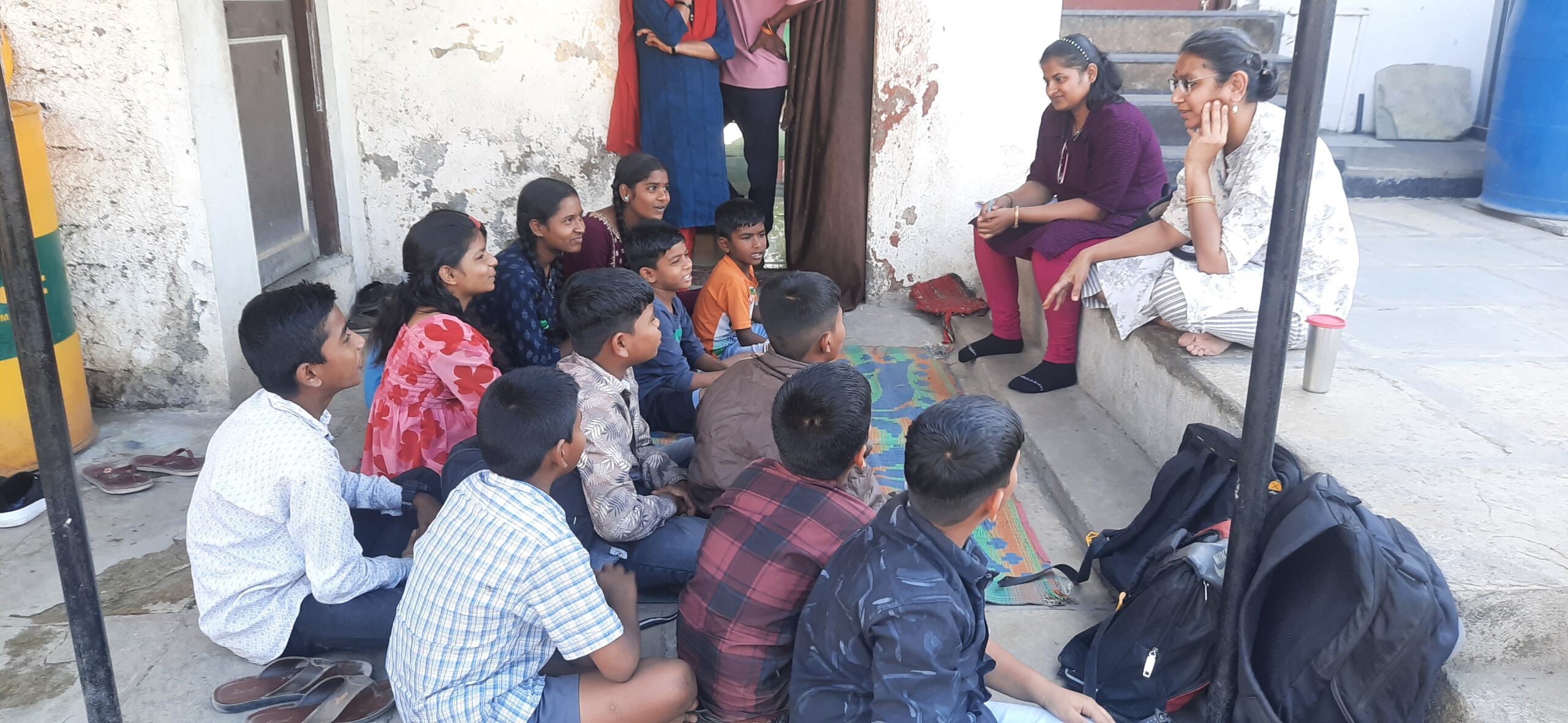
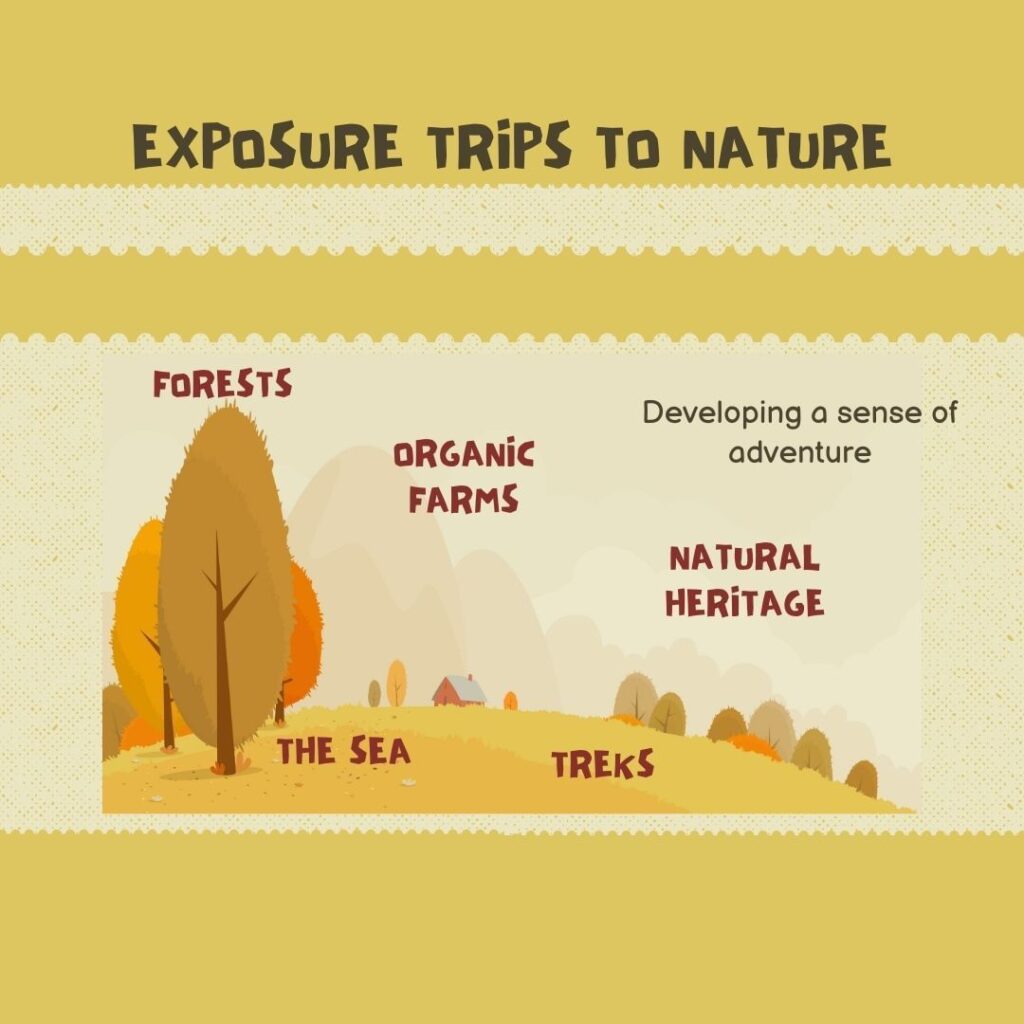
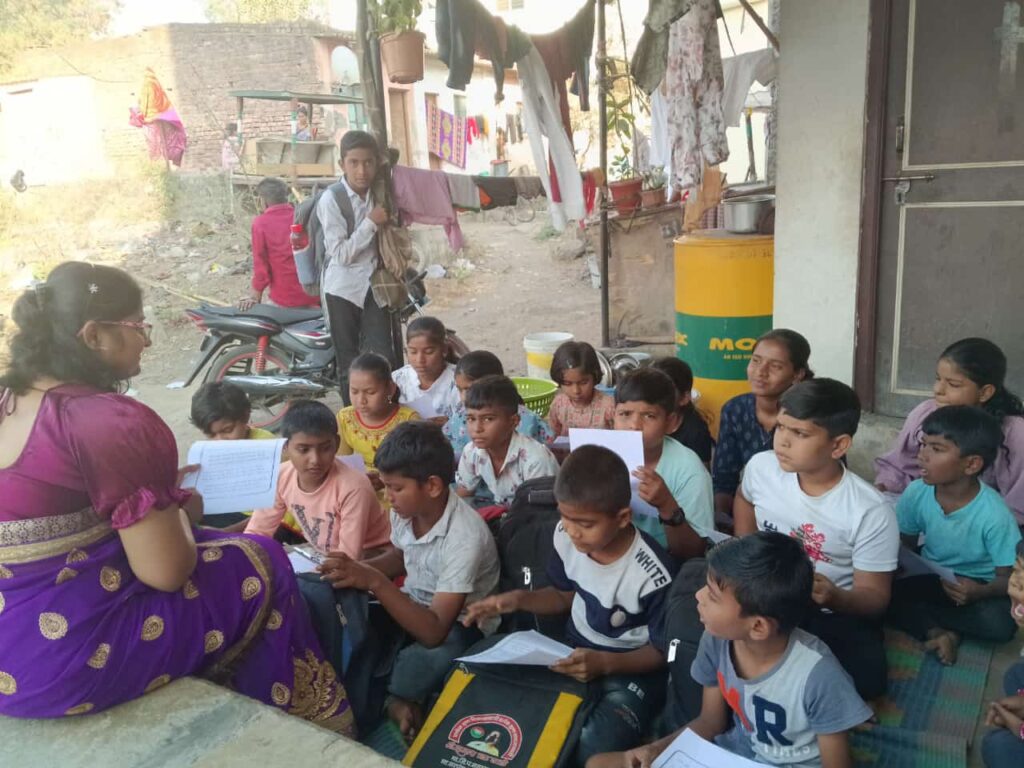
VASUDHA, meaning “Earth” in Sanskrit, is a Nature Space initiative dedicated to the children of Ahwalwadi. This program offers a unique opportunity for kids to spend two hours a week immersed in activities that foster a deep connection with nature. Through learning, playing, and singing, the children will explore the wonders of the natural world around them.
OUR MISSION
At VASUDHA, we believe that nurturing a love for nature from a young age is essential for fostering environmental stewardship. Our mission is to create a joyful and engaging space where children can develop an appreciation for the beauty and intricacies of the environment, while also enhancing their English language skills.
MEET THE TEAM
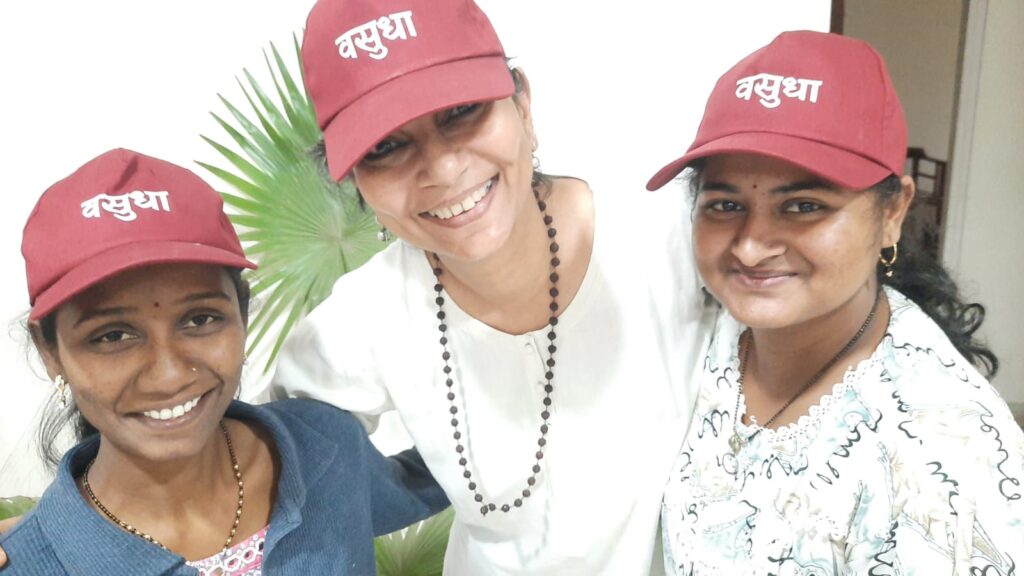
The VASUDHA team that works for the Wagholi kids ! Growing with love… with thanks to the support we recieve from all of you !
ACTIVITIES & CURRICULUM
YEAR 1 : 2025
The VASUDHA poem
The VASUDHA song is a poem written Sri Atal Bihari Vajpayee, and we start each class by singing it and discussing the values it encourages.
Introduction to meditation
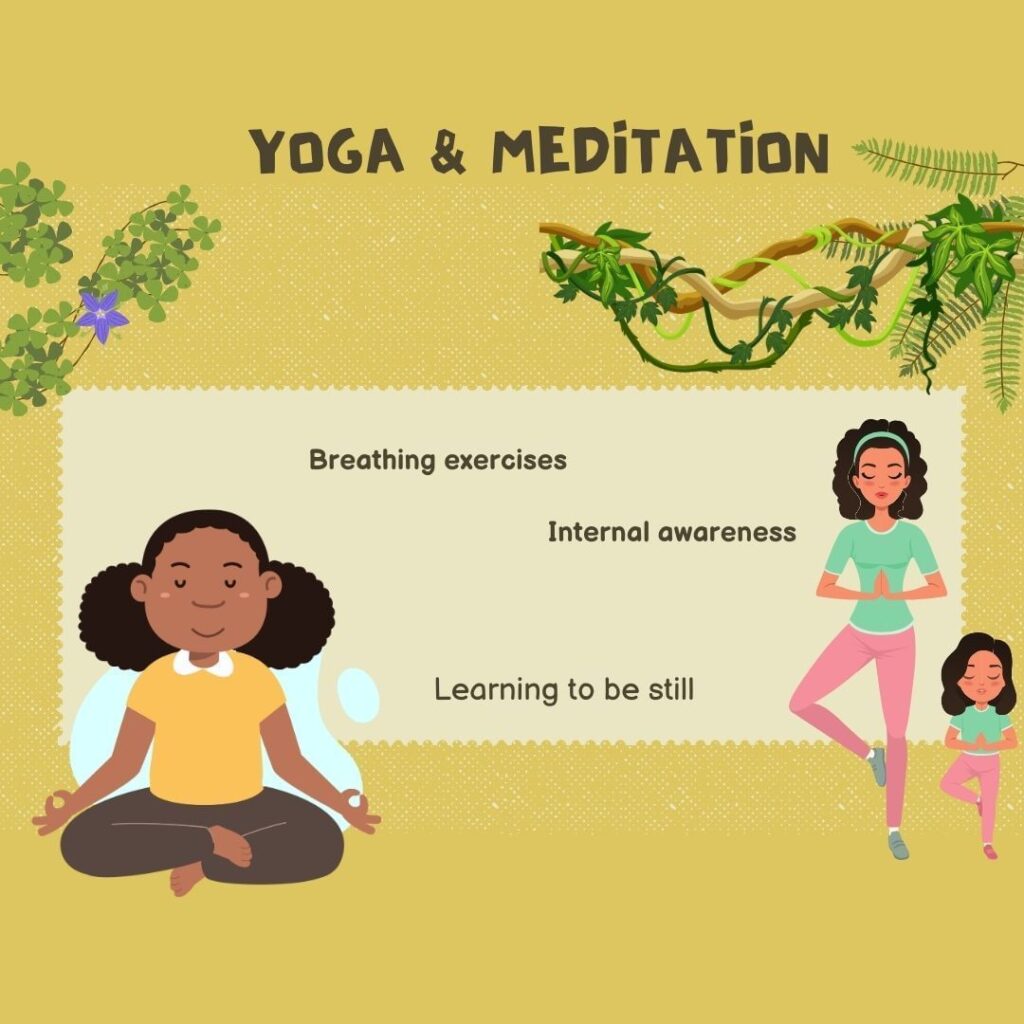
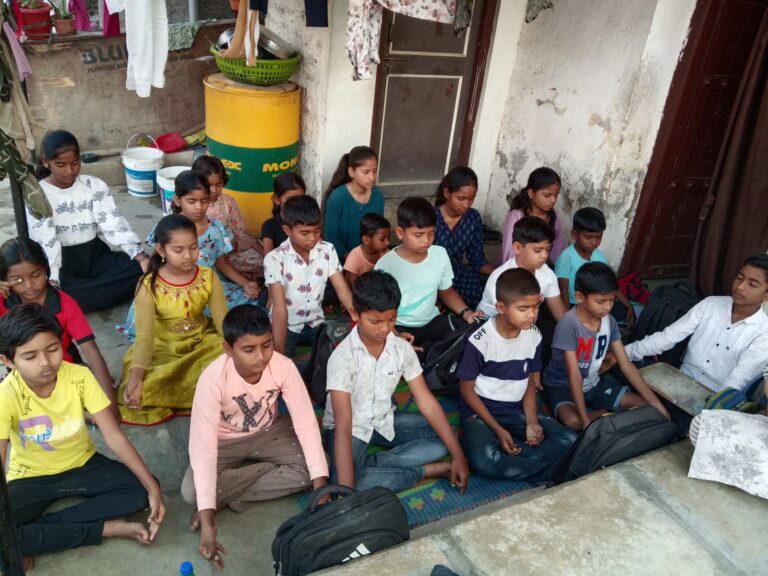
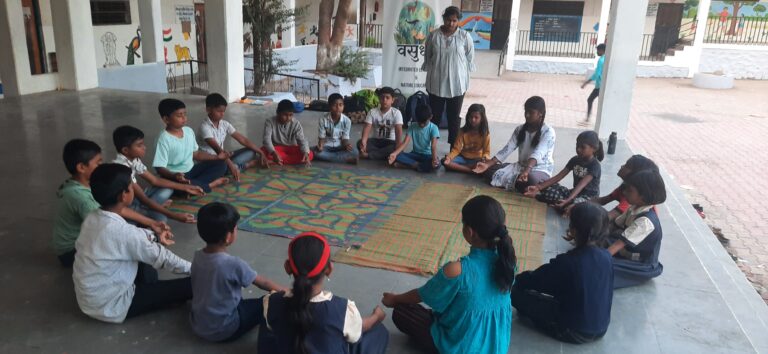
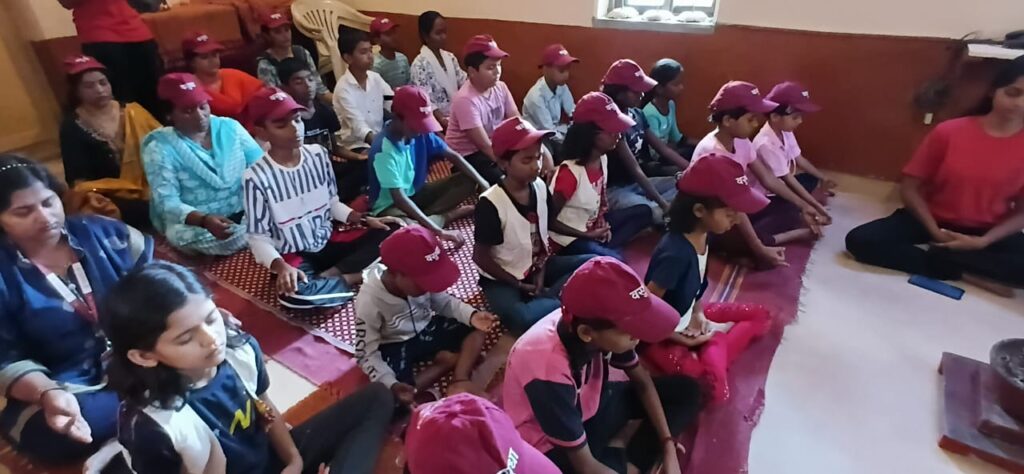
Meditation is a practise that forms the backbone of all Vasudha activities. Teaching the children to be still and to be comfortable with themselves is essential to helping them focus.
Introduction to oneself
Through games and conversations, the children explore how to introduce themselves beyond names and school education. They try to identify what they like and why; they introduce their friends and siblings to the group.
THE WAGHOLI ENVIRONMENT
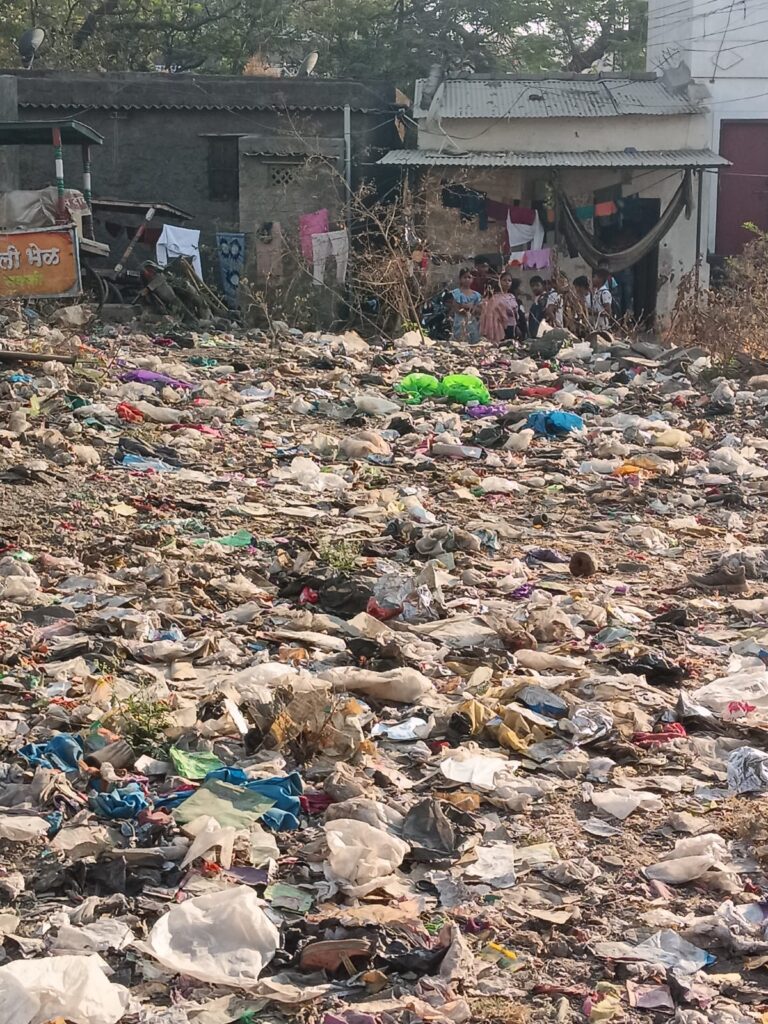
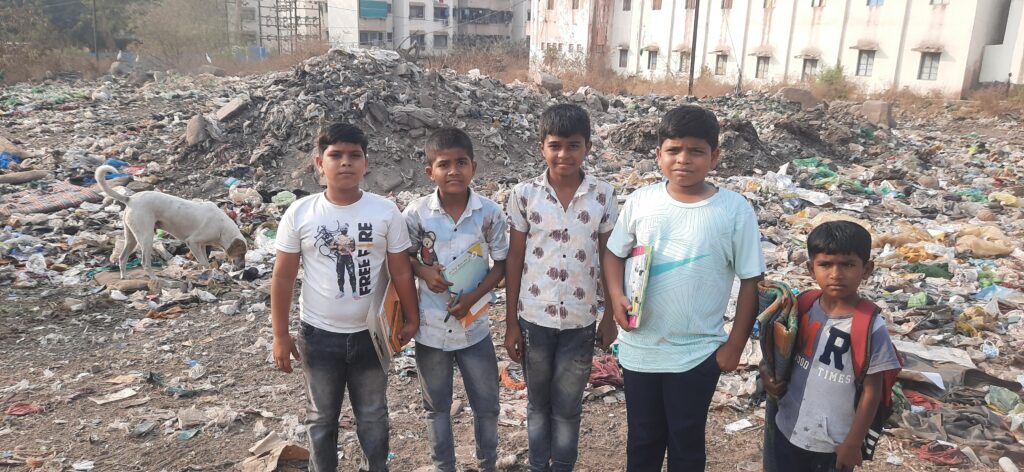
The first batch of students that we started working with in Wagholi are from a residential area that is right next to the garbage dump in Wagoli – the size of which is almost big enough to be a landfill. Their proximity to the waste has affected the childrens health directly and we immediately observed symptoms in the children. Since Wagholi has only recently been included in the Pune Municipal Corporation it still does not have the infrastructure to manage waste. We will gradually introduce seggregation at source and teach children about composting and other sustainable waste management solutions.
Introduction to Birds
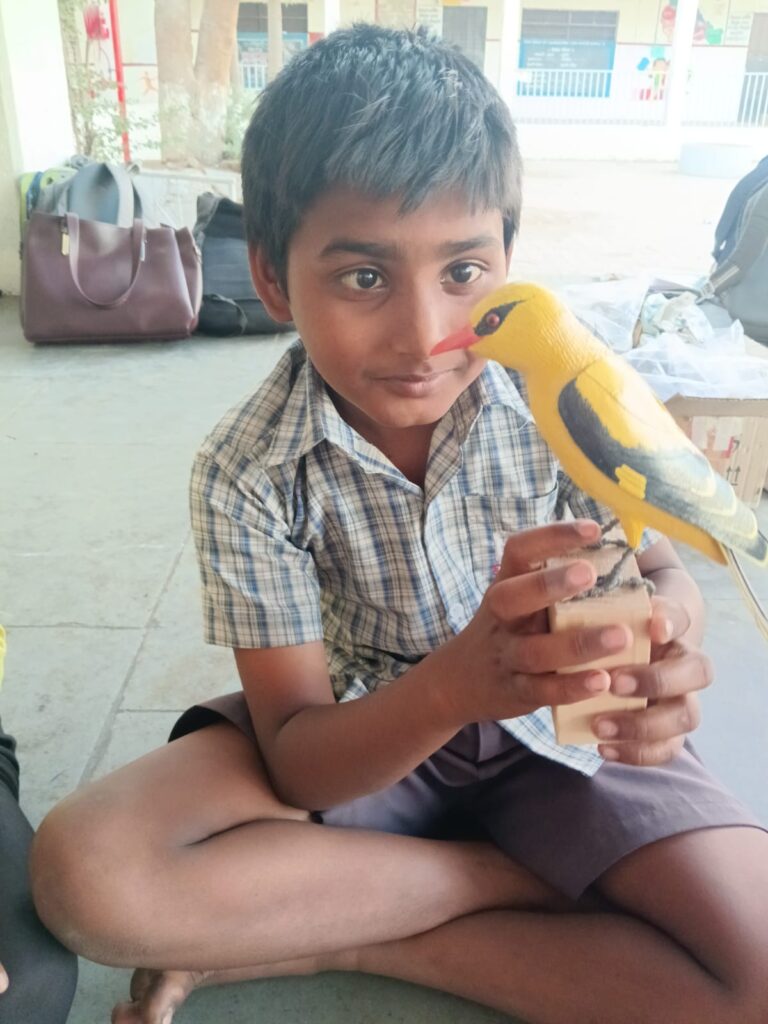
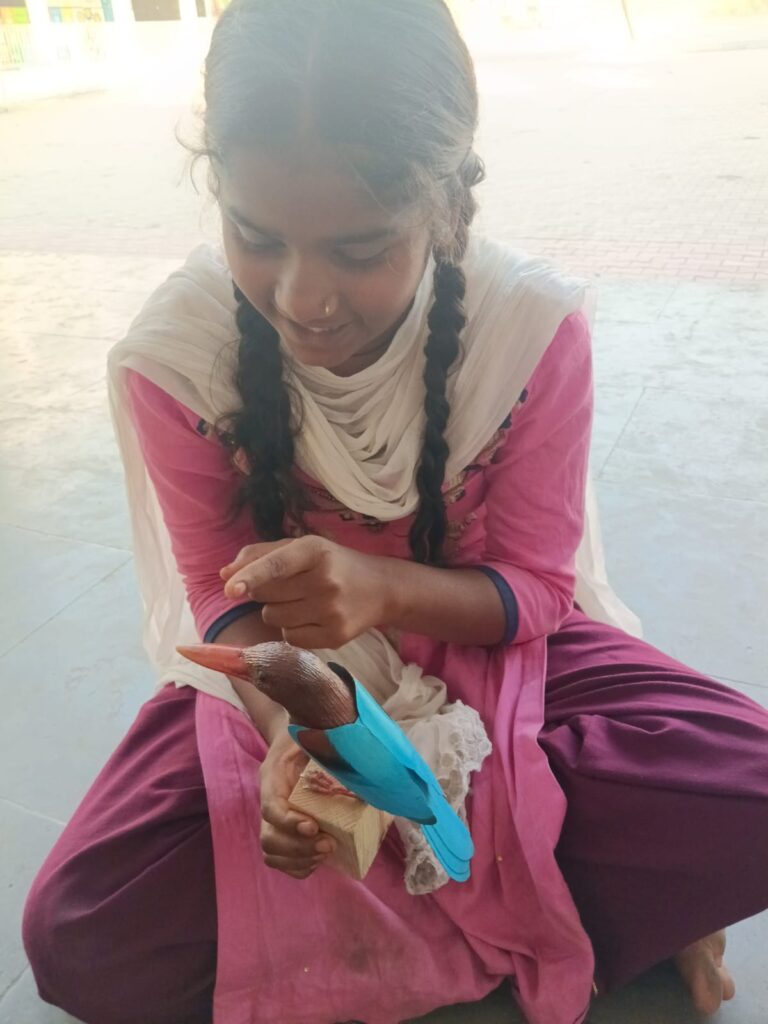
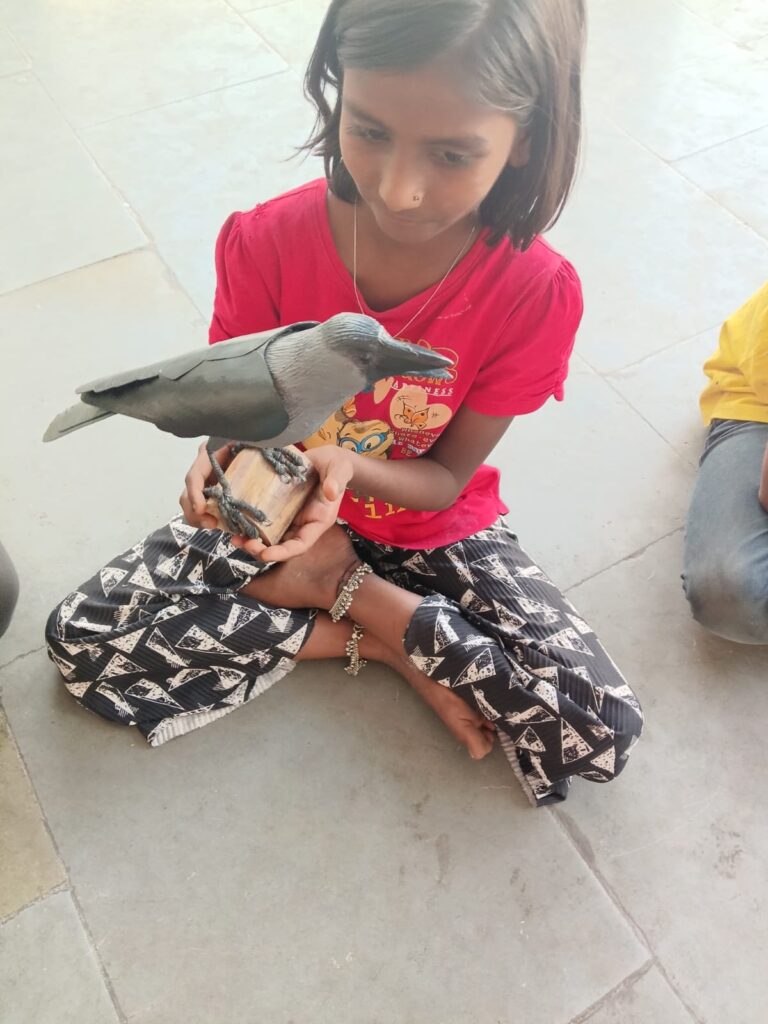
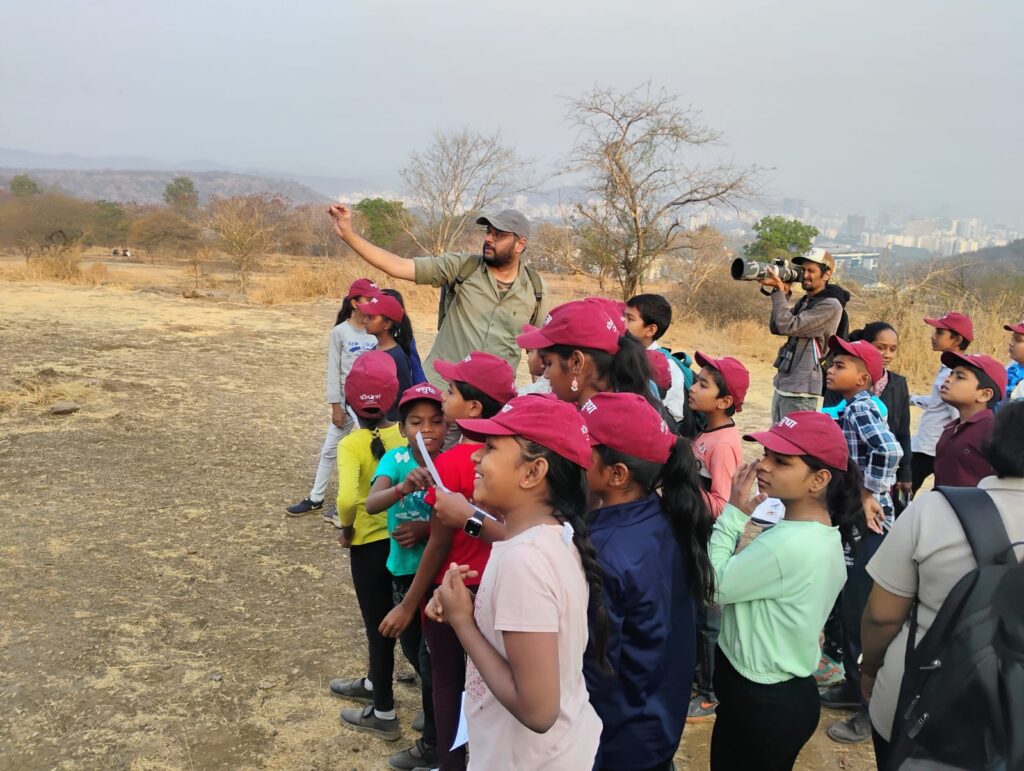
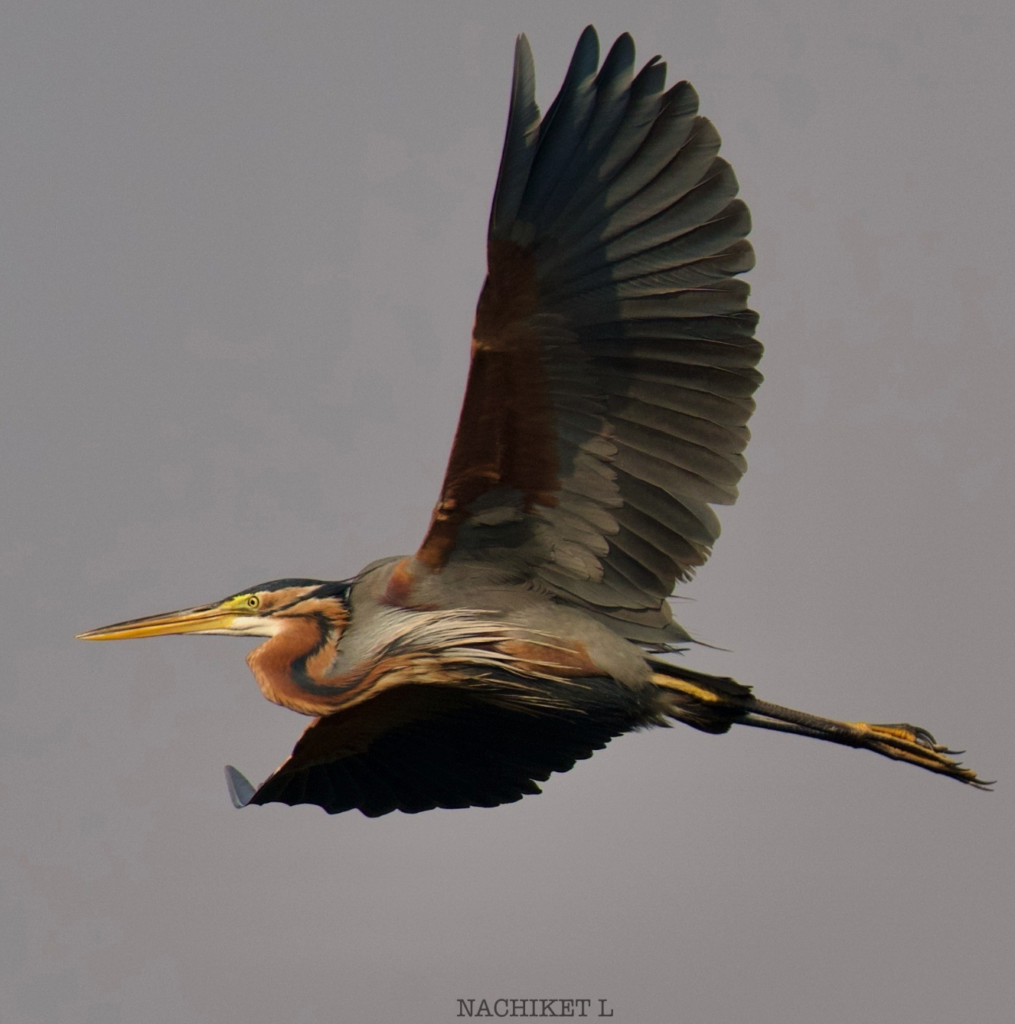
Using paper mache puppets we introduced the children to some common birds of Pune. Discussing how to identify birds through size, colour, bird calls and flight patterns we prepared them for their first outdoor Nature excursion the following weekend.
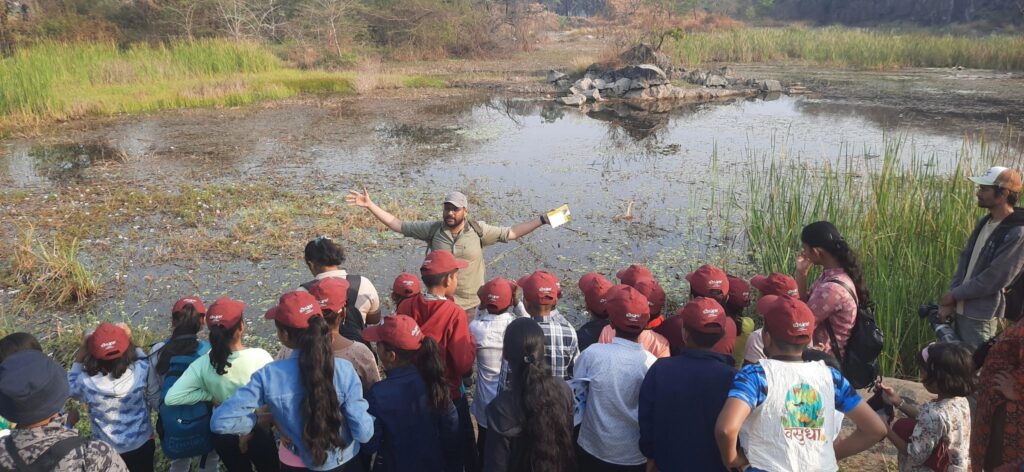
Bird Watching at Vetal Tekdi
Plants and People @ RRBCEA
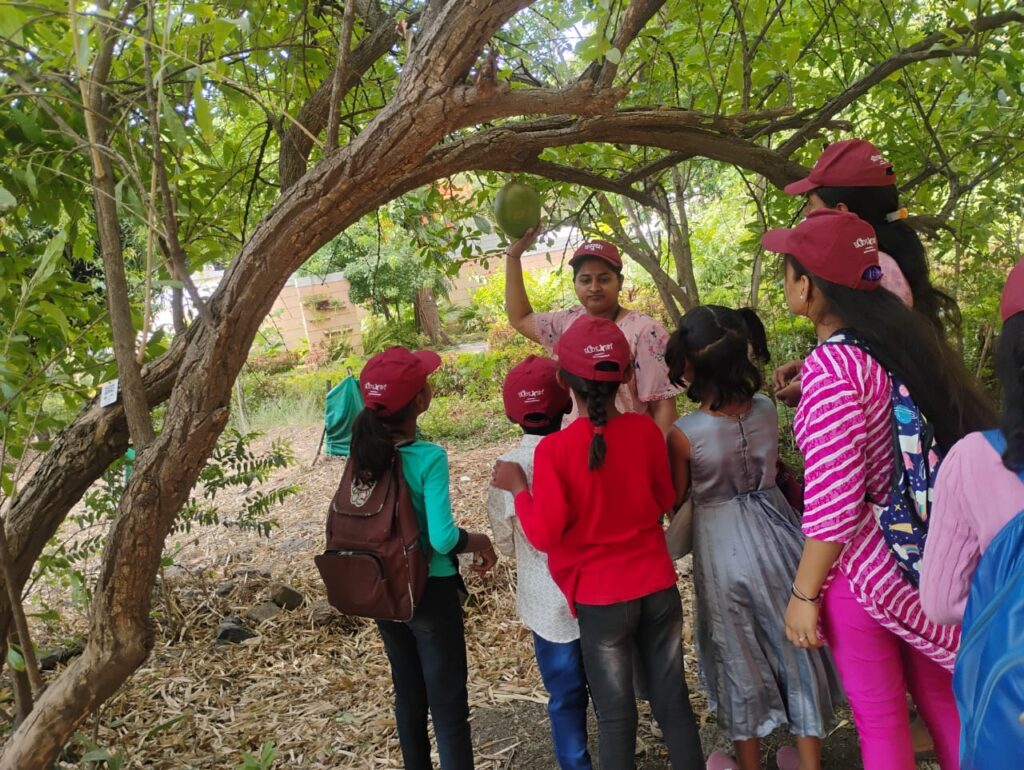
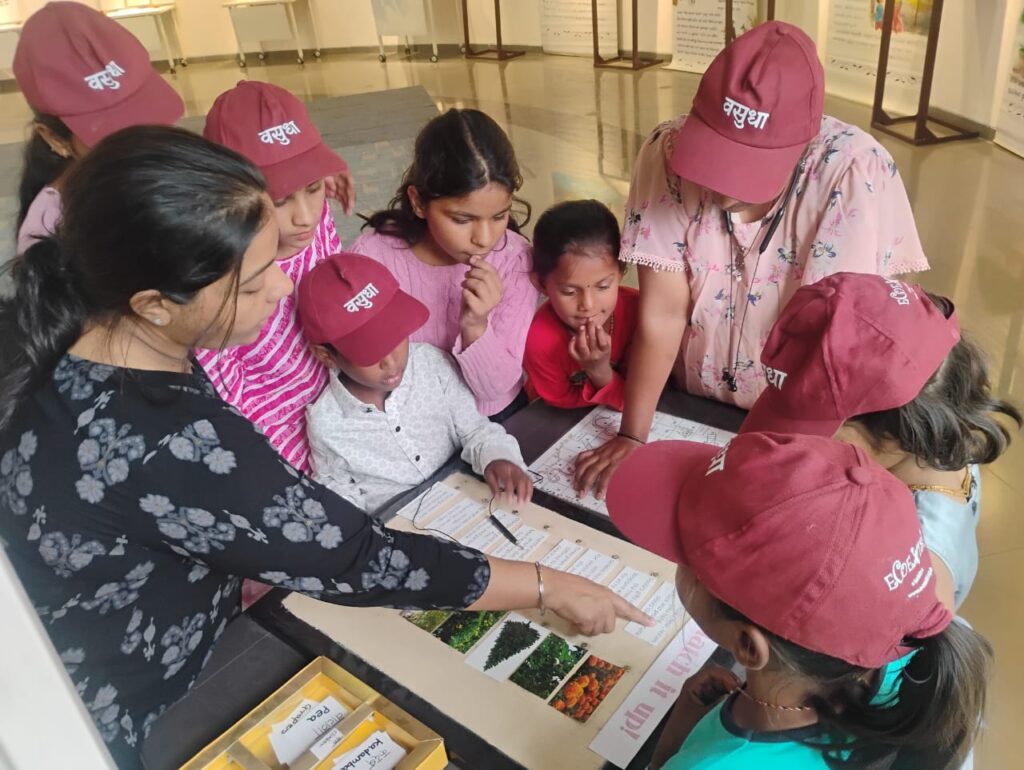
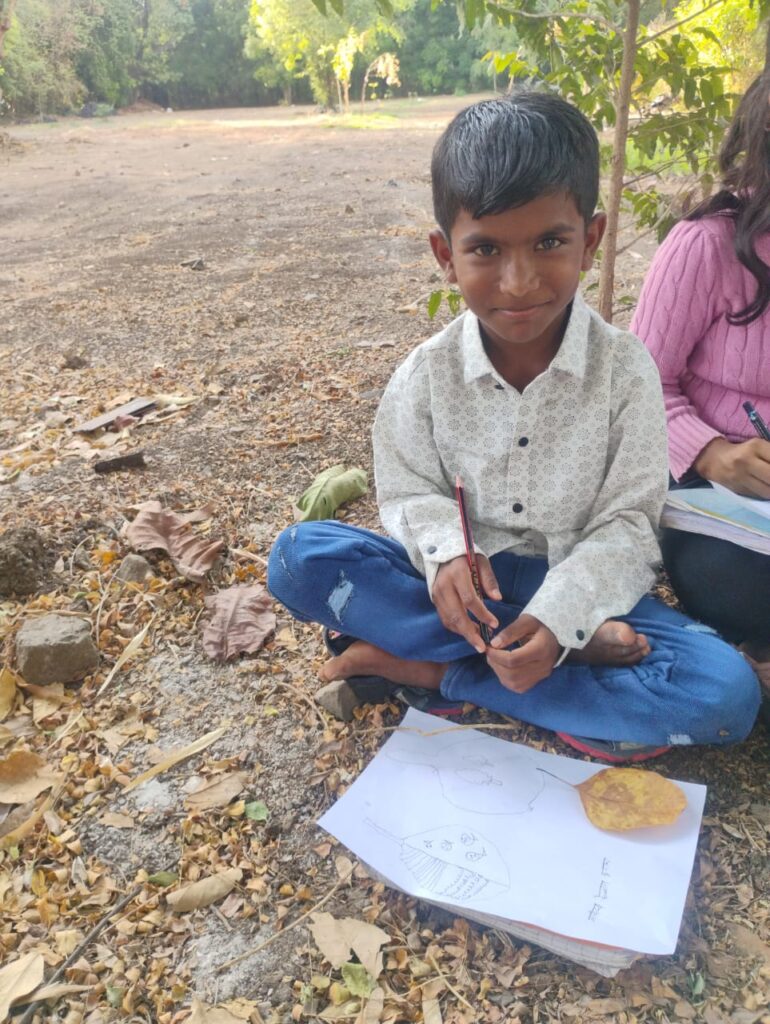
The Rupa Rahul Bajaj Center for Environment and Arts, hosted an exhibition titles People and Plants which introduced visitors to various plants in Pune region and their properties. Children learnt a lot about the topic through various exhibits and games that the RRBCEA team led them in. Additionally they went on a tree walk in the Empress Garden where they were told about old growth trees. Each child was asked to draw a speicifc leaf that picked up from the ground.
Introduction to Classical Music
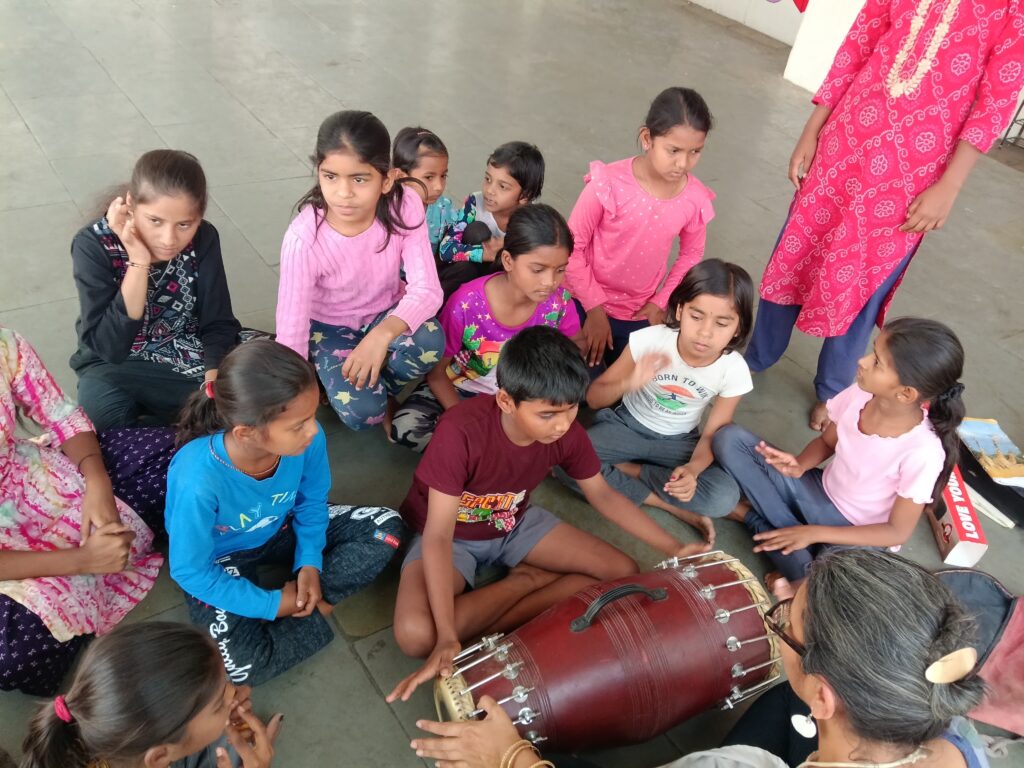
For kids who only know Indian music through loudspeakers DJs and YouTube.. we were delighted to host a session with Yashoda Joshi Yashoda Joshi …granddaughter of Bhimsen Joshi. She introduced them to his legacy told stories from the story book written by Mandar Karanjkar Mandar Karanjkar and Dakshayani Athalye Dakshayani Athalye founders of the Baithak Foundation.
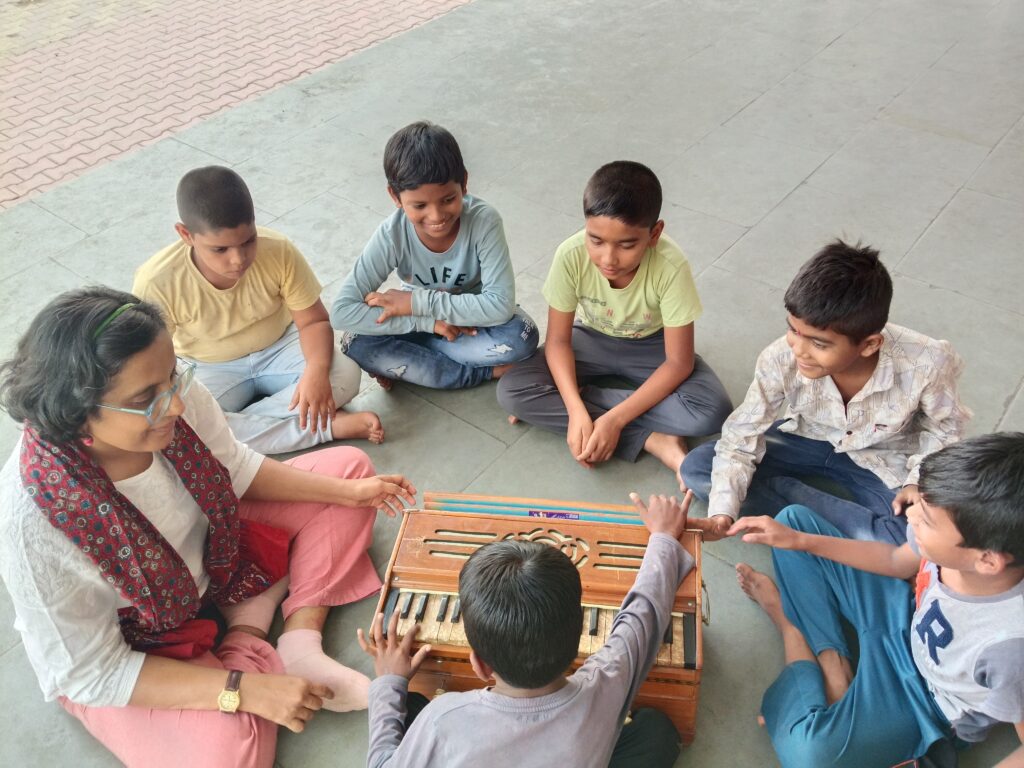
Learning to focus, to listen, to recognize and filter sound..the kids also played with a harmonium and dholak that we carried for them.
Spoken English exercises
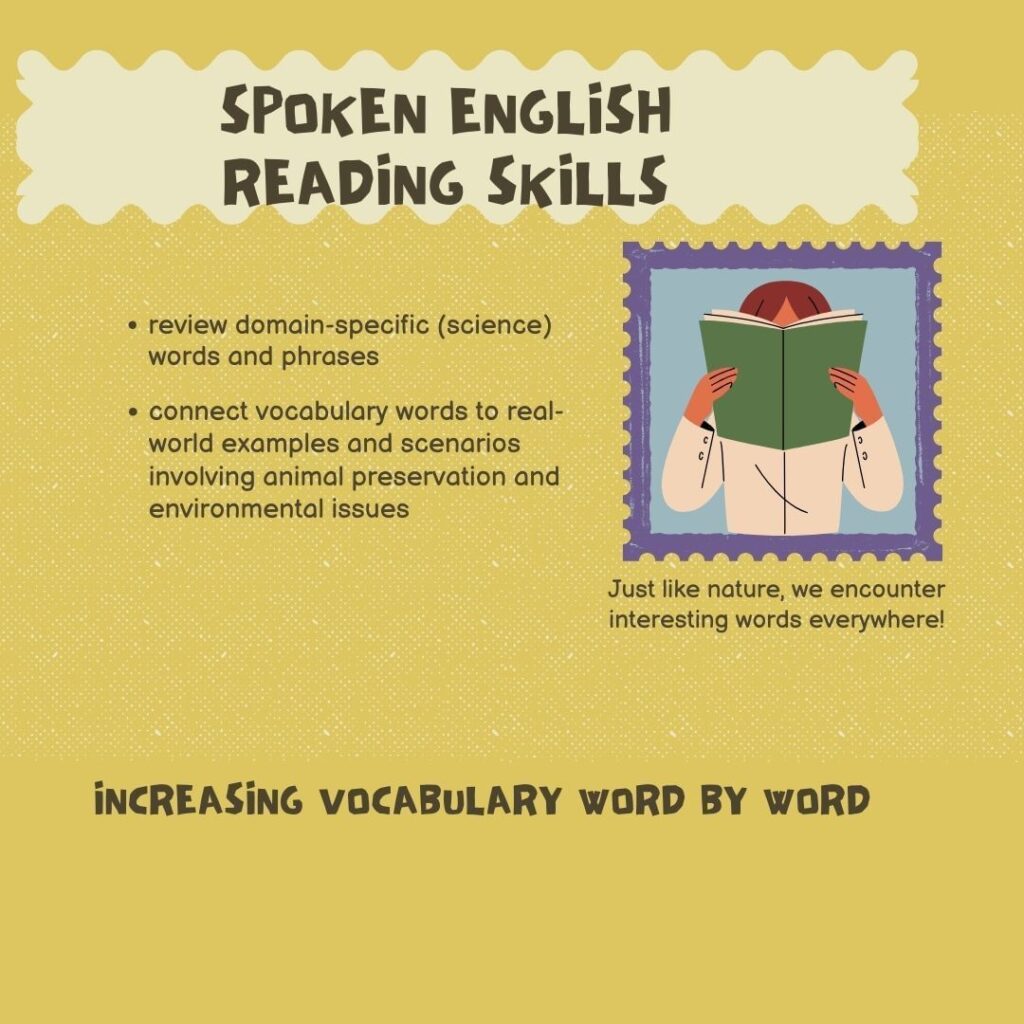
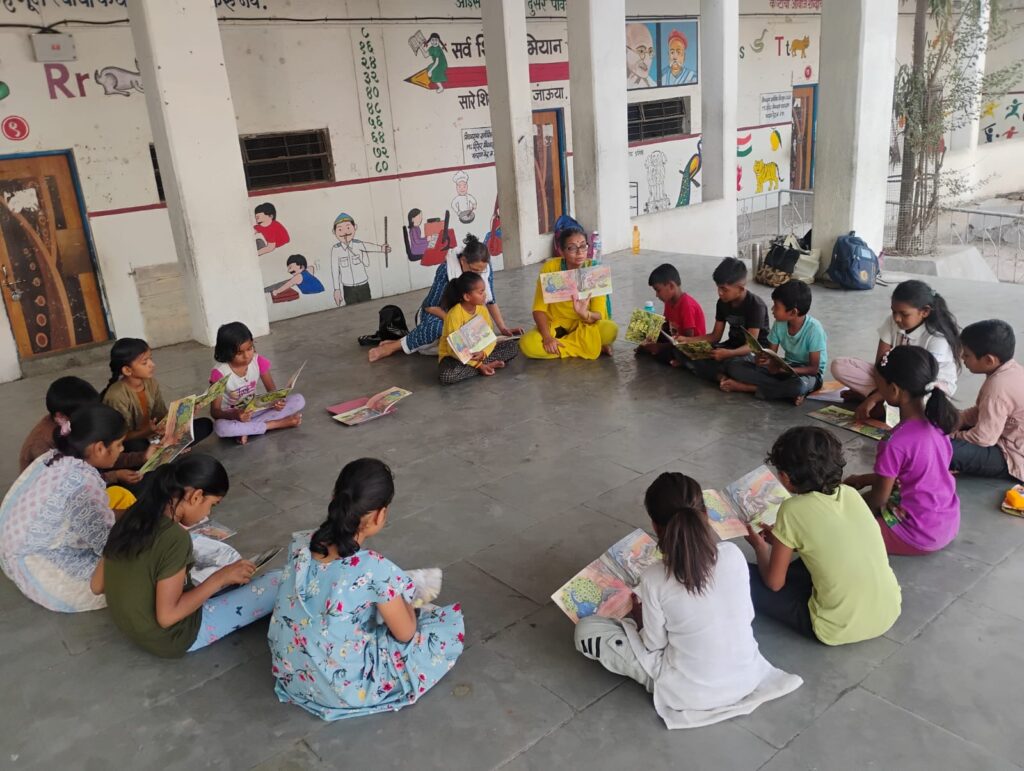
While spoken English continues to be one of the major challenges that rural and semi urban populations face in education, it creates a pressure and a fear amongst children. To make it fun for the kids to learn English we introduce it with games play and storytelling.
Po the Pangolin: Storytelling
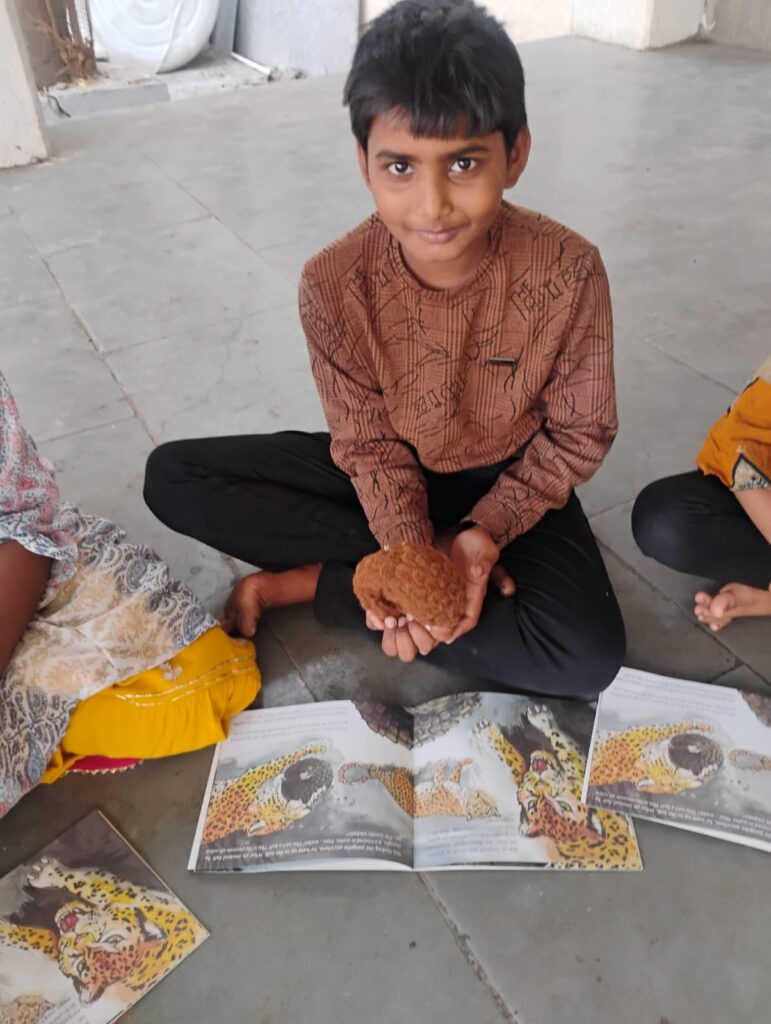
Vasudha has been foccusing on the story books written and published by the Kalpavriksh Environment Action Group as study tools to teach the children English while at the same time introducing to them topics of Nature education. Po the Pangolin, written by author Sharmila Deo is all about a pangoli, an animal that not many children are familiar with but which is now on the endangered species list.
Physical games and activity
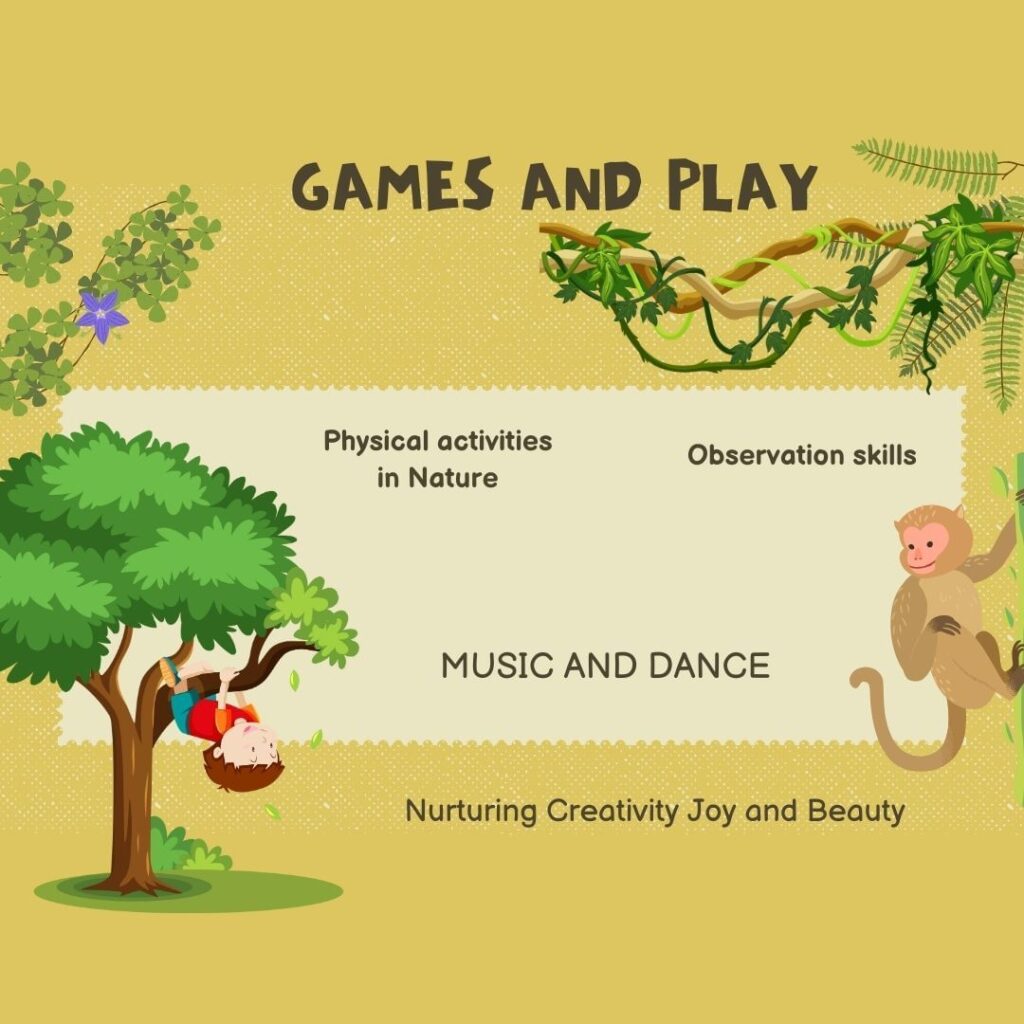
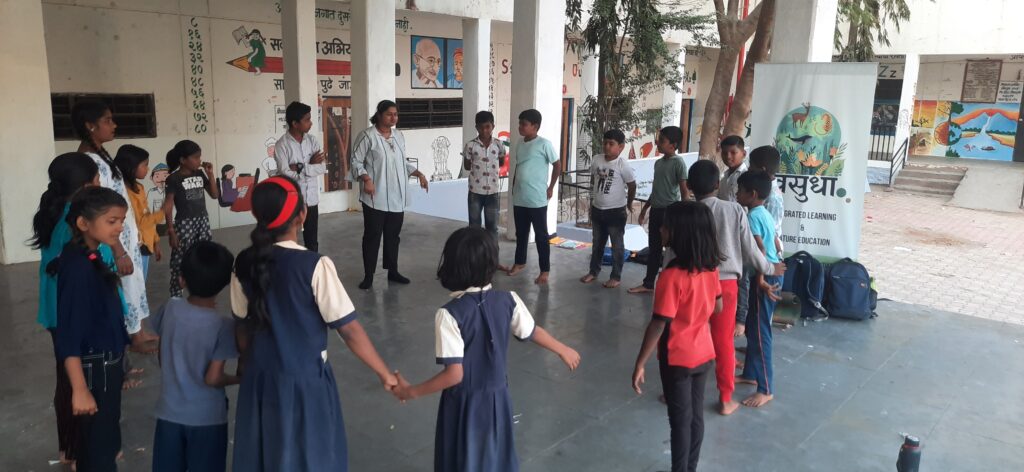
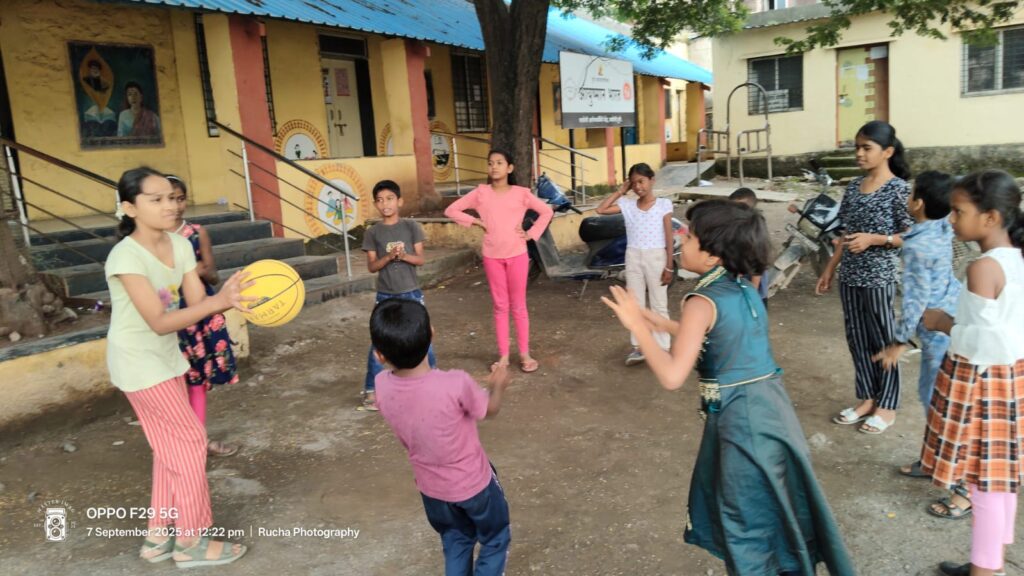
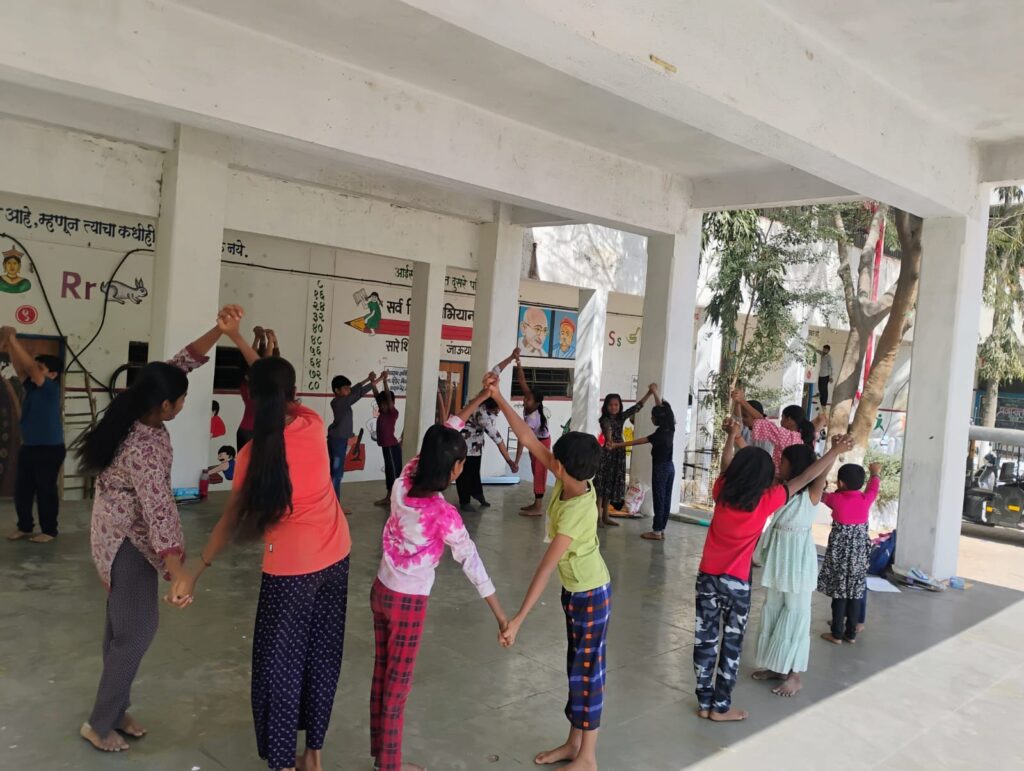
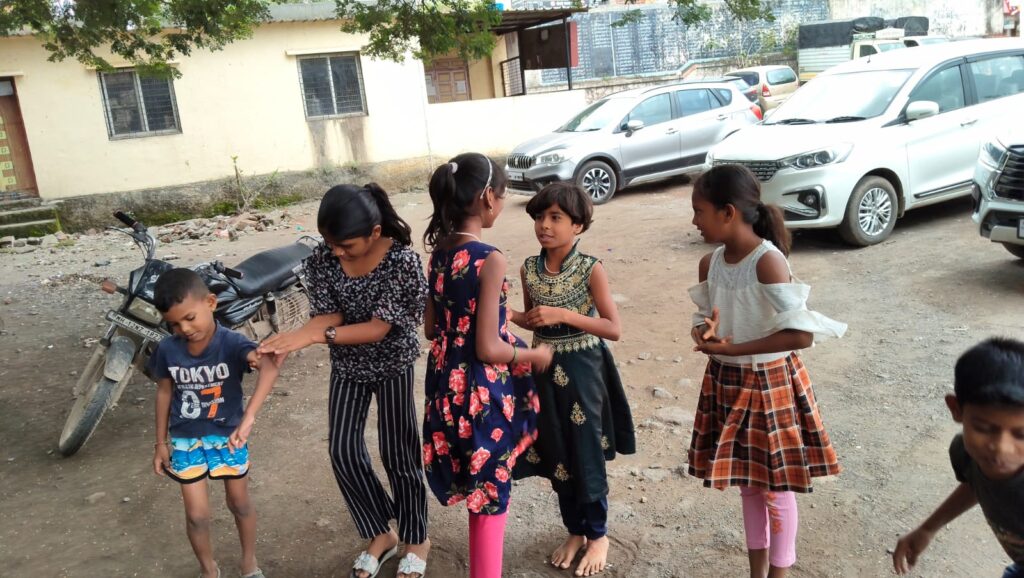
Body consciousness and play form an integral part of learning at VASUDHA. Through play children learn about teamwork, learn to accept failures and engage in healthy competition. They learn to coordinate mind body and spirit.
Interaction with horses
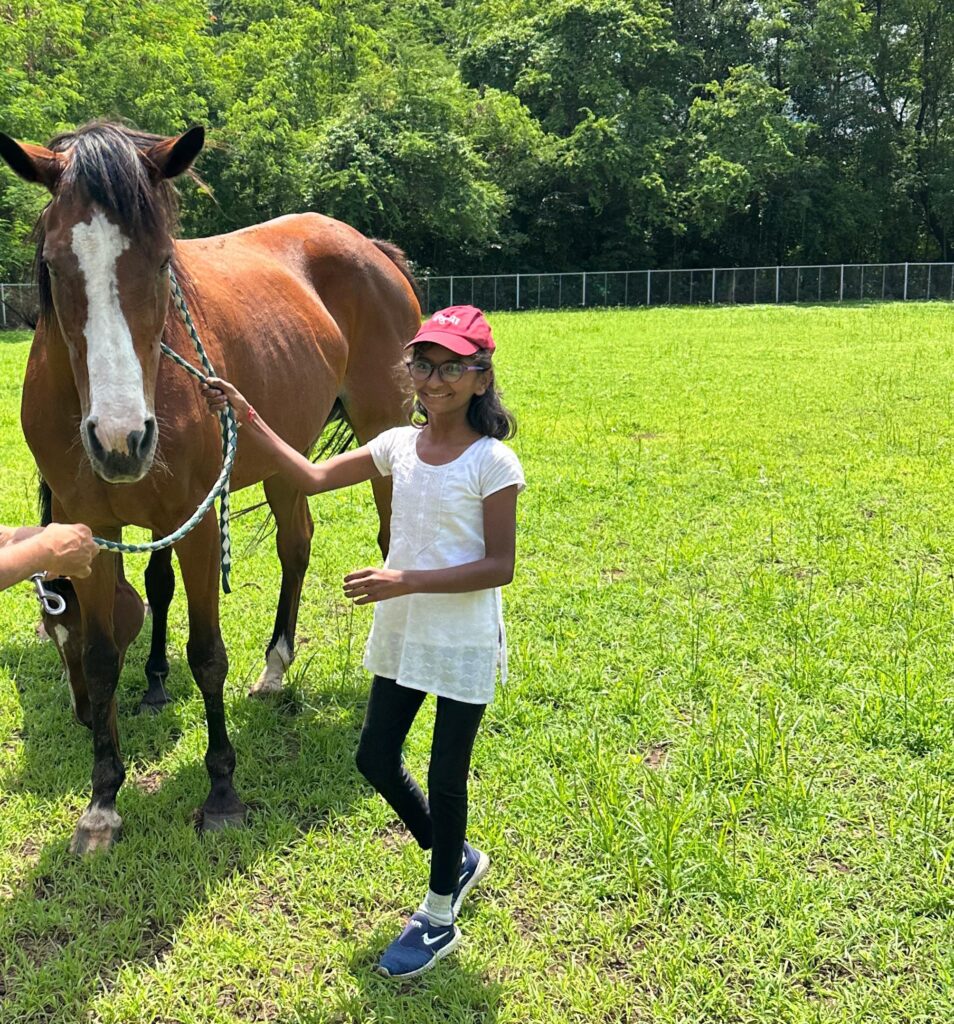
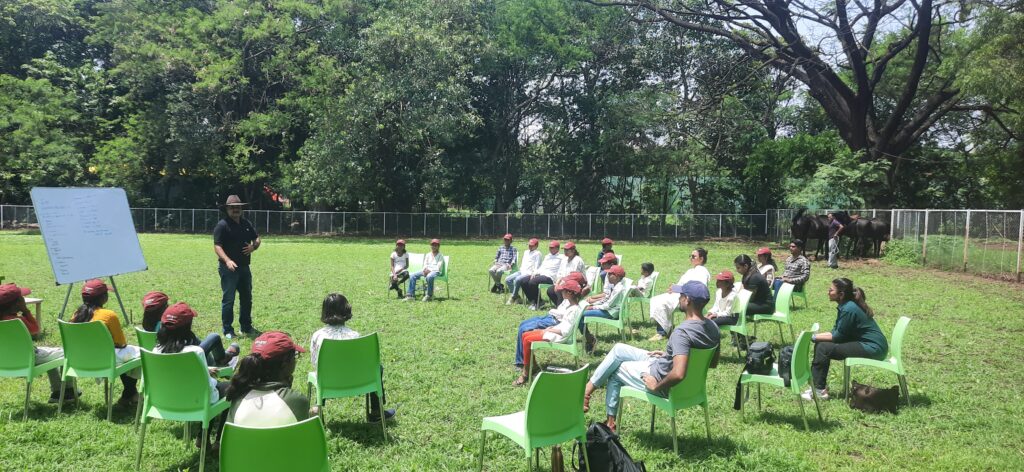
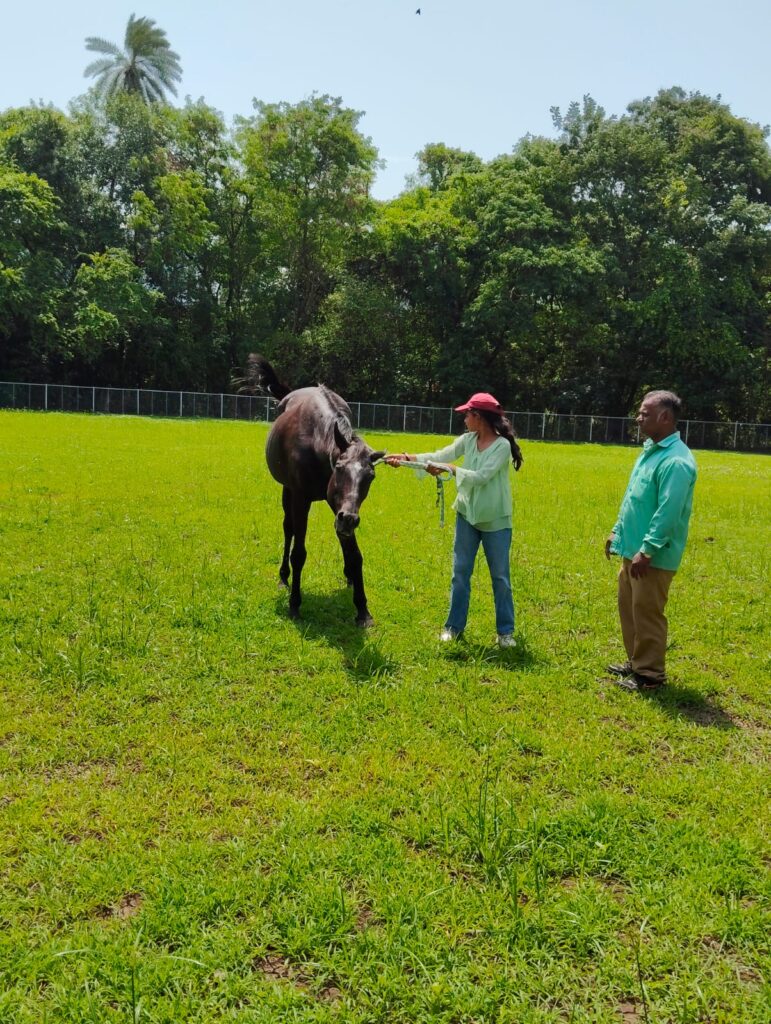
Empathy for animals and recognition of the intelligence and sentience in animals is very important in the VASUDHA learning goals. We were fortunate to be welcomed by Gaurav Rampal as part of the Horseman Ways session at the Yerawada Stud Farm. The kids who had never been so close to horses learnt to observe their own feelings of fear or excitement in the interaction and also learnt how to communicate with the horses. Understanding boundaries and respecting them was another aspect of the session which ended with a short meditation as the children sat quietly and the horses encircled them.
Drawing class
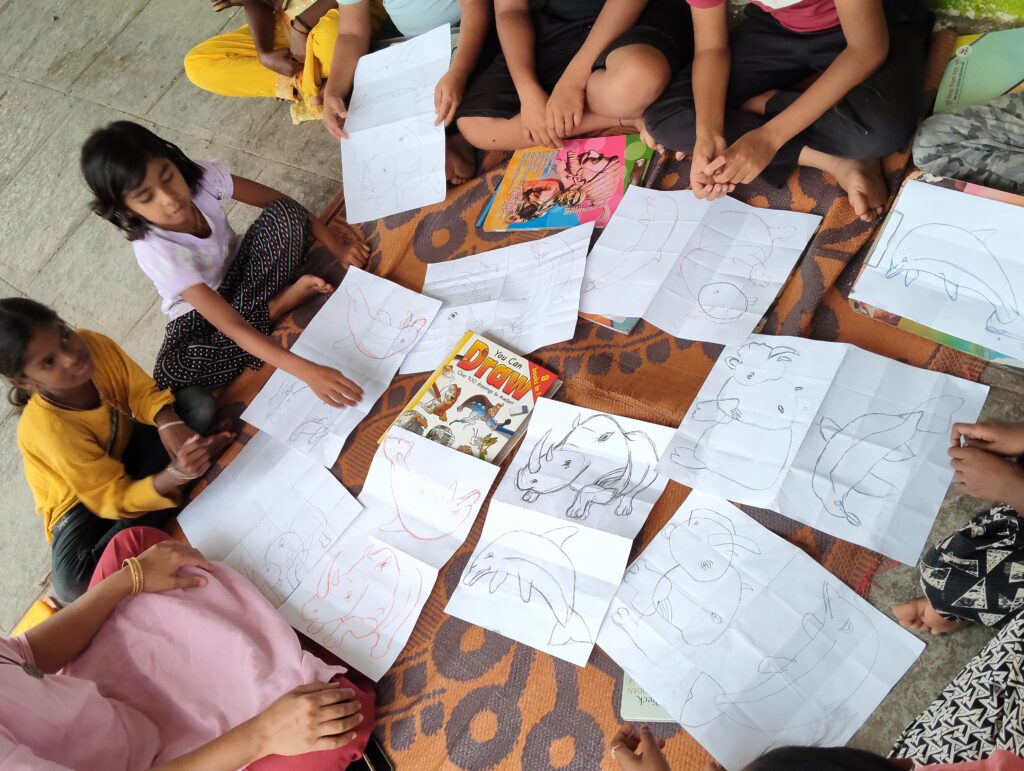
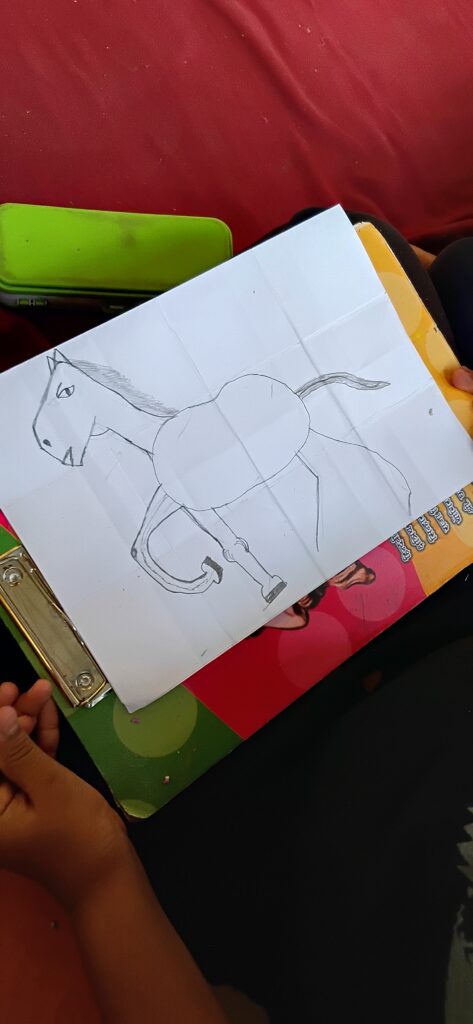
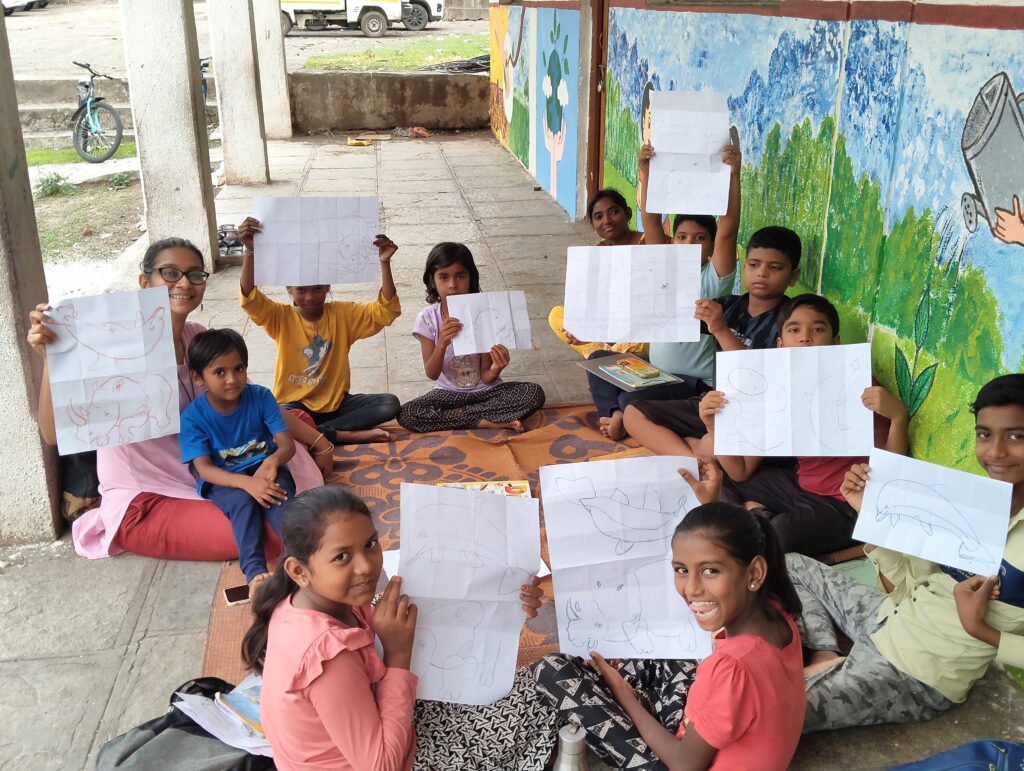
Drawing allows for visual cognition to develop among children teaching them to observe carefully and remember more clearly. Periodically, drawing activities are offerred as a way to include slow learners or those who find text challenging. Drawing with grids and structure enables them to develop visual analytical skills as well.
Khadi spinning session
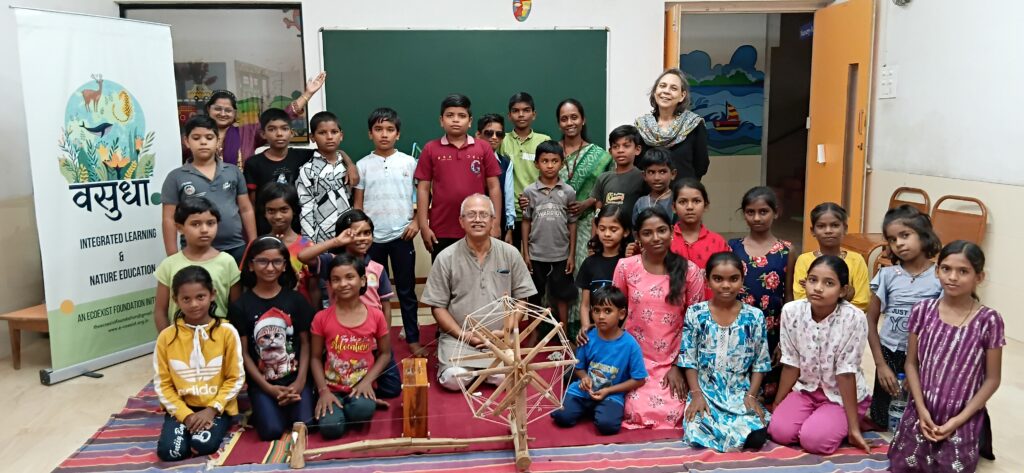
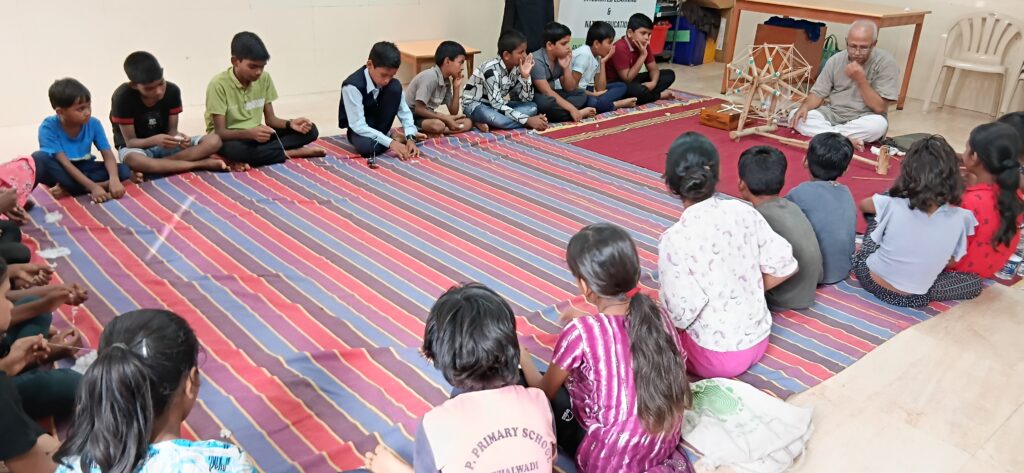
Sri Madhav Sahasrabuddhe, one of the last few experts in khadi spinning in Pune who has been religiously practicing daily for decades, shared Gandhiji’s vision of each Indian learning to spin khadi. This session was held at the Sanskruti school in Wagholi who kindly lent us their space for use.
The session offerred the children an insight into how thread is made from cotton and how farbic is hand spun. This was the first time they had ever seen this process in person.
Disability awareness : Sitaare Zameen Par
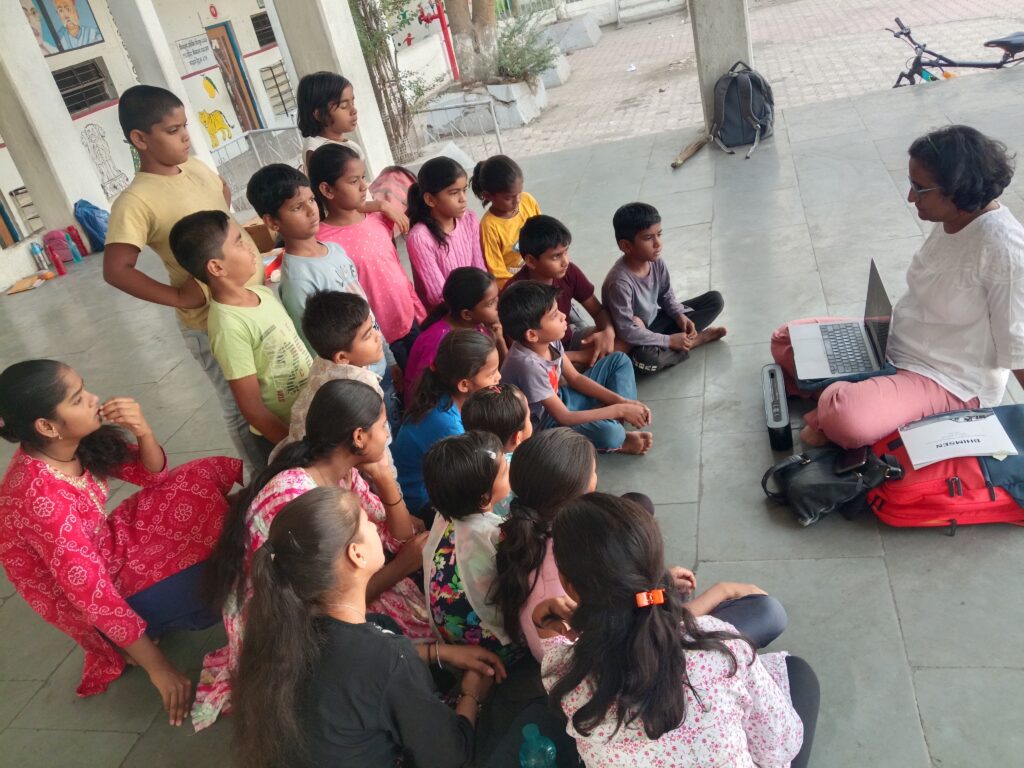
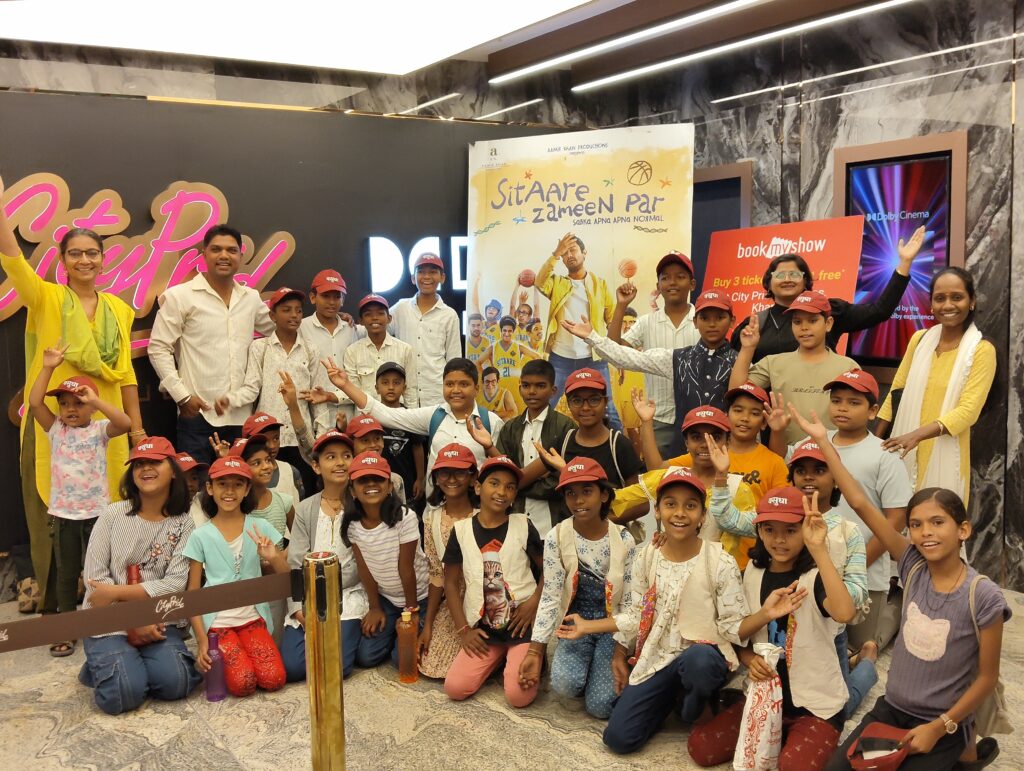
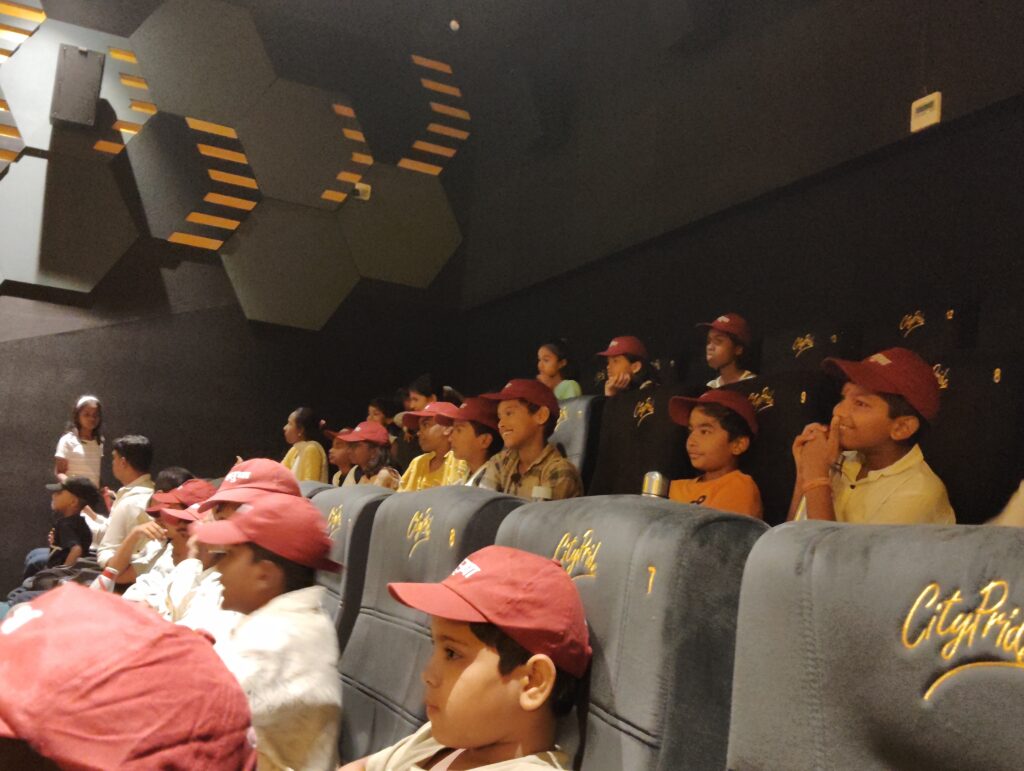
The film Sitaare Zameen Par made by Aamir Khan was a fun way to learn about disability , special needs and develop sensitivity and empathy among the children. The kids laughed and cried during the film screening and later discussed it in class where they reflected on what makes each one of us unique. The team at the City Pride theater welcomed us warmly and offer snakcs and drinks to the kids after the movie.
Visit to Kaivalyadham
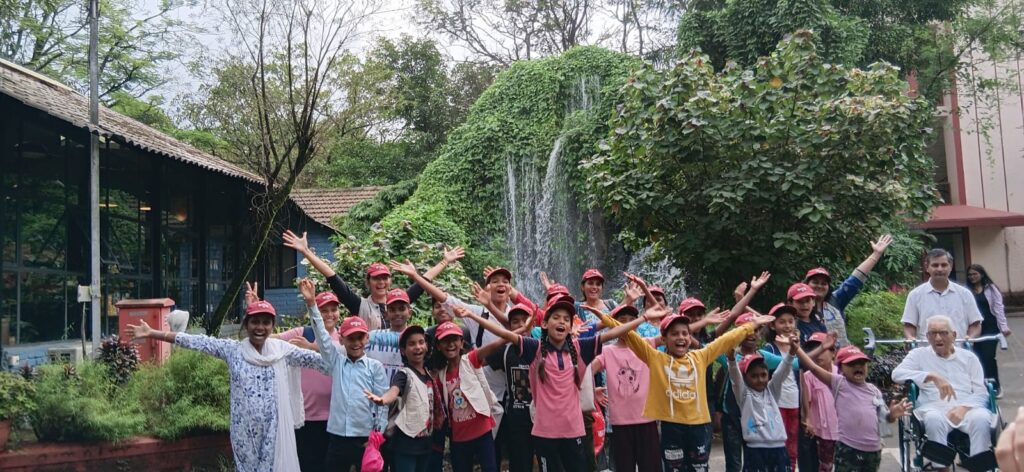
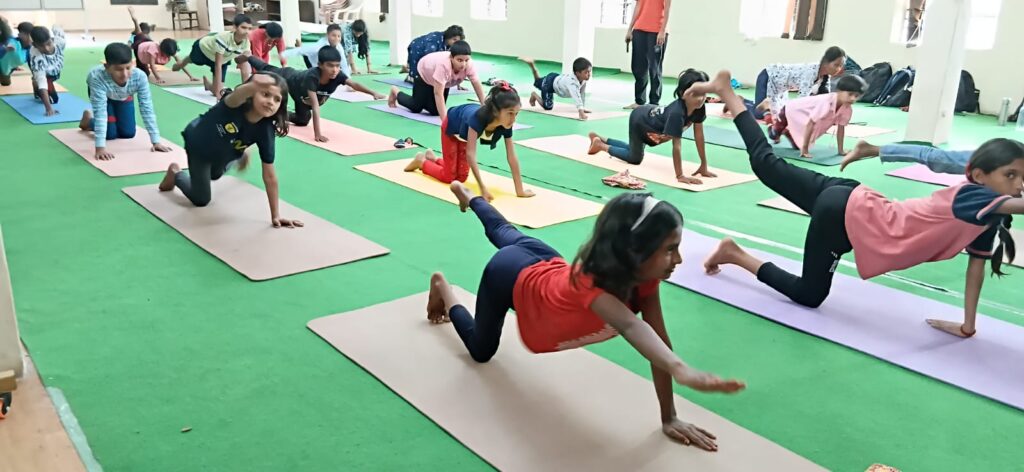
Learning about ones own body and how to stay healthy is a critical element of education. The day visit to Kaivalyadham Lonavala was an incredibe experience for the children as they were taught about Hatha Yoga. They also practised simple asanas and became aware of how their bodies moved. Along with us on this visit, were the women of Awhalwadi as well who have been benefiting from eCoexist Green Livelihoods programme.
Crafts : Ganesh idols
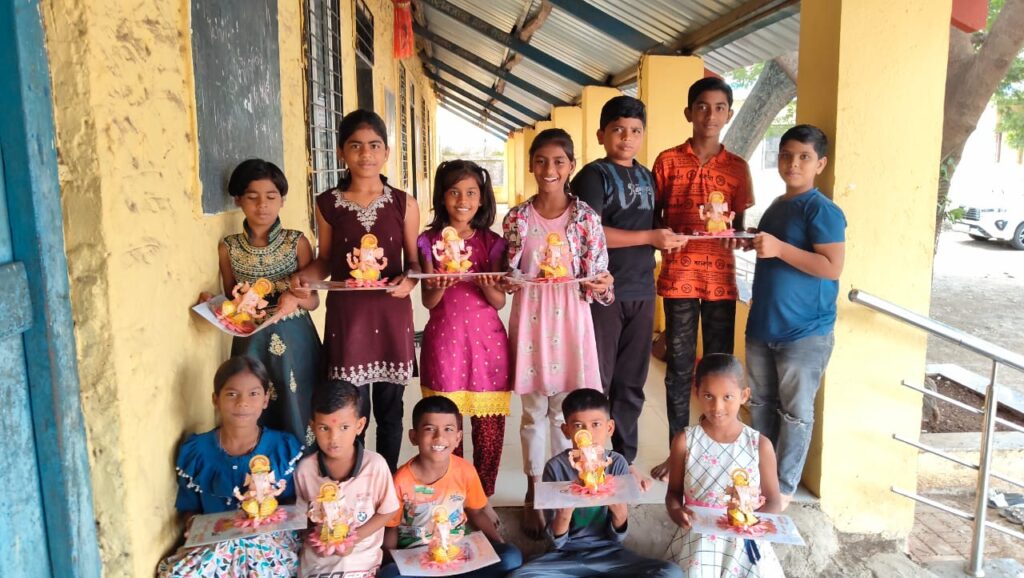
Handicraft offers a way for children to learn to use their hands creatively and become productive. The children did a DIY session on making paper Ganesh idols prior to the Ganesh Chaturthi festival. As they worked with assembling the paper cut outs, they were also told about the problems caused by the immersion of POP idols into natural water bodies.