VASUDHA
The Integrated Learning & Nature Education Space
ORIGIN
eCoexist started work in Awhalwadi in 2017 with the women of the village. In 2024, we decided that we needed to do something for the children of the village too and approached the Zilla Parishad School principle to ask in what ways we could offer our help. The most urgent need was for help with Spoken English and for a library with storybooks. This led to the formation of VASUDHA a natura space for the children, where spoken English could be taught through storytelling. To this we bring in a love for Nature and a sensitivity to all living beings.
ABOUT
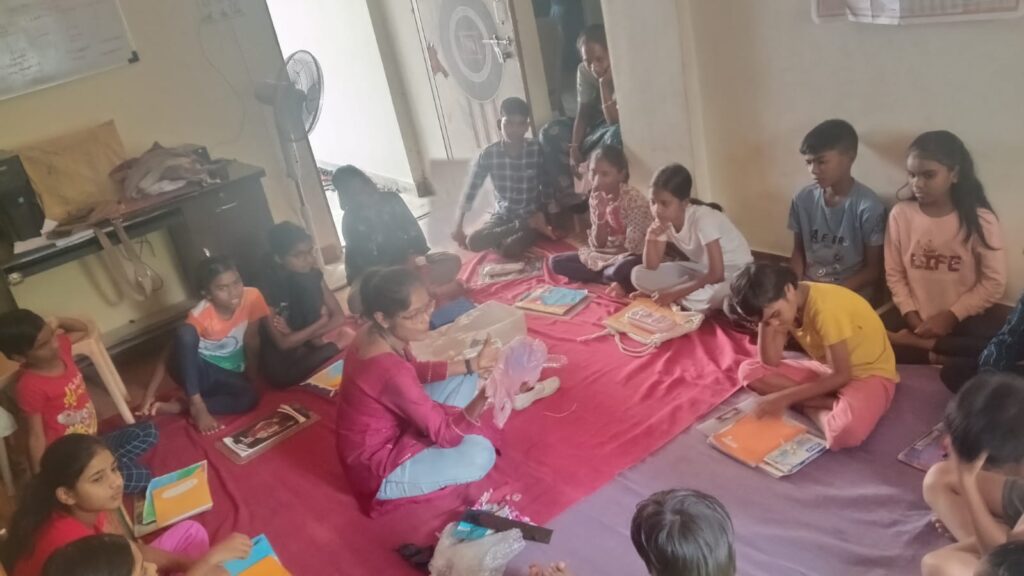
VASUDHA, meaning “Earth” in Sanskrit, is a Nature Space initiative dedicated to the children of Ahwalwadi. This program offers a unique opportunity for kids to spend two hours a week immersed in activities that foster a deep connection with nature. Through learning, playing, and singing, the children will explore the wonders of the natural world around them.
OUR MISSION
At VASUDHA, we believe that nurturing a love for nature from a young age is essential for fostering environmental stewardship. Our mission is to create a joyful and engaging space where children can develop an appreciation for the beauty and intricacies of the environment, while also enhancing their English language skills.
MEET THE TEAM
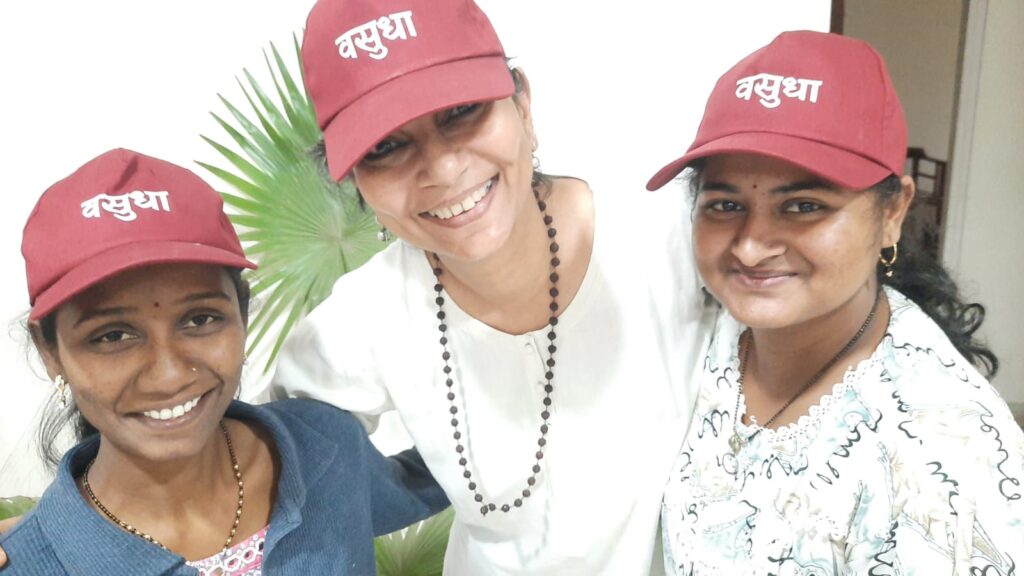
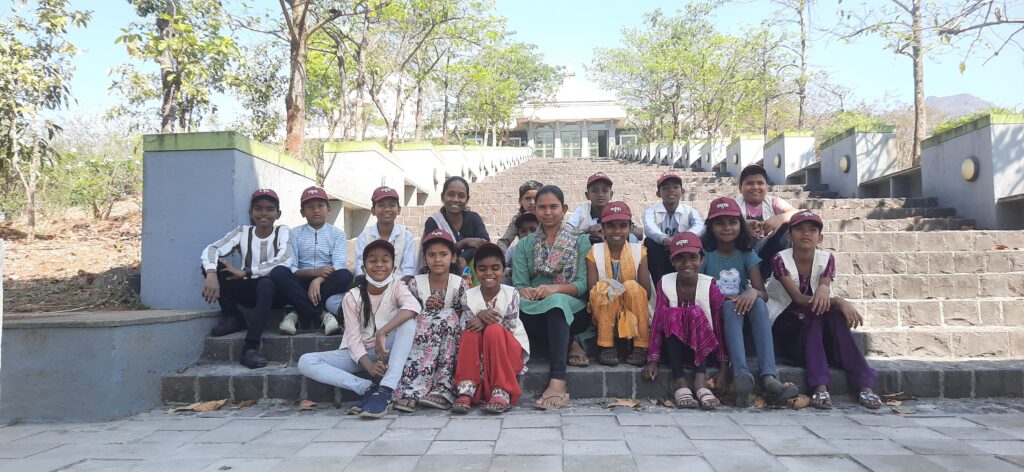
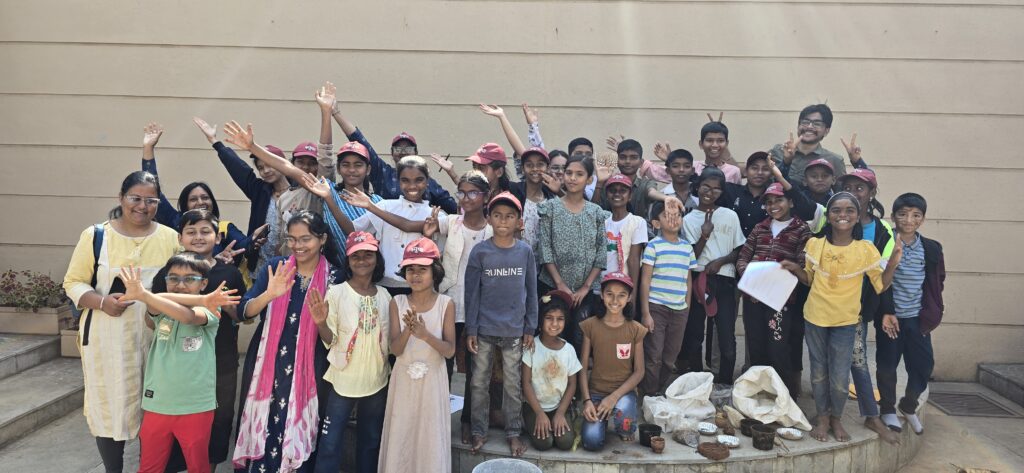
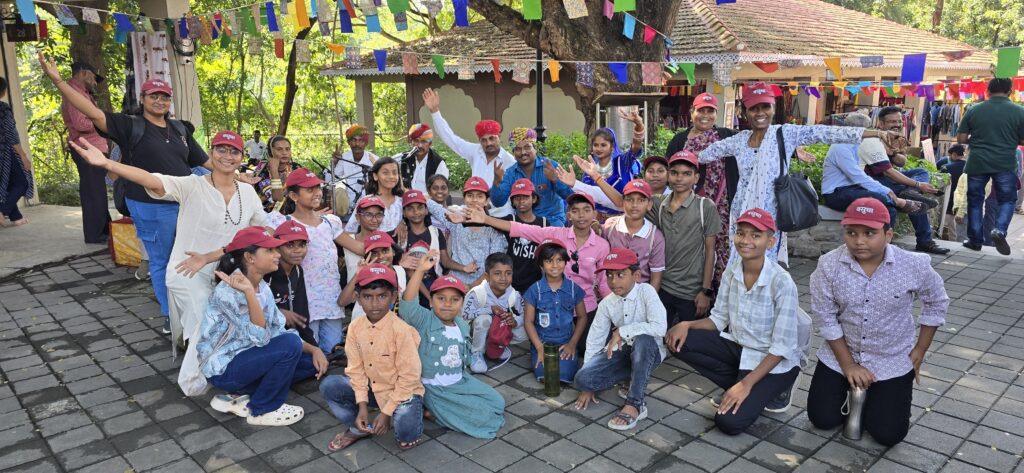
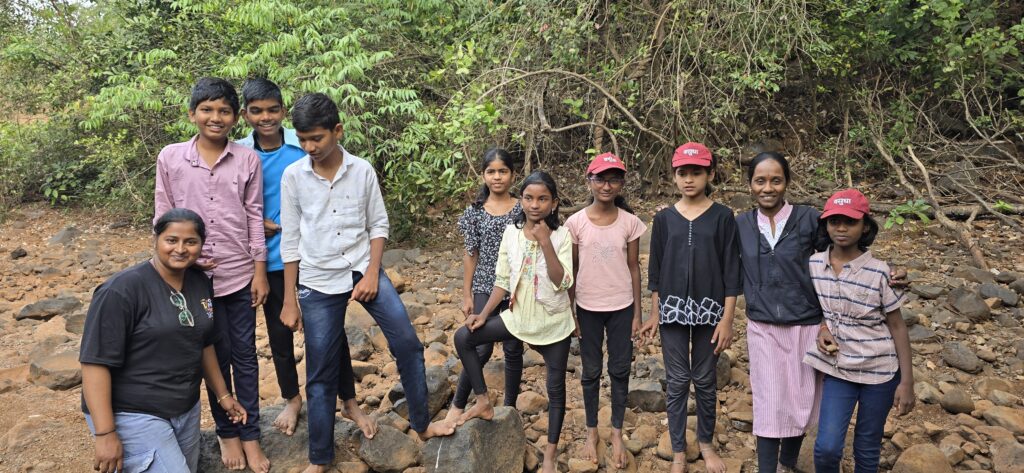
The VASUDHA team that works for the Awhalwadi kids ! Growing with love… with thanks to the support we recieve from all of you !
Year 2: 2025
Nearly 30 students have been attending VASUDHA sessions at Awhalwadi. In the second year of our time with them, there is a sense of ease and familiarity in the group, and we can visibly see the difference our time with them has made. Sitting down one-on-one with parents, we also enquire into the physical and mental health of each child and how they express themselves at home. The idea is to go deeper with them this year, revisiting topics we had just introduced to them briefly and delving further into these. We will also bring in life skills such as handling savings, an introduction to computers, and understanding their own immediate environment in the village.
ASSESSMENT OF TEACHERS
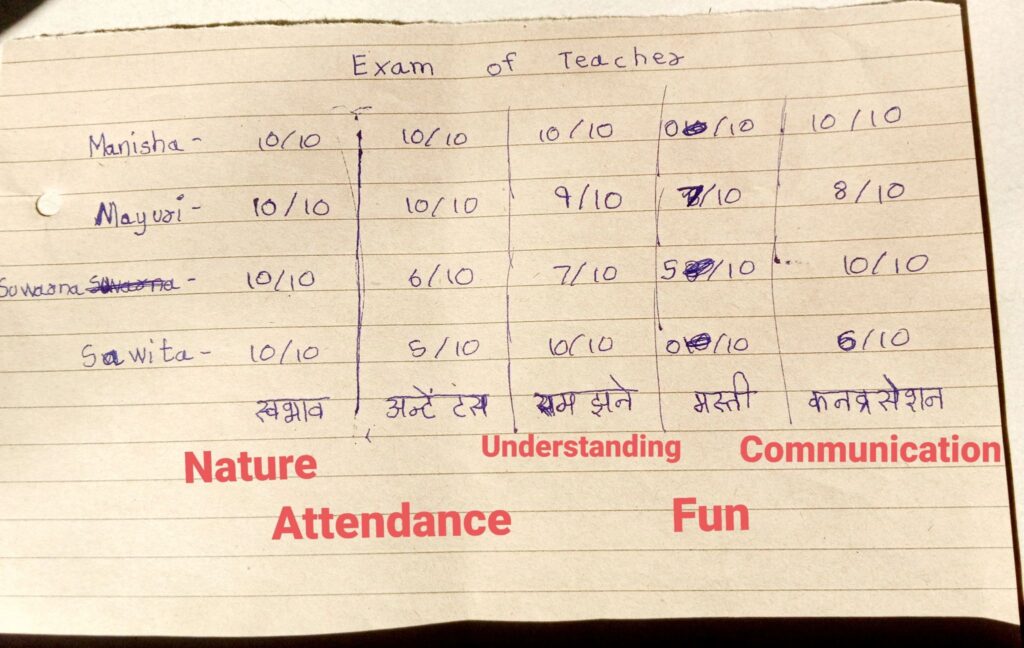
The children graded us teachers at Vasudha this session. They chose the criteria and decided our grade…when we assured them they could be free with their feedback they changed their minds…the delight in their grading was total!!
The idea of judging an elder was completely new to them.
The criteria they chose were the teachers personality, their attendance, whether they were understanding, whether they had good communication skills and finally of course simple- whether they were FUN to be with!
FEEDBACK FROM PARENTS
To gauge the impact of the VASUDHA sessions on the children we invited parents to come and speak to us one on one and discussed with them about the mental and physical health of the child. Aspirations of the child and the parents become clearer as well as we gain a deeper understanding of the family environment the child is growing up in . Often if both parents are breadwinners, the child does not get enough parental attention. Biases towards boys also emerge and we counsel the parents as best we can.
VISIT TO CHINMAYA VIBHUTI : LESSONS ON SELF INQUIRY
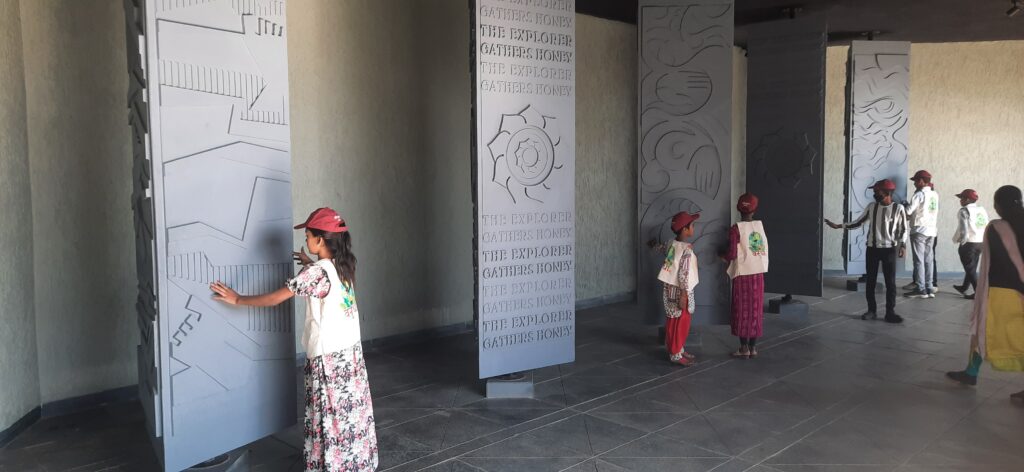
As we believe that training in self awareness is an equally important aspect of education, VASUDHA includes an exposure to traditional and indigenous philosophies. A trip to the Chinmaya Vibhuti ashram at Kolwan, Pune was an exposure to the work of the Chinmaya mission in reviving ancient Indian knowledge systems. The Swanubhuti Vatika introduces the idea of self reflection to the children through art and story telling.
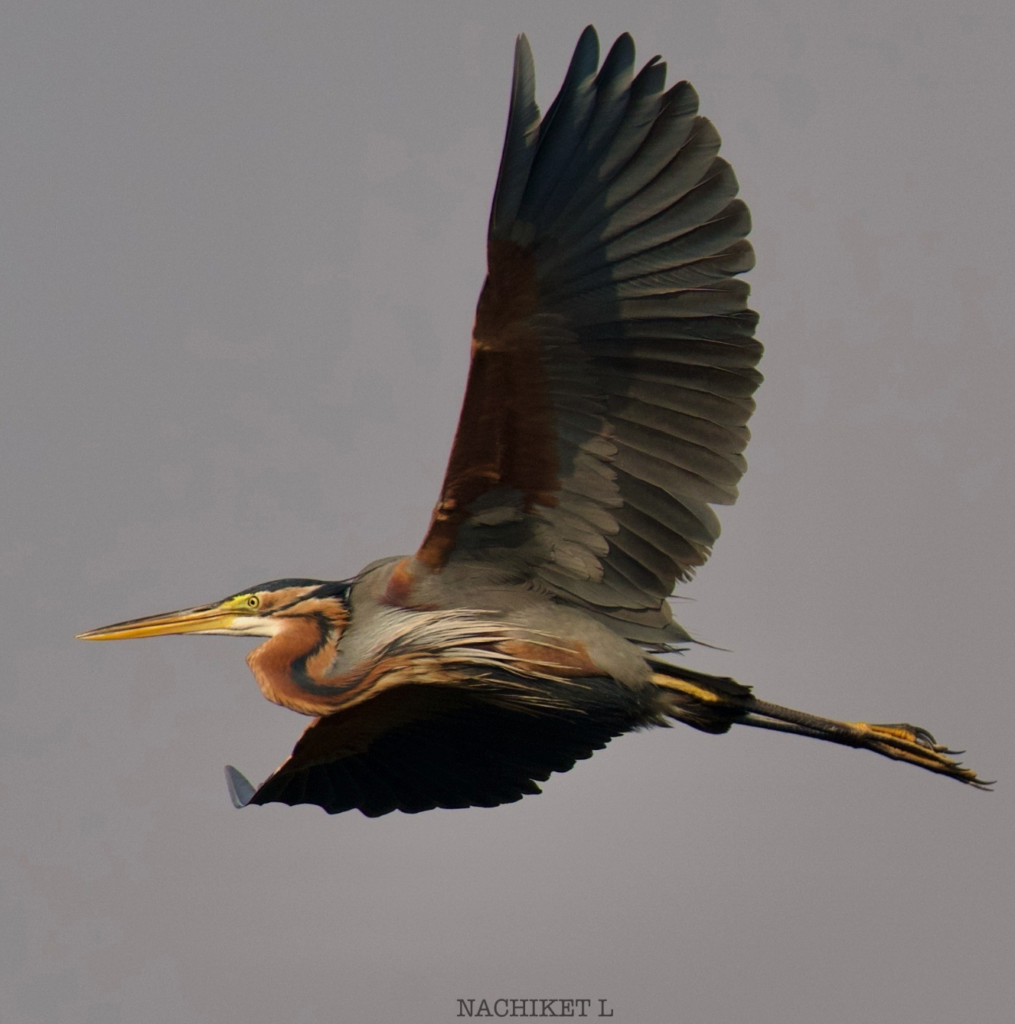
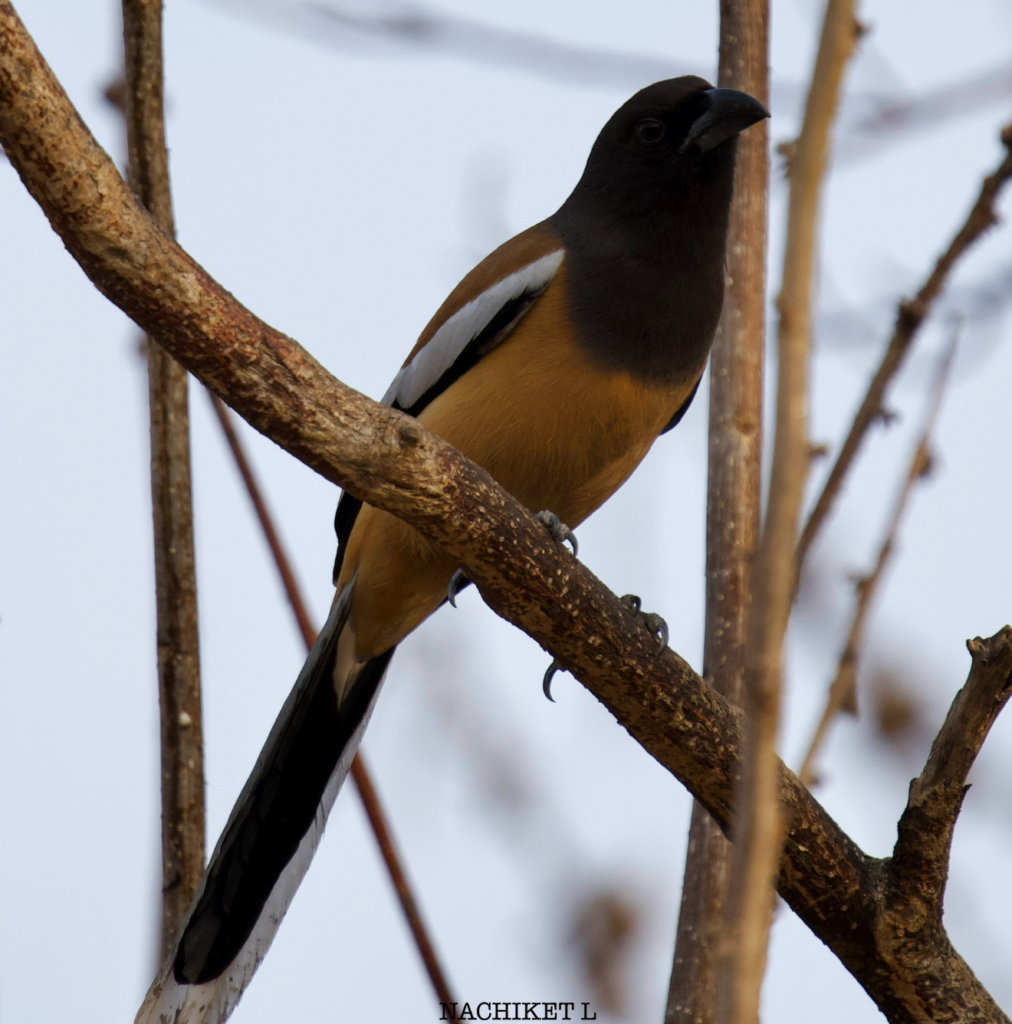
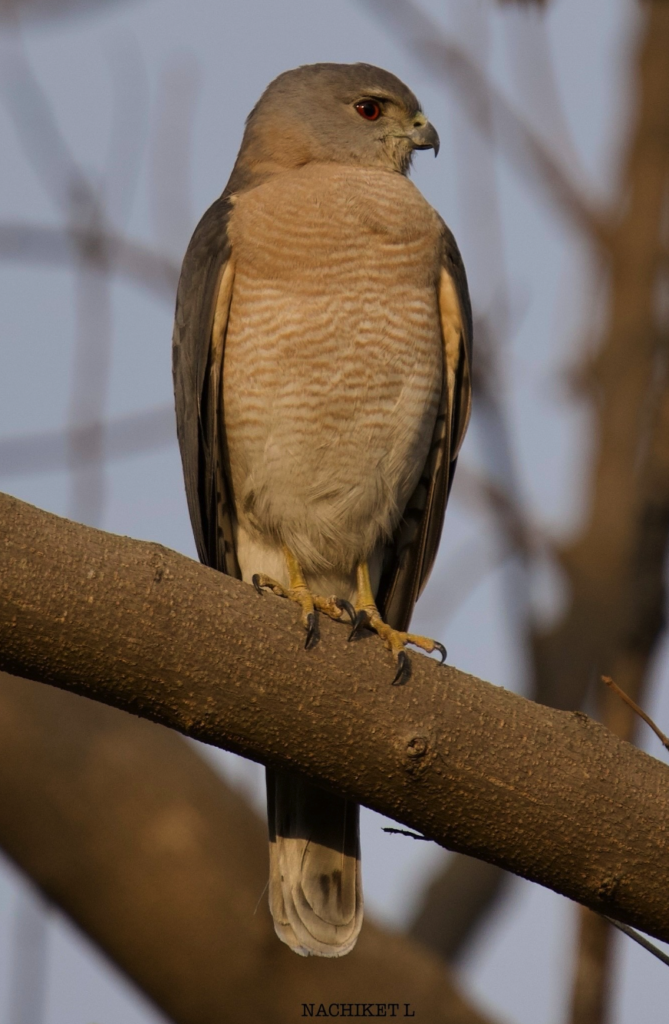
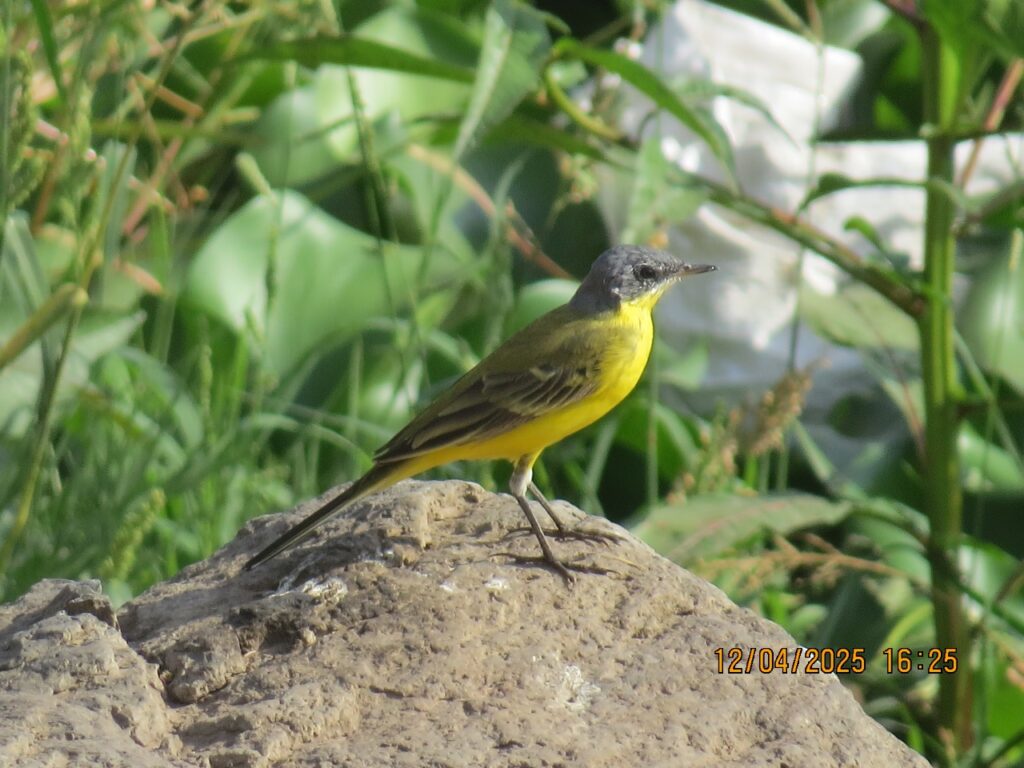
An early morning visit to Vetal Tekdi was hosted for us by Ranjeet Rane – an avid bird enthusiast who has been fighting to protect the Vetal Tekdi and ARAI hills. The children watched and learnt how to identify 41 species of birds in real life. Close up photos taken by Nachiket Likhite helped instantly to show the kids up close what the bird looked like.
Purple Heron ( Nachiket Likhite )
Rufous Treepie ( Nachiket Likhite)
Shikra ( Nachiket Likhite)
INTRODUCTION TO COMPUTERS
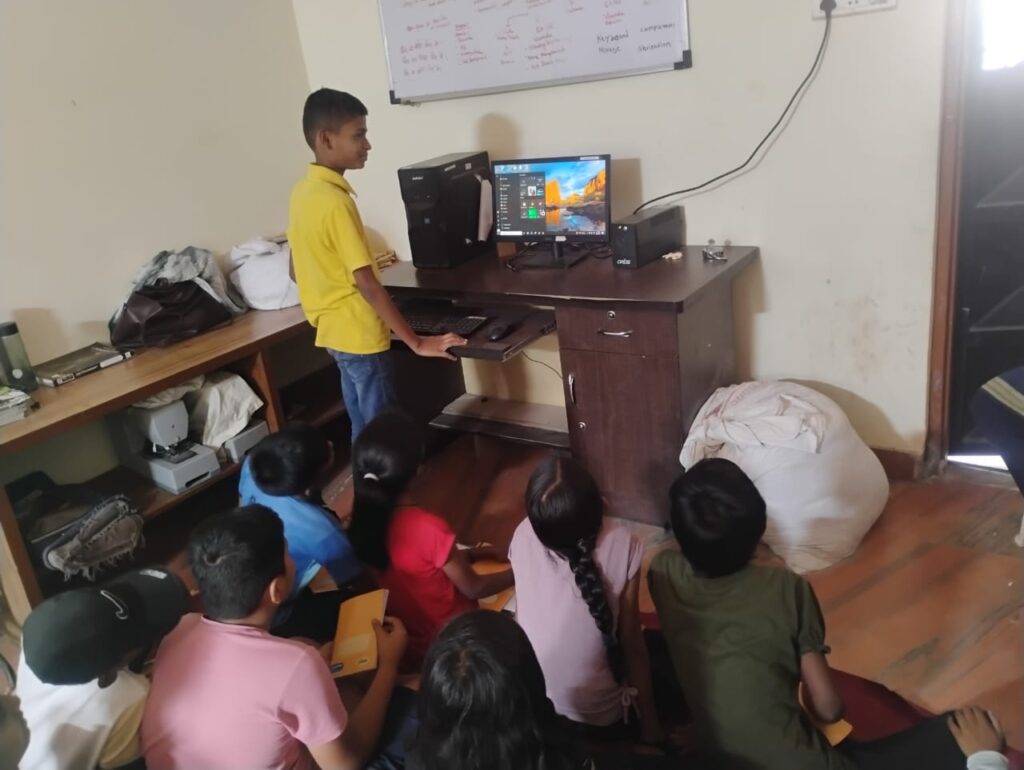
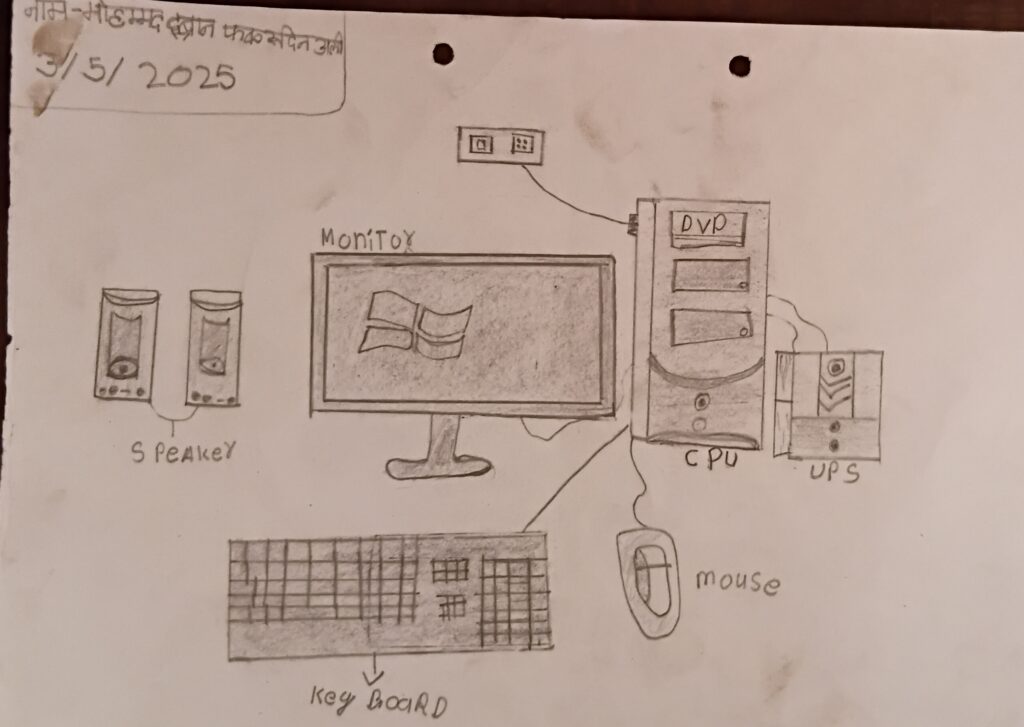
Since many of the families cannot afford to buy a computer for the children to learn on, we have installed a computer at the Awhalwadi unit and started to offer basic lessons to the children to become familiar with computers. The dream is that we can get a few more computers for them to regularly practise with, but for now we have started by bsaic introductions to how the hardware works and some basic softwares like Paint etc that they can enjoy to explore.
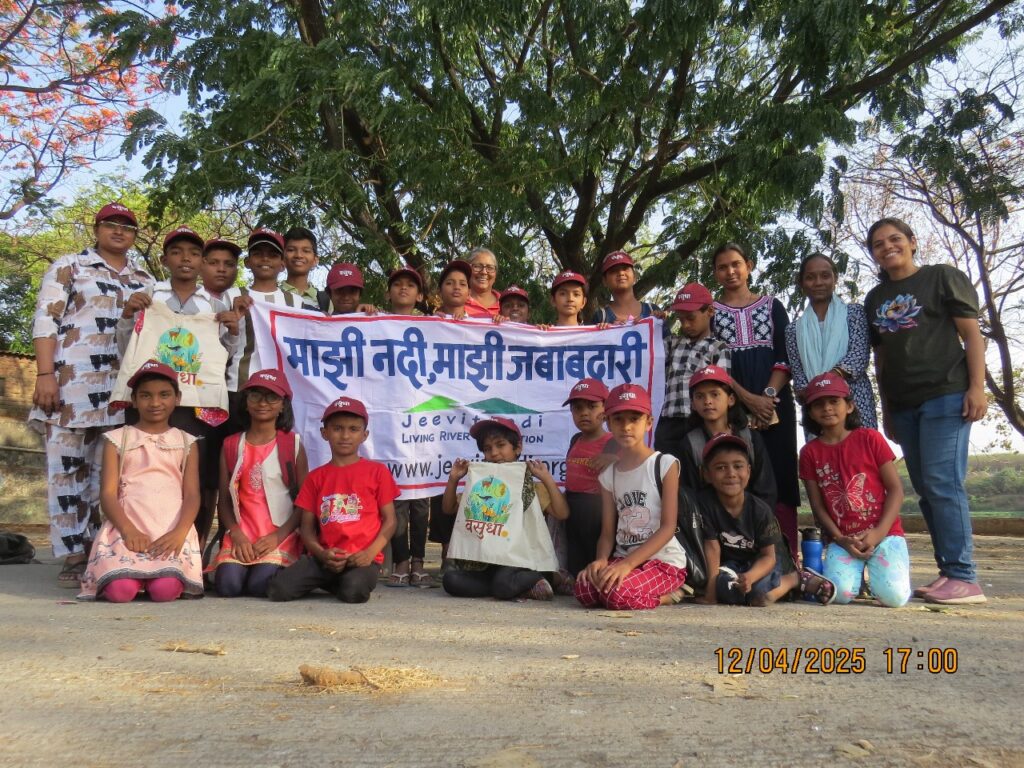
INTRODUCTION TO RIVER ECOSYSTEMS : JEEVITNADI
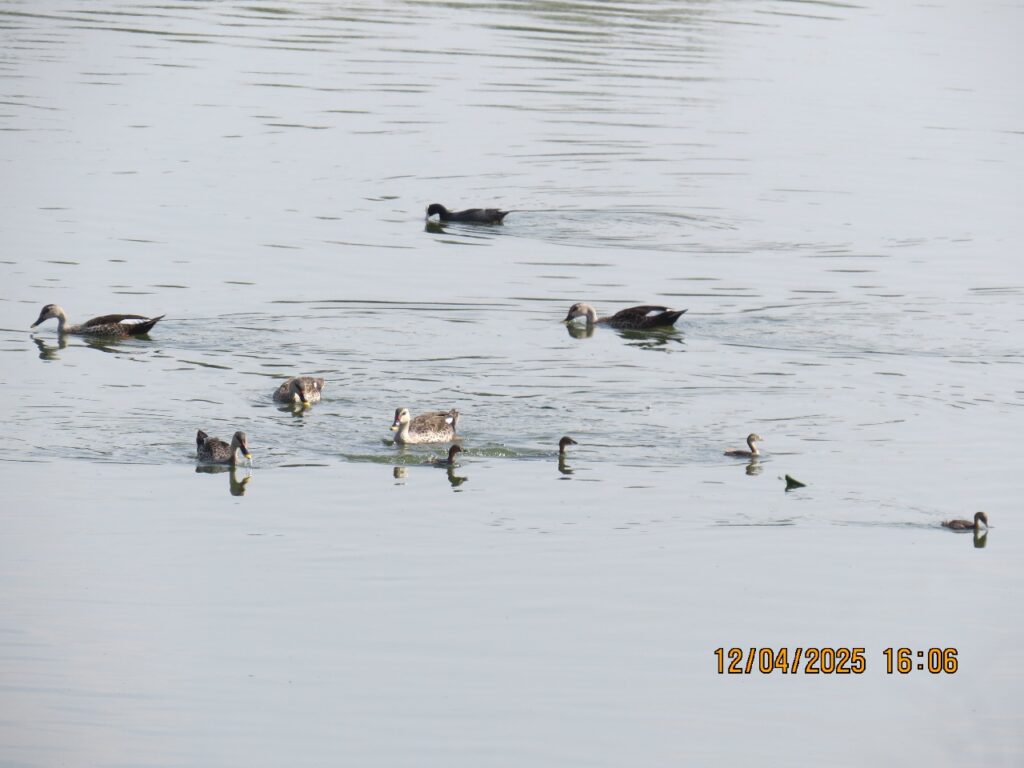
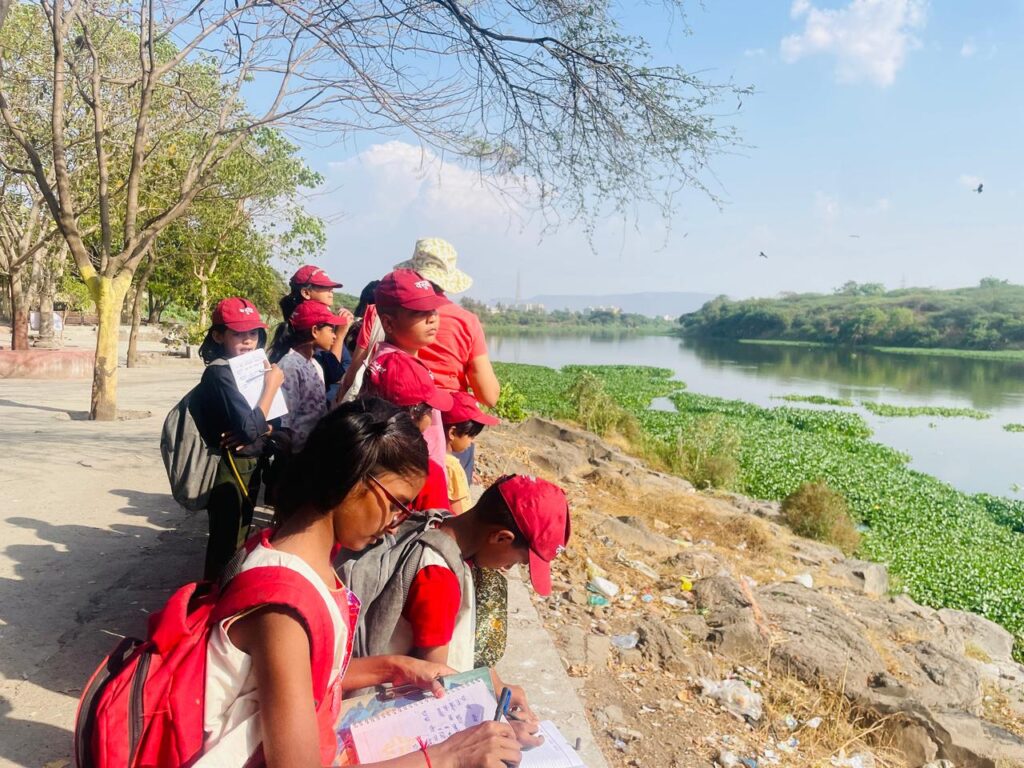
The NGO Jeevitnadi which has been working on issues of river conservation visited Awhalwadi to take the children to the Mula Mutha river side at the neighbouring village Manjari Khurd.
The children were told about how a river is formed, about the significance of a river for human settlement, about the biodiversity a river supports and also about the need to keep it clean.
LETTER WRITING
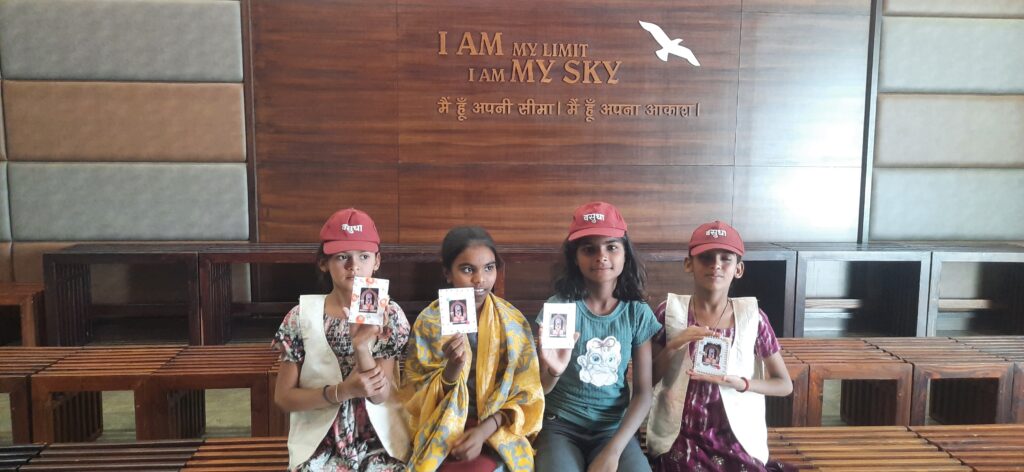
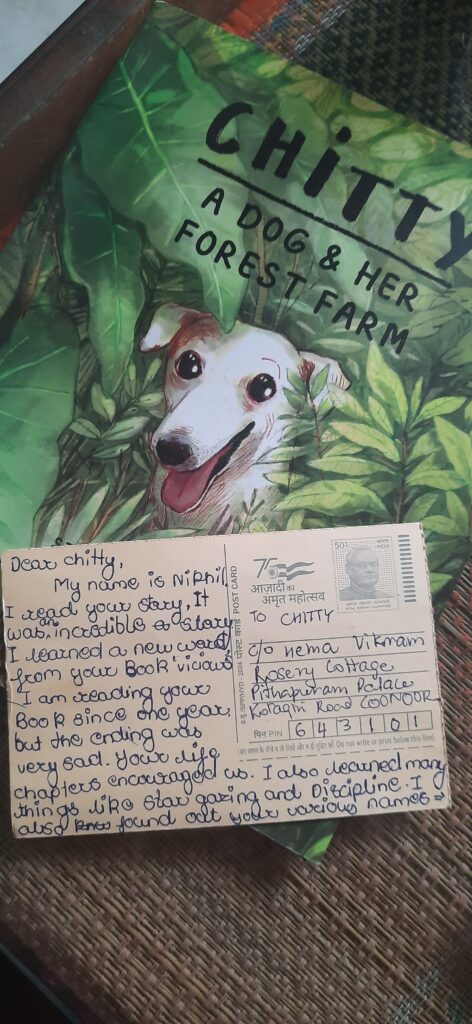
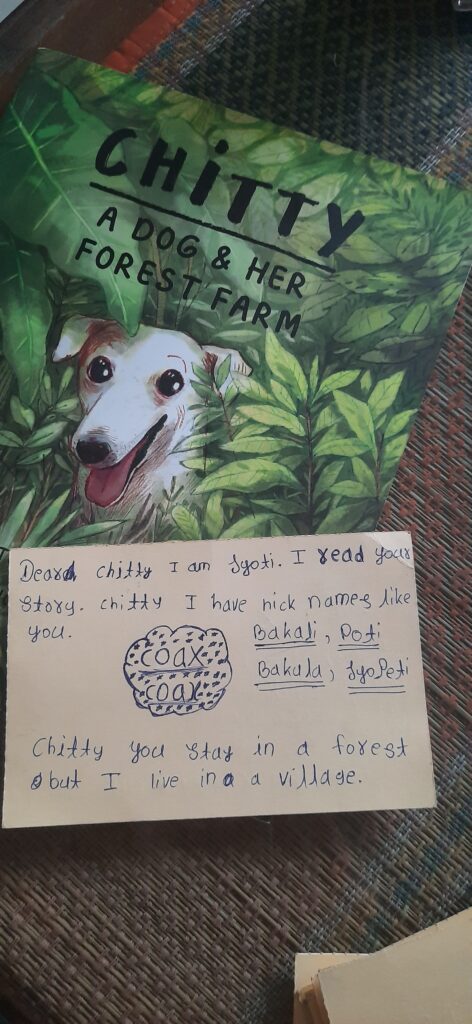
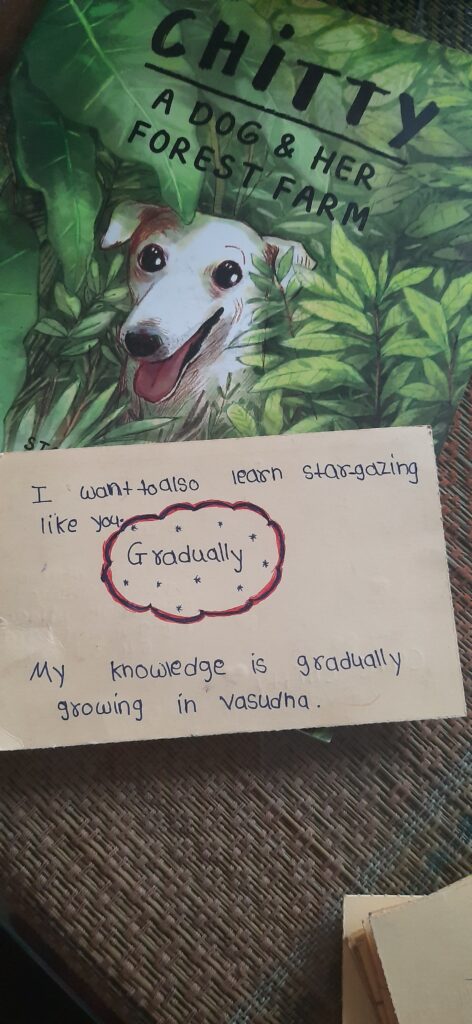
For over a year the children have been reading a story book called Chitty. As they learn simple and tough English words through the story of a dog who went from a city to a forest farm, they have fallen in love with Chitty. The idea came to write a letter to Chitty and tell her how much they love studying with her. Each child picked a new word they had learnt and wrote a post card to Chitty.
The cards were then mailed to the author of the story book. We are still waiting to hear back from her !
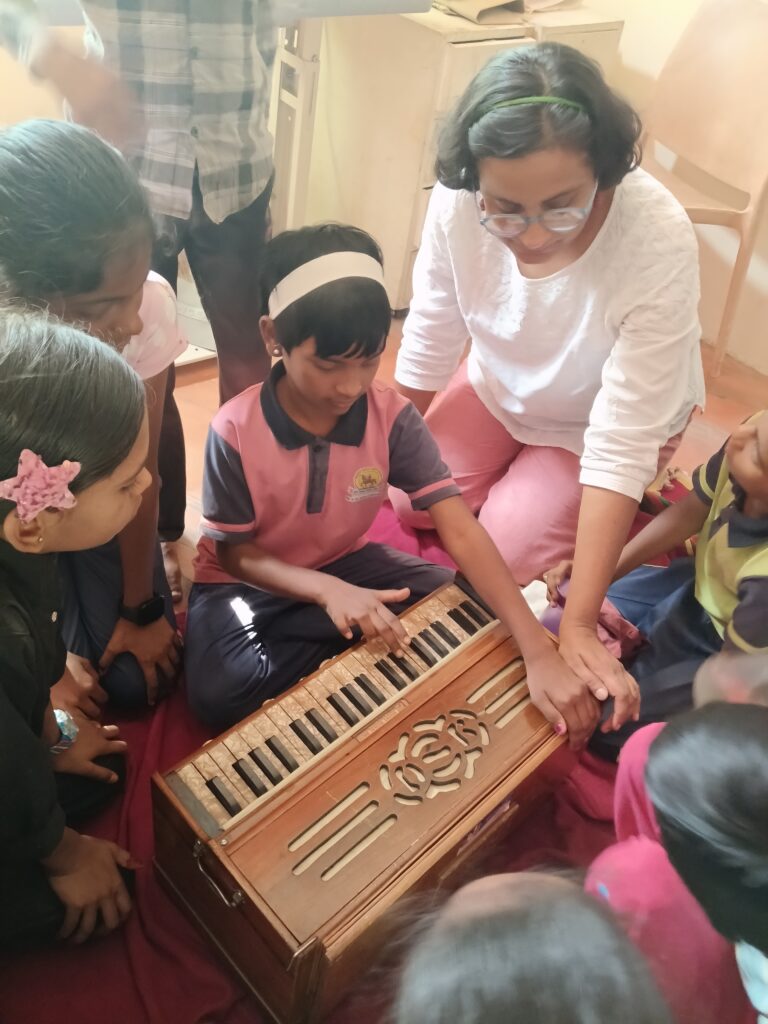
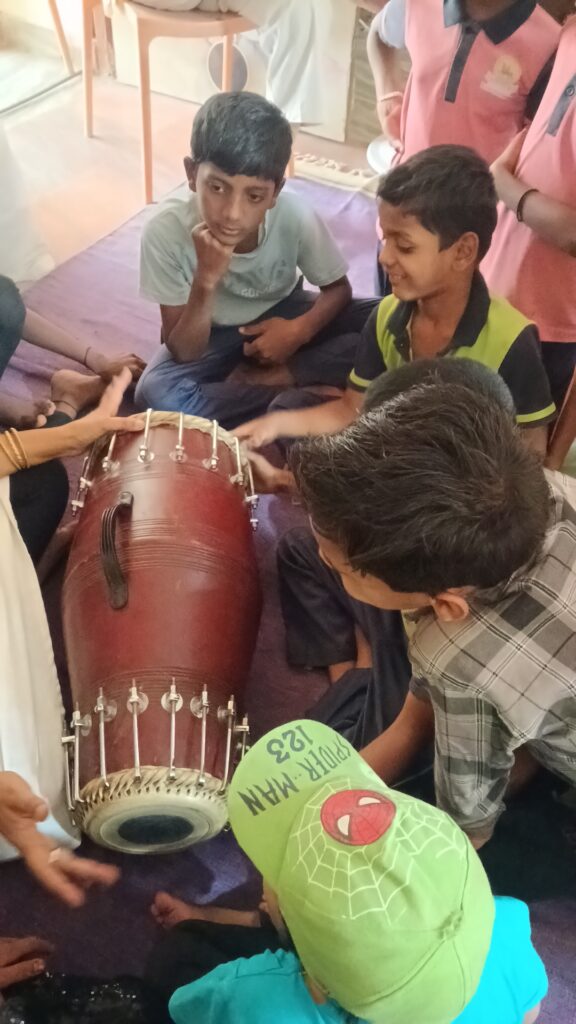
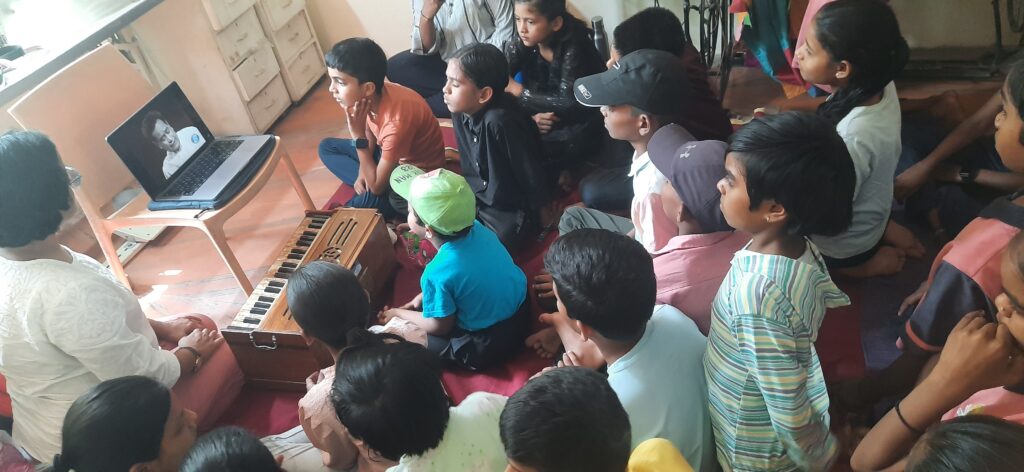
Introduction to Indian Classical Music : The Life of Bhimsen Joshi
Yashoda Joshi, the granddaughter of Sri Bhimsen Joshi came to hold a session on the life Bhimsenji and given the children a taste of his voice and music. We also carried along musical instruments like the harmonium and the dhol to offer the children a chance to play and explore these.
This exposure to music was accompanied by a story book that has recently been published on the life of Bhimsen Joshi. The kids heard about how he started on his quest at the early age of nine when he set out to find a teacher all on his own.
SPOKEN ENGLISH : The Miracle on Kachhua Beach
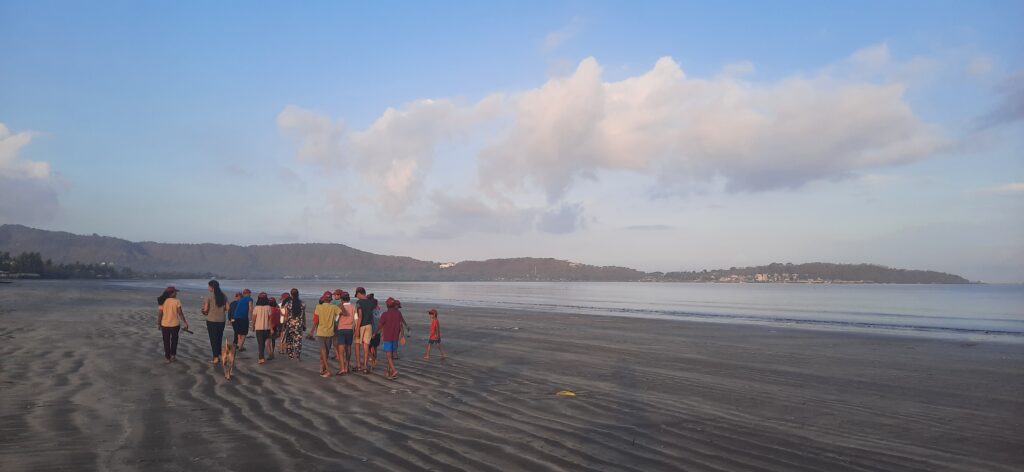
VISIT TO THE SEA : Alibaug Navkar village : The Other Side studio
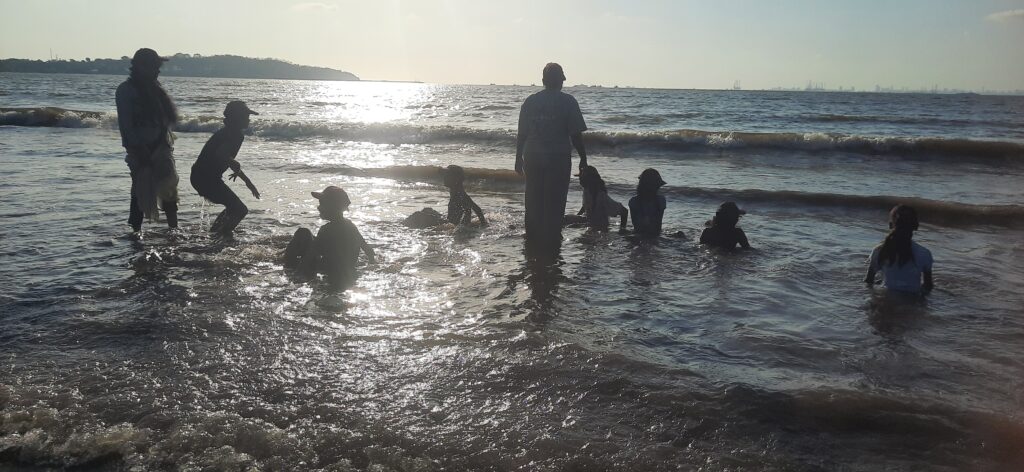
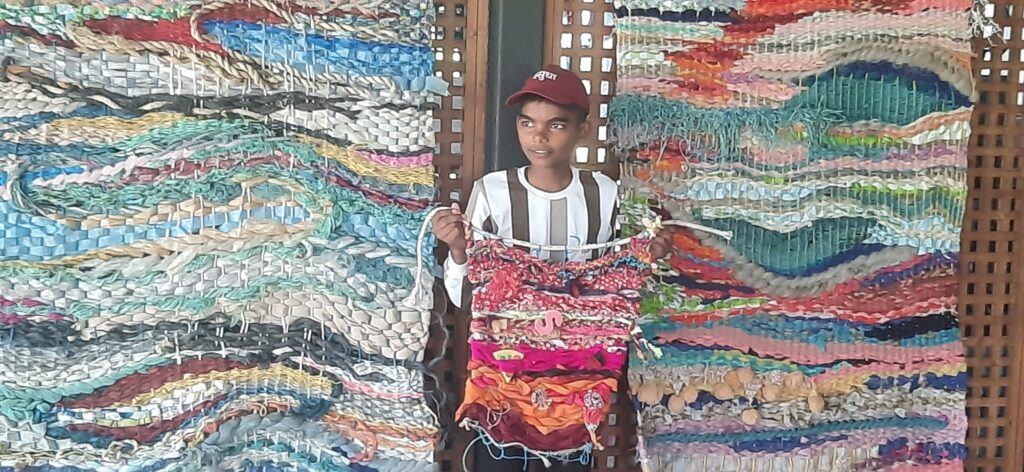
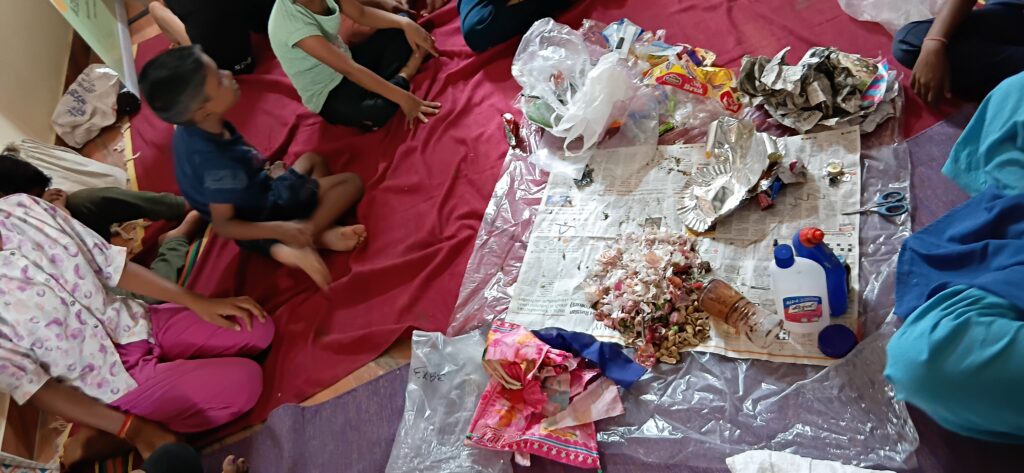
In May 2025, We took 15 children from Awhalwadi to see the ocean as some of them had never seen it before. This trip was made possible and hosted by The Other Side studio led by artists Rachana Toshniwal. As part of her project on art from ocean waste called SEA CHANGE, we collaboratively created an event called Sagar Manthan for the children. With an overnight stay in Alibaug, the kids experienced the ocease ina few different moods, and were also introuced to the problem of ocean pollution. Waste was collected by the gathering and converted into beach art on one day and into products and toys and art on the next at The Other Side studio.
Introduction to Waste Management : Swachh Cooperative
Waste Management : Seggregation at source
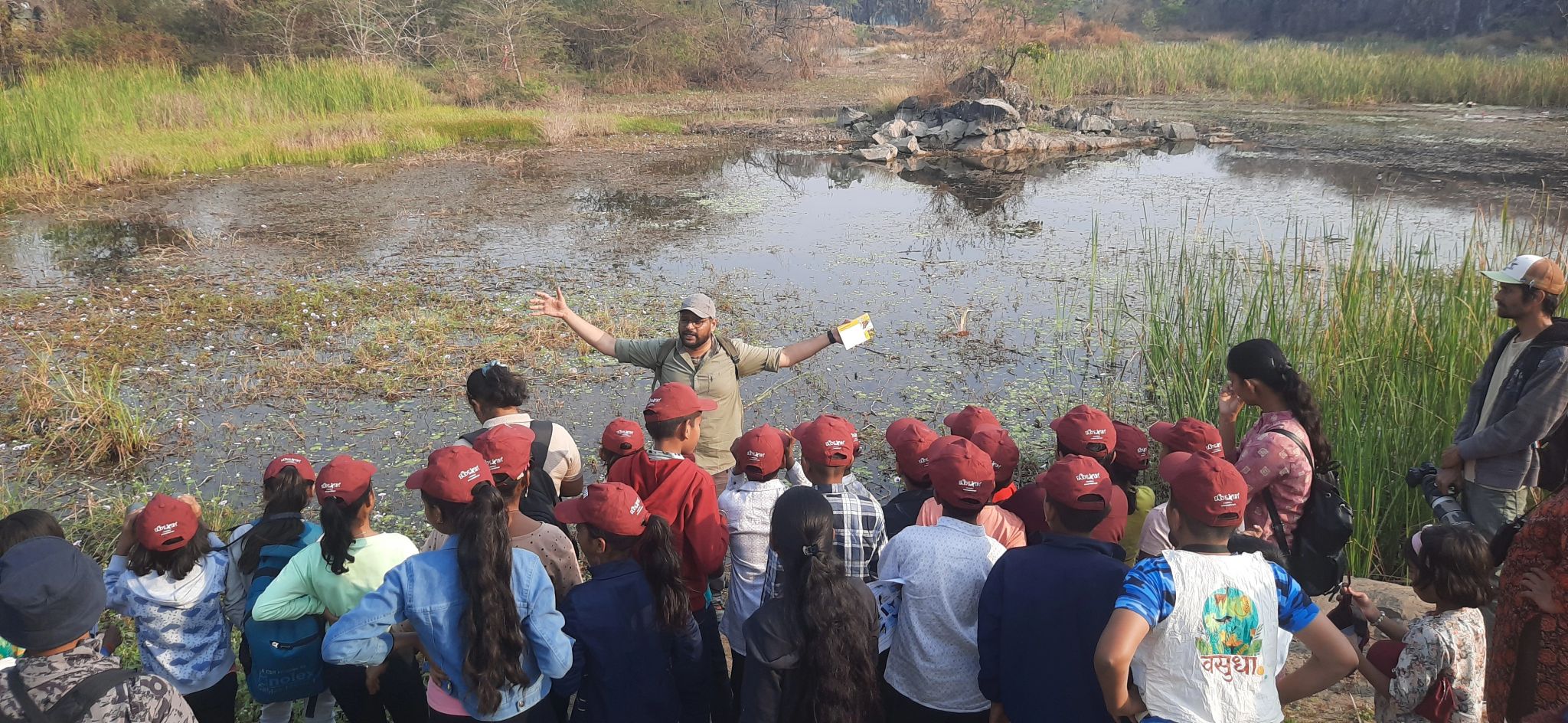
To continue the conversation on waste management, we requested the Swach team to come and speak to the children about types of waste and understanding segregation. Looking at each material and whether or not it can be reused, the children also did a visualisation of a natural landscape in its pristine state and then with waste strewn all over.
A session on Waste seggregation involved household waste that the children brought from home and a detailed audit, where each material was discussed. The children saw how plastics made up the bulk of the waste they had brought. They also understood how composite man made materials pose a challenge to separation. We discussed the need for Reuse and Reduce at source as well as the possibilties of recycling various materials.
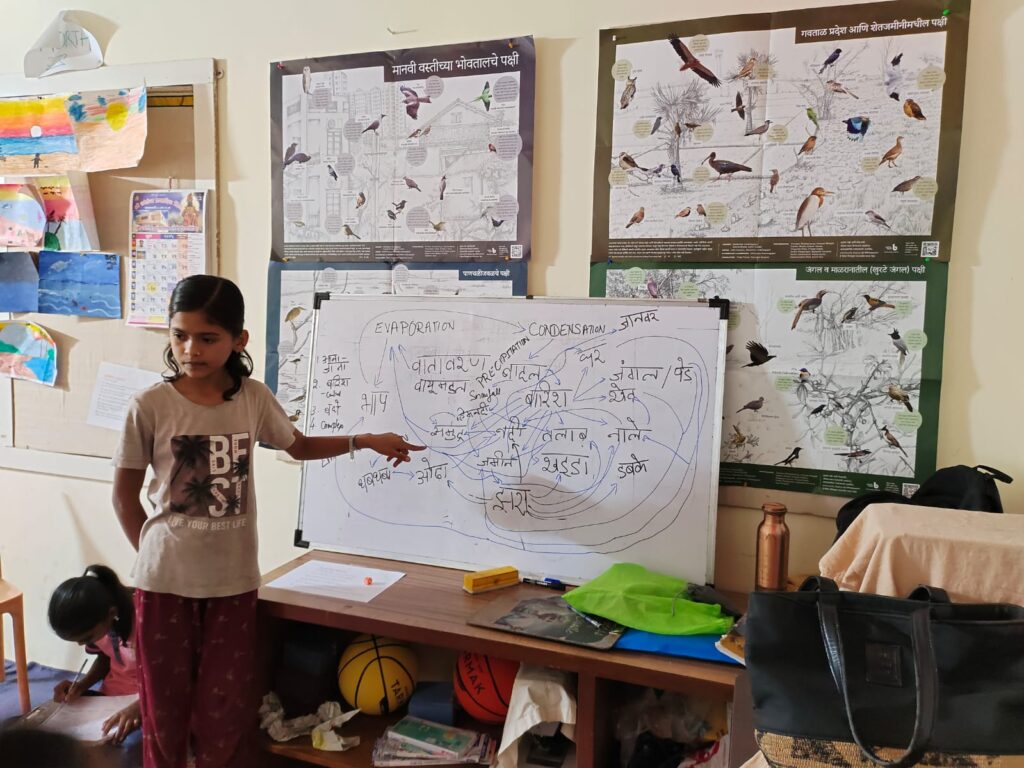
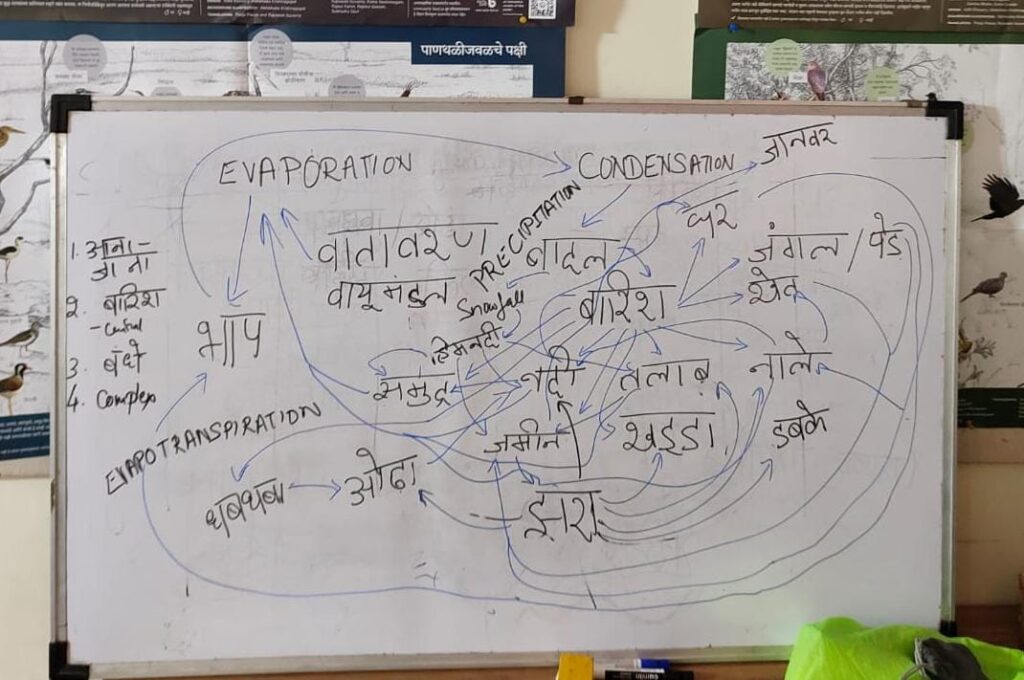
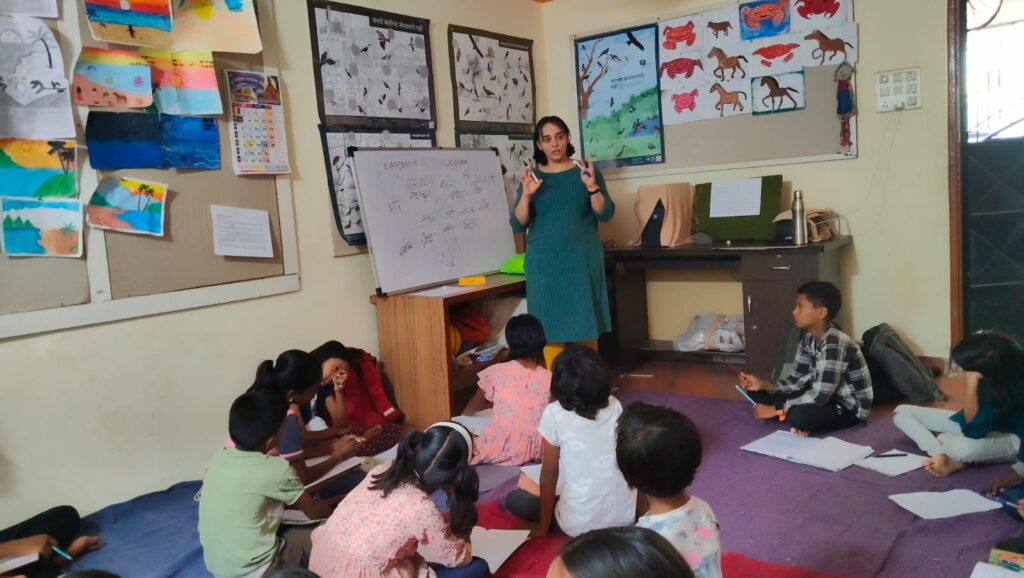
WATER : Cycles and Conservation : Taught by Dr Chhavi Mathur, IISER
Over three sessions, students explored the water cycle through systems thinking, art, group work, and hands-on activities. They mapped how water moves through their surroundings and began asking deeper questions—like where road water goes. The sessions were facilitated by Dr. Chhavi Mathur, Founder of Curious About Water.
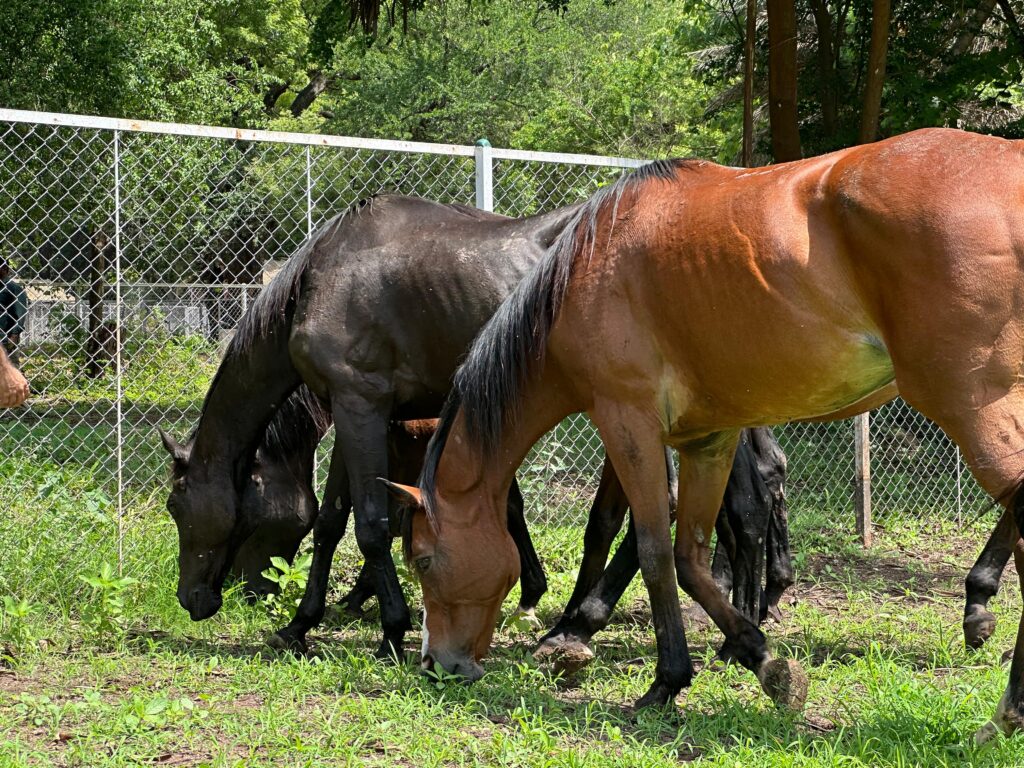
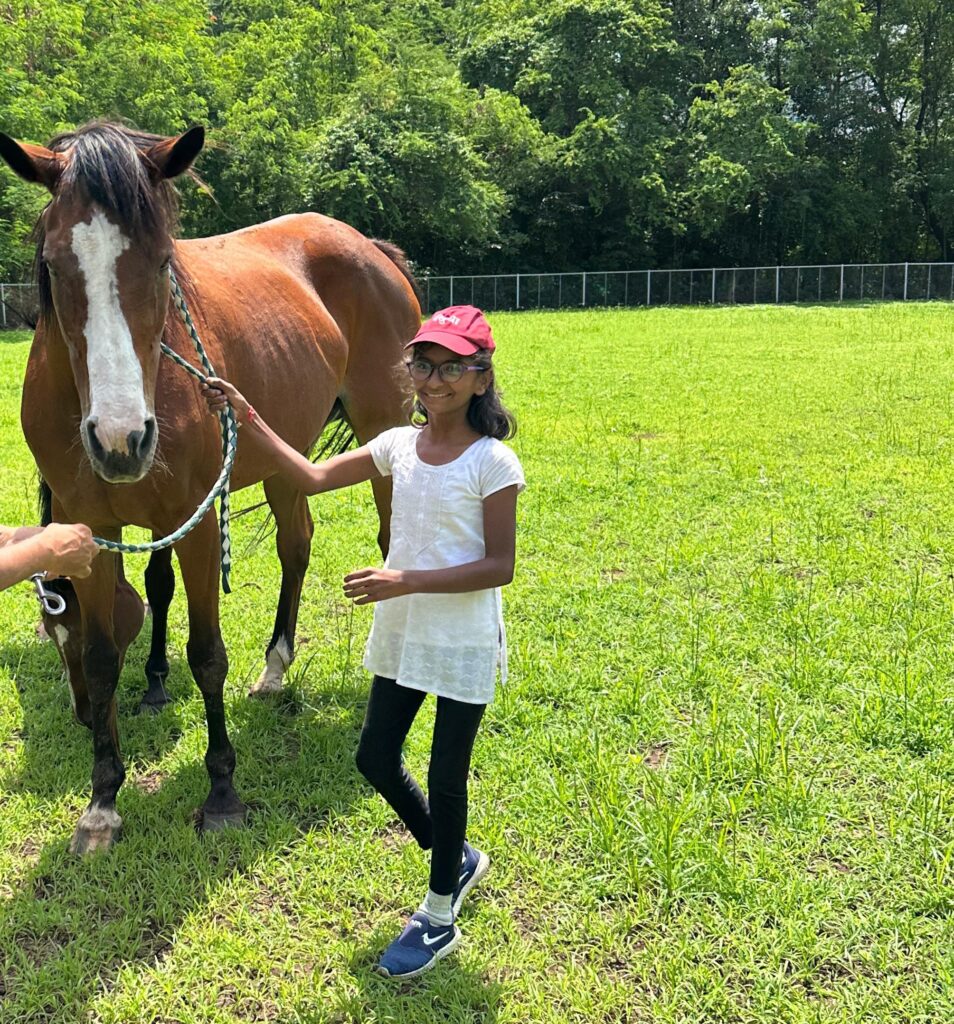
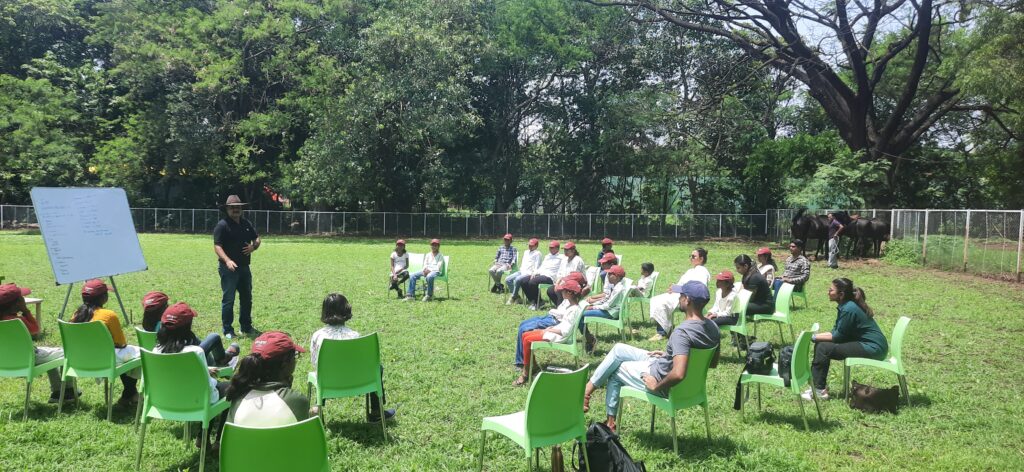
HORSES : Self awareness in interaction with horses: The Horseman Way, Gaurav Rampal
In the interaction with larger mammals children may experience a mixture of emotions such as fear apprehension or awe. Gauram Rampal of the HOrseman Way led a session with the horses at the Yerawada stud farm in Pune where the children had the opportunity to closely interact with the horses in a safe environment. Learning how to communicate verbally and non verbally, experiencing the power of the horse and the emotions that arise within themselves was the highlight of this event. The children were asked to lead the horses in a short walk and recognise how the horse responded to their own inner states.
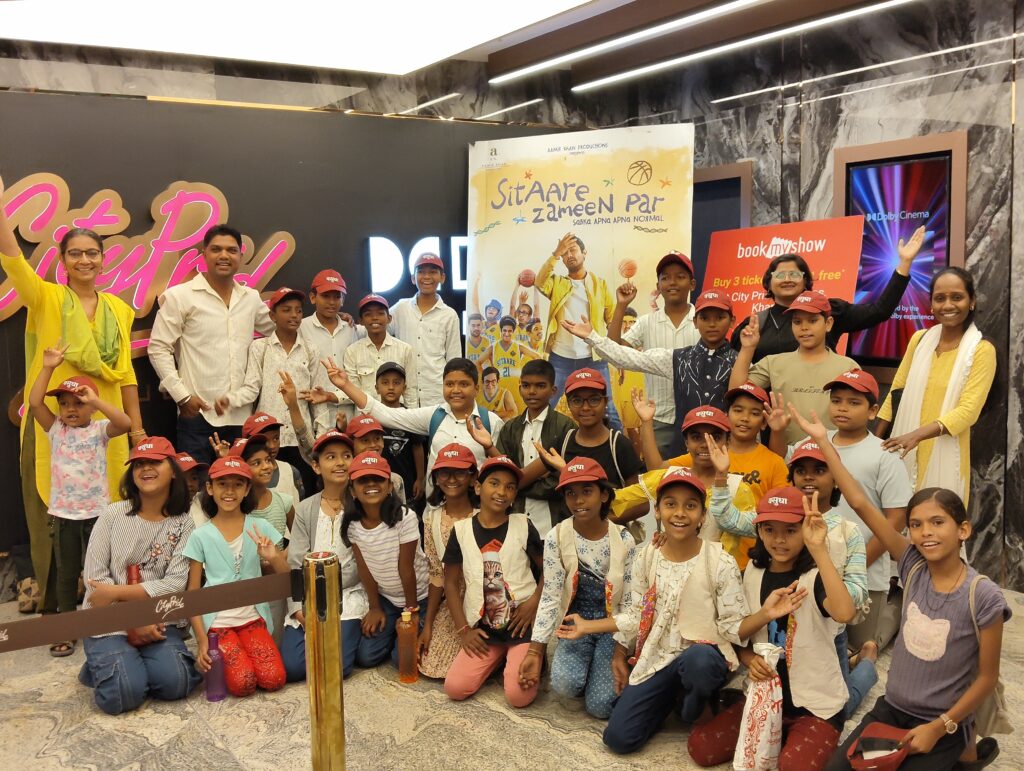
DISABILITY AWARENESS : Sitaare Zamein Par
To sensitise children to the need for incusion and disability awareness, we took them to watch the feature film Sitaare Zamein Par by Aaamir Khan on the topic. In a fun and entertaining way the kids understood that each one of us is unique – not less or more than the other. They laughed and cried and the film left a deep impression on them. It is our hope that gradually we can gather children with special needs in the village to also join us at the Vasudha sessions. The kids are aware of specials needs as they either have such children in their own families or in their neighbourhood .
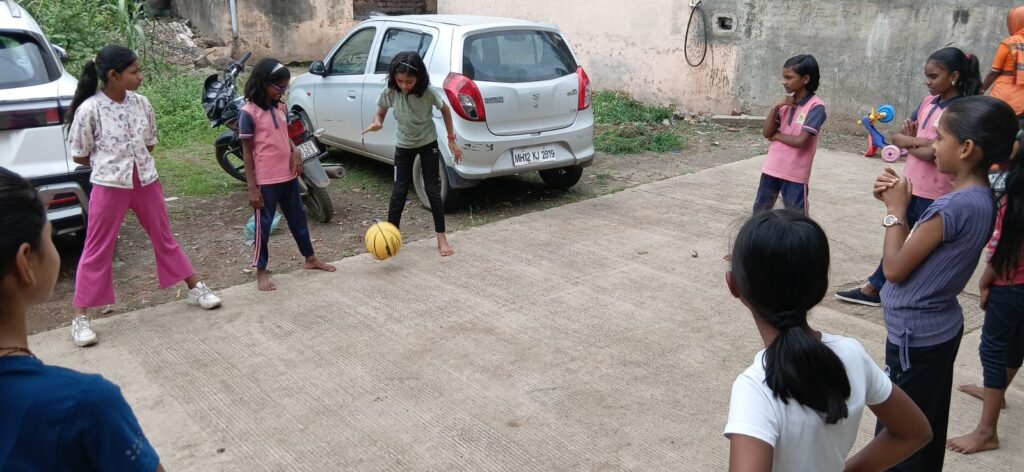
PLAY: Basketball
In the spirit of the film we had just seen, we bought them basketballs to start playing with and encouraged the girls to get as involved as the boys.
We are hoping to install a basketball hoop close to our class so that the children staying nearby can play whenever possible .
YOGA: Visit to Kaivalyadham Yoga Institute, Lonavala
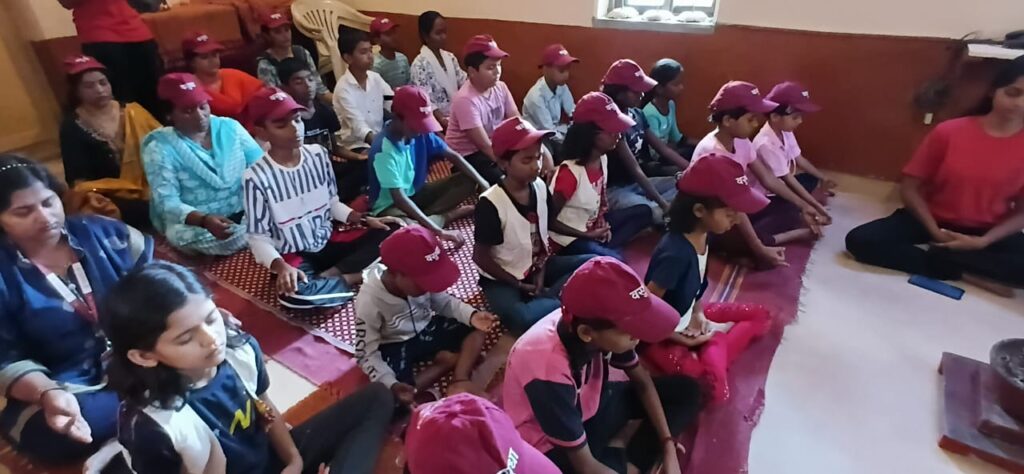
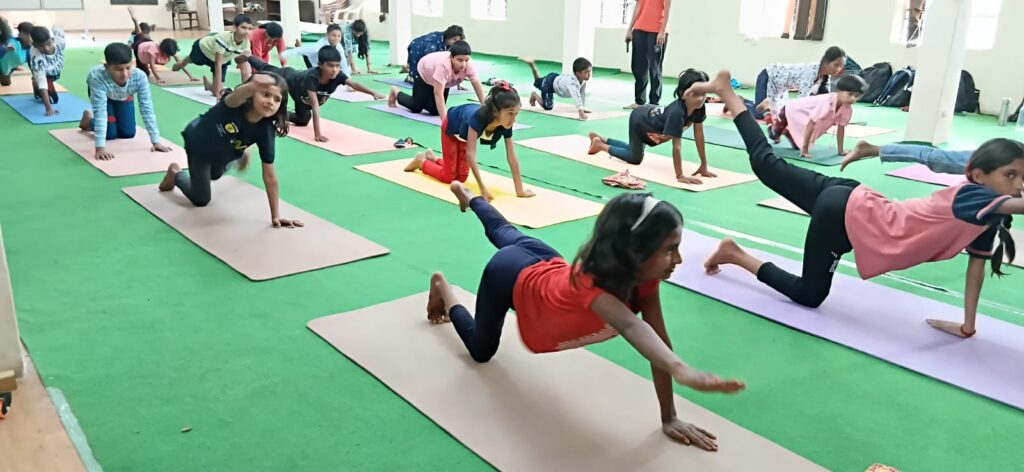
As physical fitness is an integral part of the childs development we organised a visit to the Kaivalyadham Yoga Institute for the children of VASUDHA. Here they were introduced to the basics of yoga , to the legacy of Sw Kuvalyananda and to the importance of meditation.
CRAFT : Making rakhis
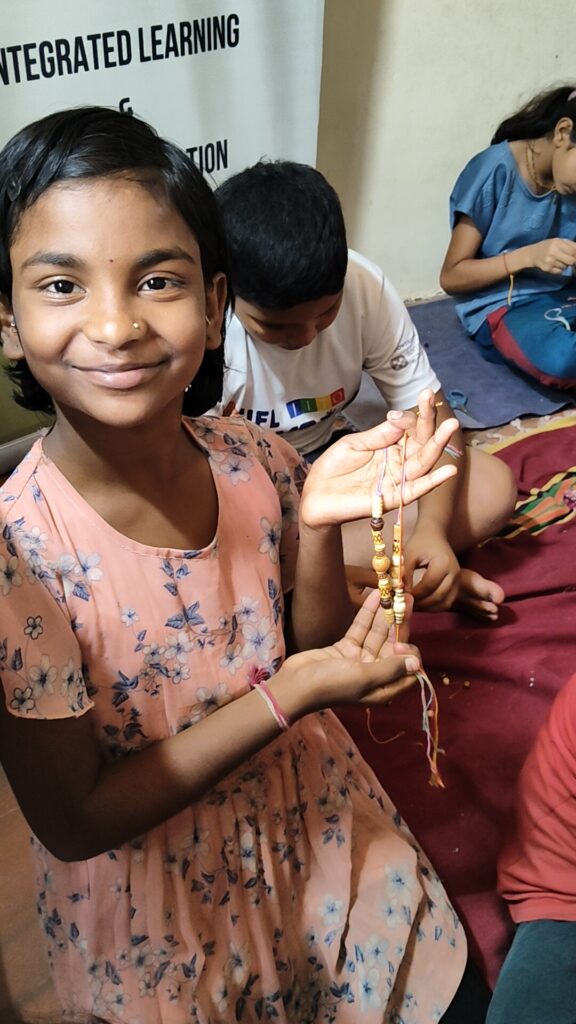
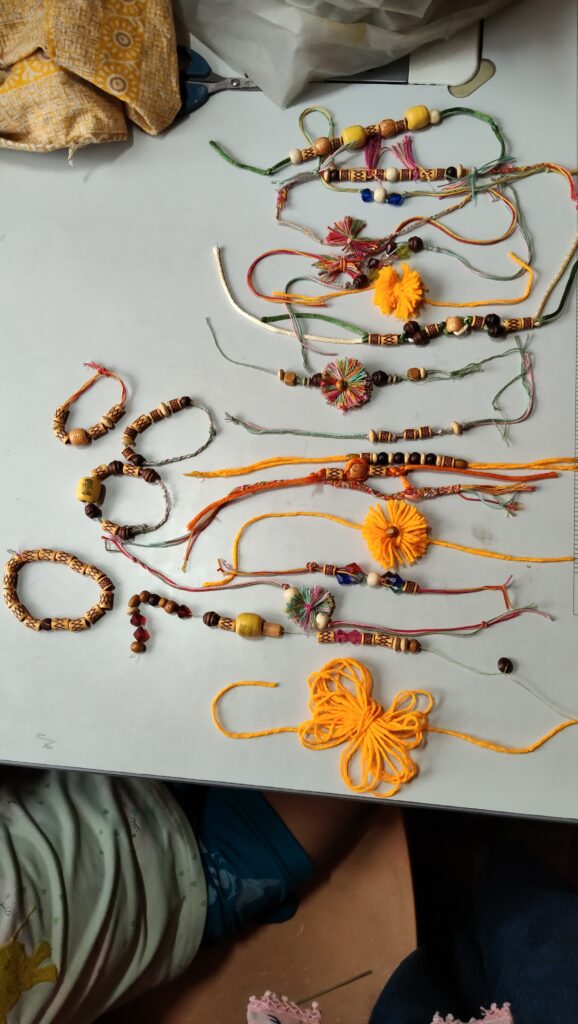
Festivals provide opportunities for the children to practise their creativity by making things used in the ritual. For Rakshabandhan , we spent time with them making rakhis – in any such handicraft actiivity discussions ensue about materials and their lifespans. The pros and cons of using wooden beards rather than plastics, the materials threads are made of etc. By making these products with their own hands the children come to appreciate the labour involved and hence are able to valeu them more.
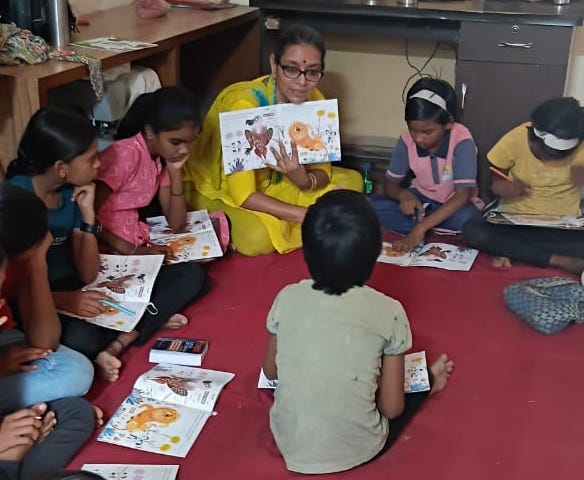
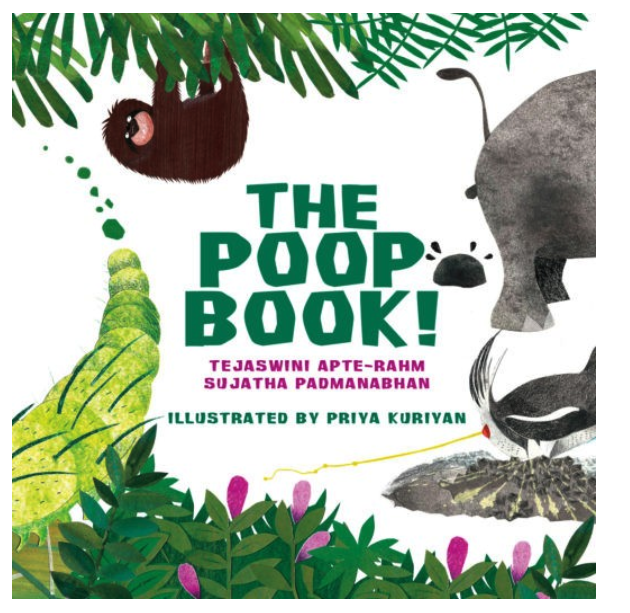
SPOKEN ENGLISH : The POOP Book
The POOP Book is a delightful story book by the Kalpavriksh Environment Action Group that was read with the children to appreciate the role faeces plays in the ecosystem and how different animals use it to mark territory, to deflect insects and to mark scents.
Story telling is a way to introduce spoken English in a fun activity.
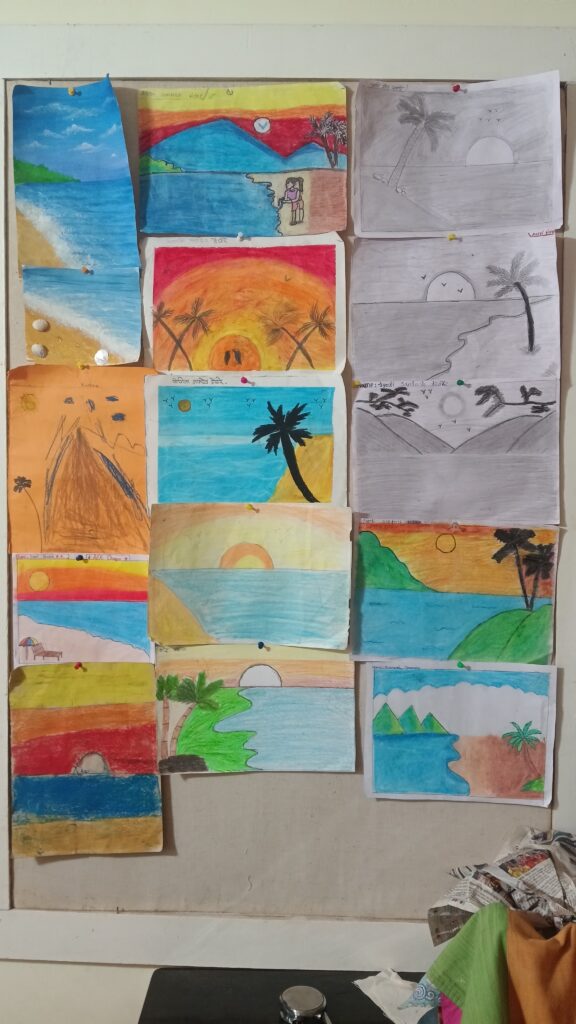
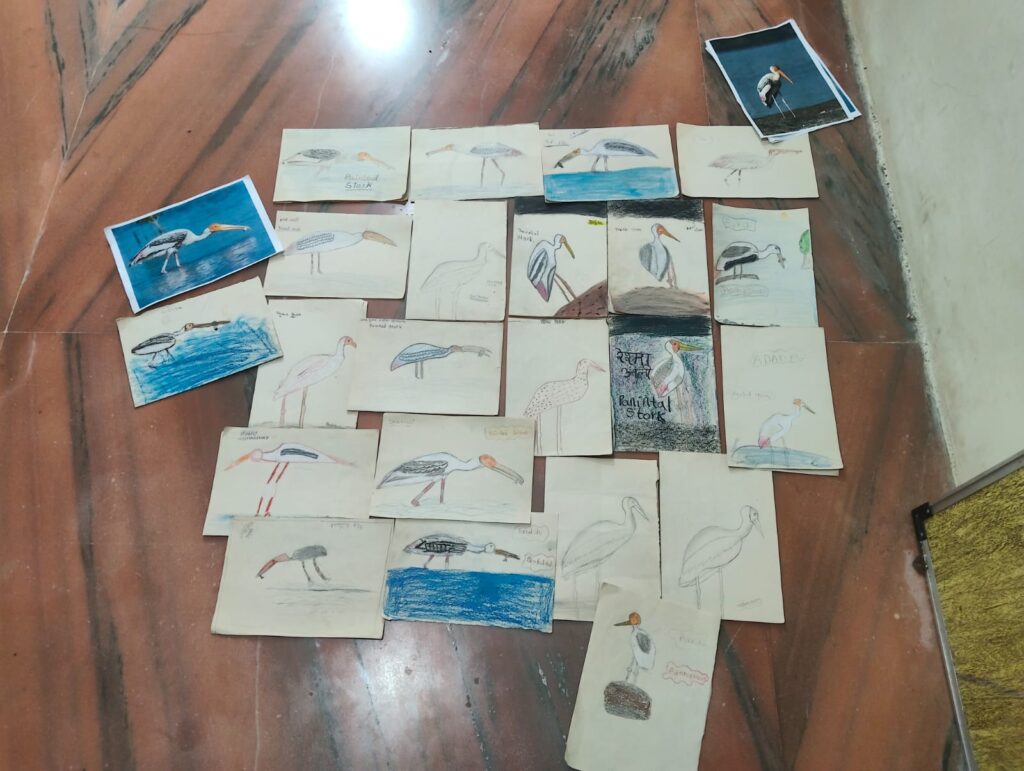
ART : Drawing Nature
SOIL : Importance of soil and conservation
SOIL as an element was introduced to the children through various sessions as follows:
SOIL – Introduction
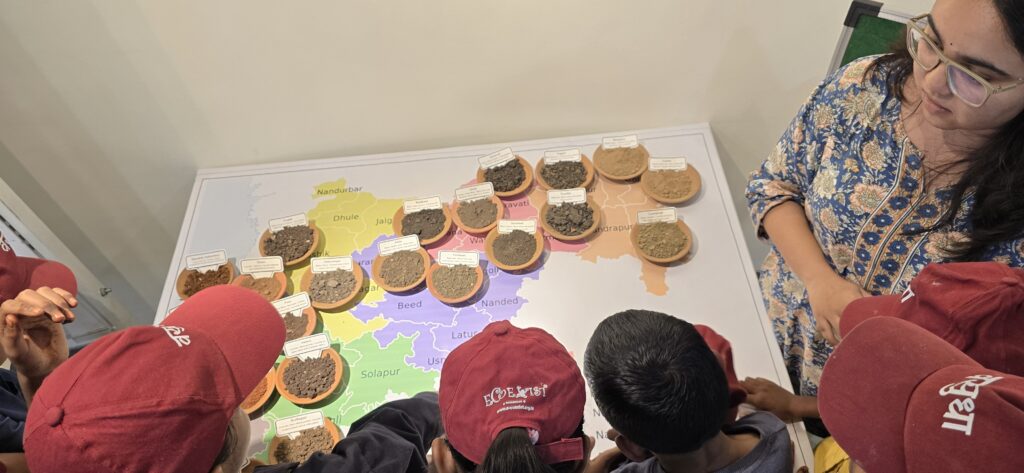
SOIL – Types of soils
SOIL – Concept of Biodegradability
SOIL Exhibition at RRBCEA
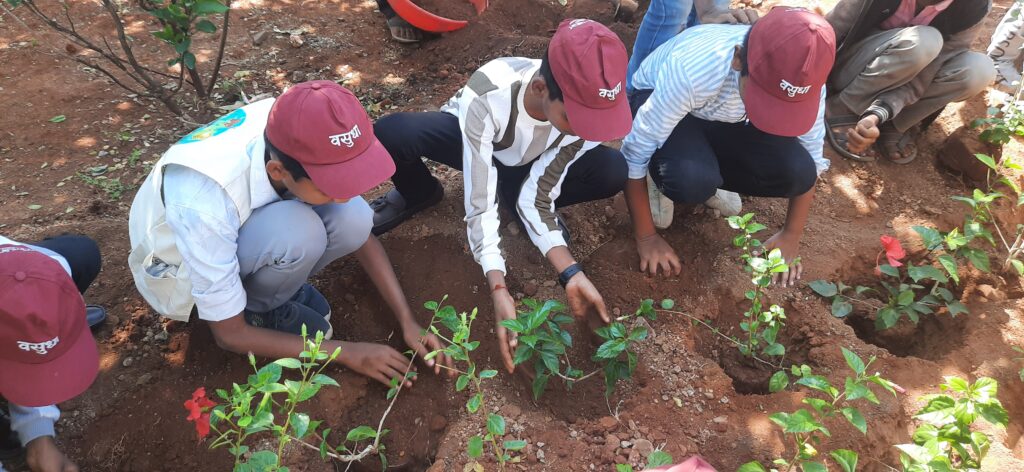
SOIL – Introduction to composting
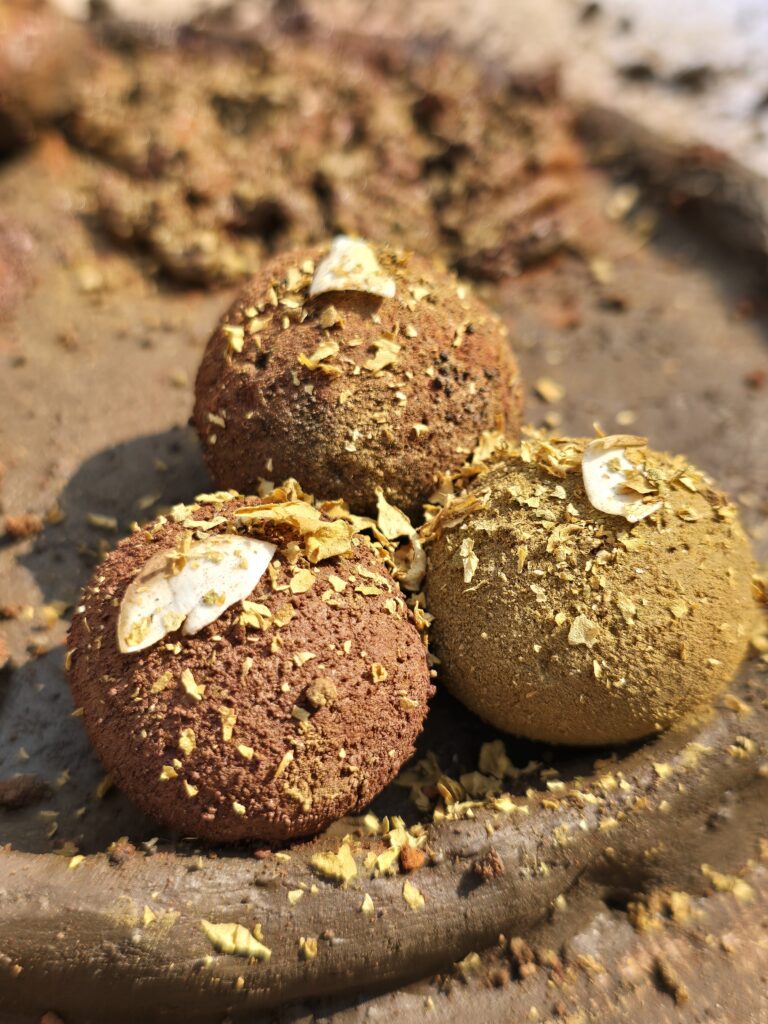
The session at RRBCEA including fun activities such as sculpting various food items out of soils so that the children have a tactile experience of playing with muds. See the laddoos they made using soils and seeds only !!
HANDICRAFT: Visit to Dastakari Haat Exhibition
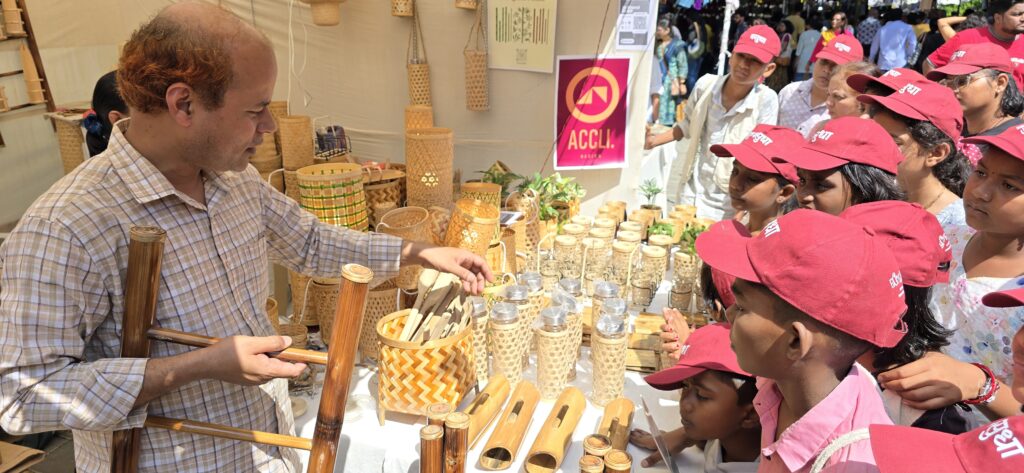
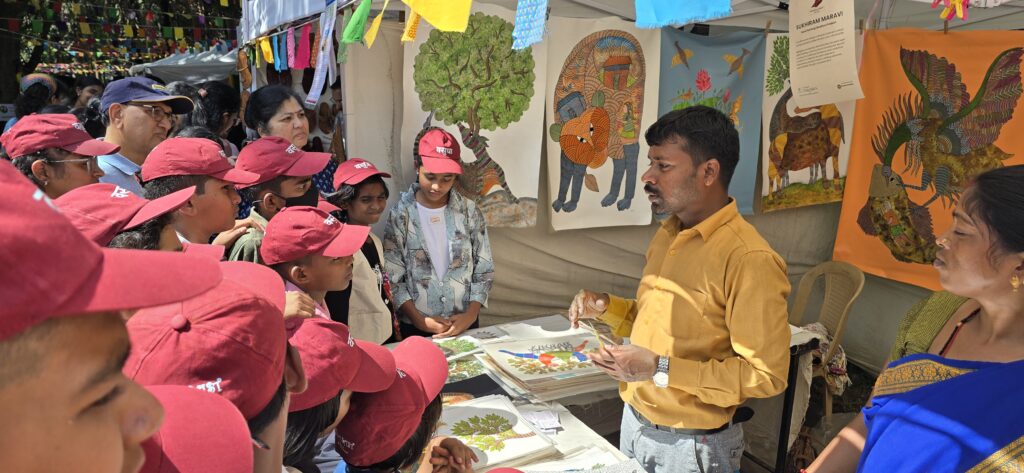
In Year 3 we are planning to introduce the children to hand work where they will see how sustainable crafts and enterprises can create income without damaging the natural environment. As a preparation for this we took them to visit the Dastakaari Haat Exhibition in Pune, where they were able to see and study a wide range of handicraft and interact with the artisans. This gave them a glimpse into alternative career options, into the beauty of arts and crafts and also understanding of how natural materials can fulfill many human functions.
INSECT WALK: Visit to Maharashtriya Mandal Nature Education
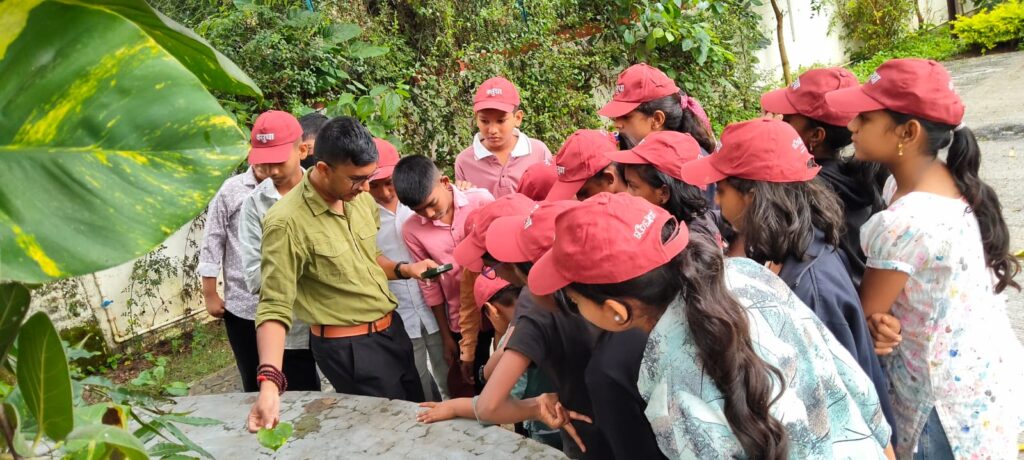
Led by insect expert Varad Bansod, the children took a walk in the morning to look for and study insects at the campus of the Maharashtriya Mandal Nature Education organisation. They saw a variety of insects from ants, to butterflies, caterpillars, wasps, bees and spiders. They understood the basic anatomy of the insect family. And learned to use basic entomology tools such as magnifying glasses. They were told about the immense diversity and subsets within each species. They learned about food habits, prey – predator and how insects build shelters.
BIODIVERSITY: Visit to RAHAL Forest
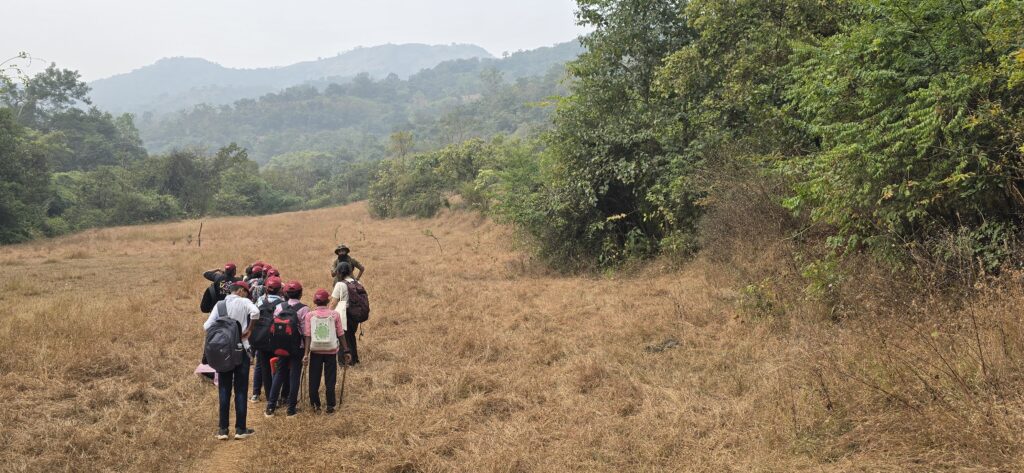
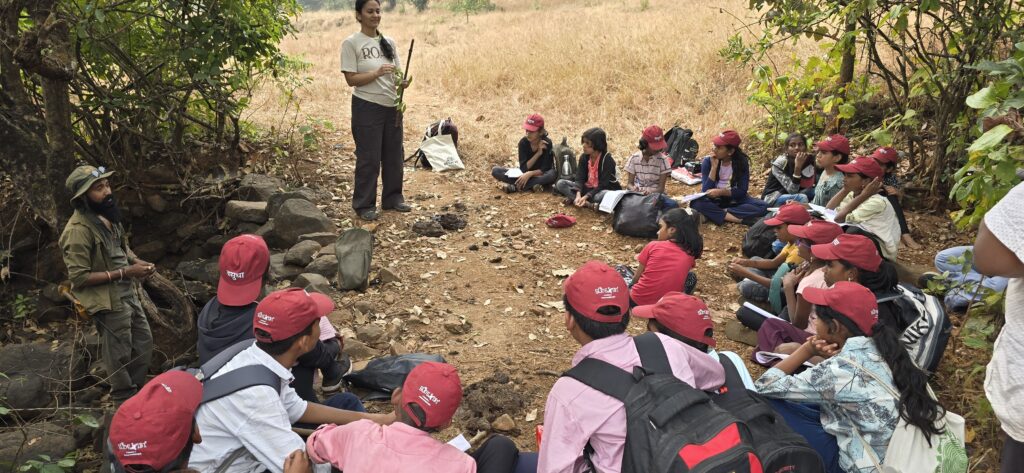
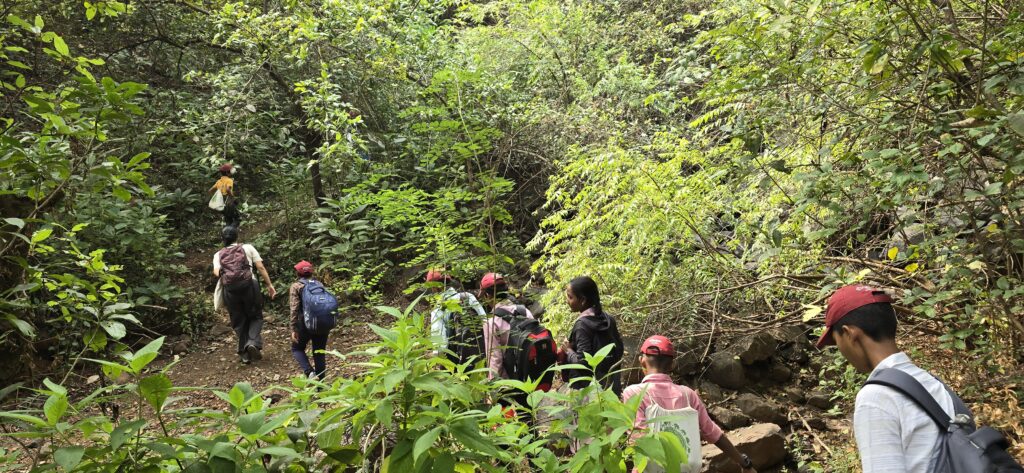
Continuing their study of biodiversity and ecosystems we took the children to visit the Rahal forest which is being restored and conserved by the Adhiwas Foundation at Shirkoli near the Panshet catchment. The children were able to see a forest ecsystem and were introduced to several species of trees. They were told about the difference between trees, creepers, bushes etc. The WEB OF LIFE game was played for them to see the interconnection between all life forms, and a demonstration of soil erosion explained to them how forests help conserve soil and water. They heard several bird calls and saw a Changeable Hawk Eagle perched from afar. They also saw a Cat snake up close and were explained its behaviour . They saw how a thatch hut can be constructed using only local materials.
WASTE MANAGEMENT : Food waste to compost: Session by Poornam Ecovision
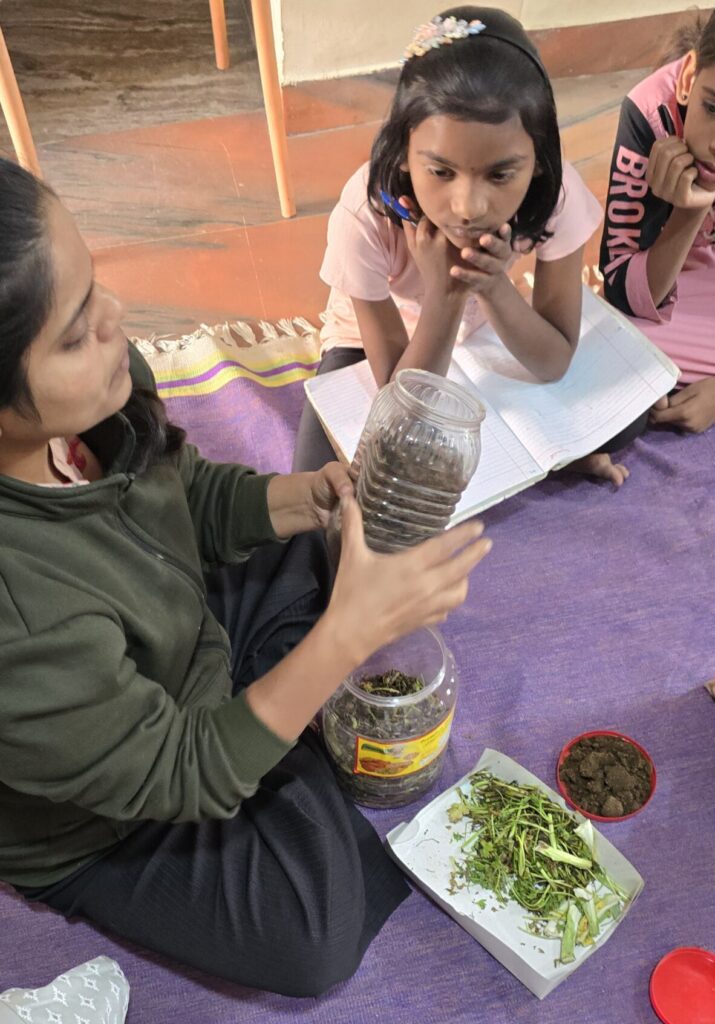
Dakshata Parab from the Poornam Ecovision team, led a hands on session on how to make compost from food waste in a small jar at home. Starting with layers of coconut husk, ready compost, soil and topped with food waste she covered it with a little more soil. She spoke about how microbes multiply with the culture of the ready compost and explained the dos and donts of compost making at home. She introduced the children to aspects of composting such as fungus and smell.
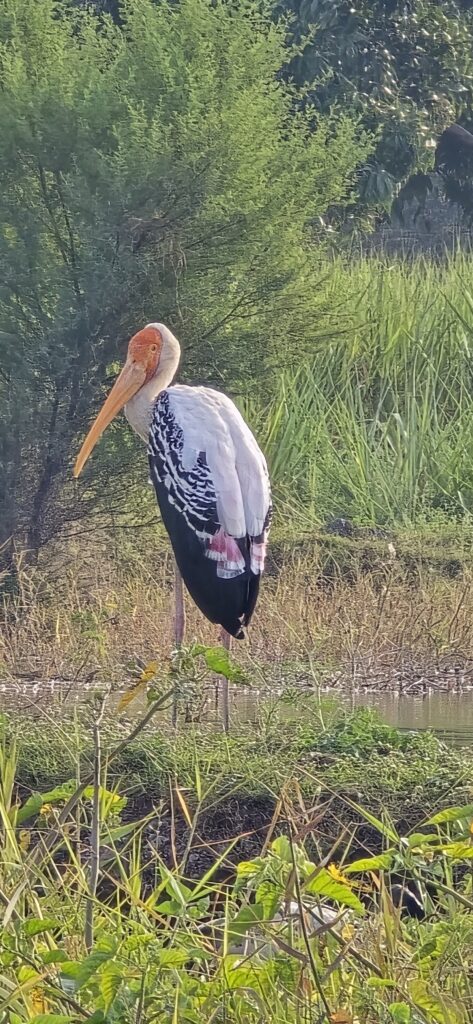
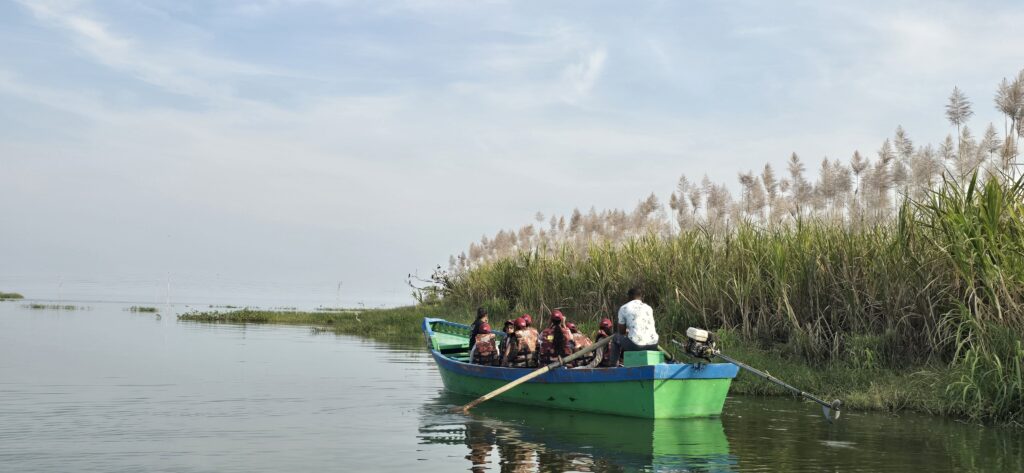
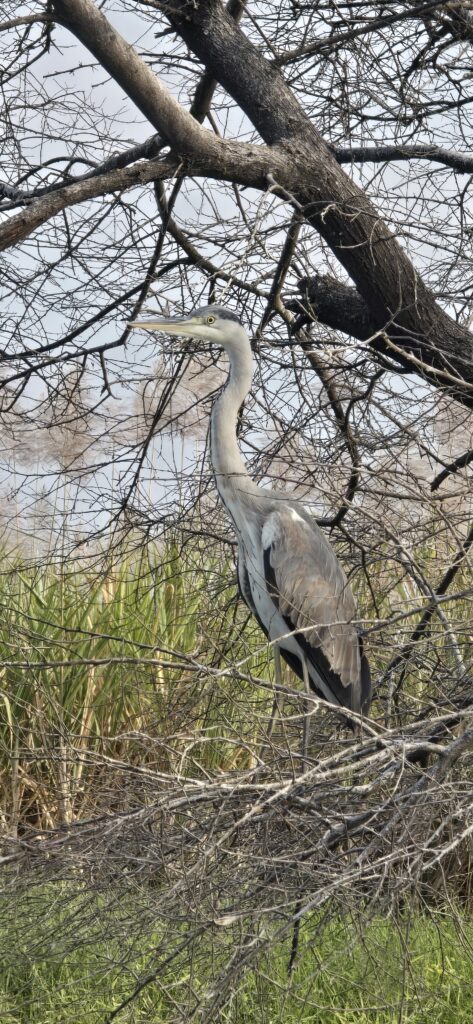
BIRD WATCHING : Migratory birds at Bhigwan
To onserve the death anniversary of Mahatma Gandhi, we took the children to the vinoba Janmasthan ashram in Gagode to offer shram seva and help the community there to harvest turmeric. In a span of two hours the group harvested enarly 100 kg of turmeric tubers. The activity taught them about the turmeric plant and gave them a sensory experience of harvesting it by hand.
The day was further enriched with storytelling sessions about Vinoba Bhave and his vision of Sarvodaya, or universal uplift. Listening to tales of Bhave’s dedication to social justice and non-violence, the children were deeply inspired. They learned about his transformative initiatives, such as the Bhoodan movement, which aimed at achieving social equity and economic justice. This visit provided the children with valuable lessons in community service, sustainable living, and the importance of striving for social equity.
AGRICULTURE : Turmeric harvest at Vinoba Bhave Janmasthan , Gagode
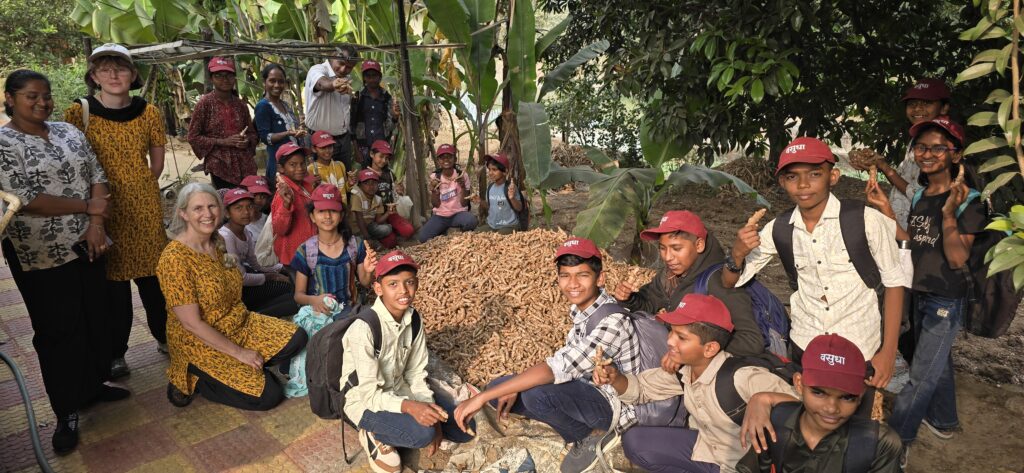
To onserve the death anniversary of Mahatma Gandhi, we took the children to the vinoba Janmasthan ashram in Gagode to offer shram seva and help the community there to harvest turmeric. In a span of two hours the group harvested enarly 100 kg of turmeric tubers. The activity taught them about the turmeric plant and gave them a sensory experience of harvesting it by hand.
The day was further enriched with storytelling sessions about Vinoba Bhave and his vision of Sarvodaya, or universal uplift. Listening to tales of Bhave’s dedication to social justice and non-violence, the children were deeply inspired. They learned about his transformative initiatives, such as the Bhoodan movement, which aimed at achieving social equity and economic justice. This visit provided the children with valuable lessons in community service, sustainable living, and the importance of striving for social equity.
JOIN US
We need help to continue our work. Volunteers, sponsors, books (from Kalpavriksh), nature toys, and musicians are all welcome. Our VASUDHA club is growing, and we currently have 30 kids participating in two villages of Awhalwadi and Wagholi. Together, we can inspire the next generation to love, respect, and protect our planet.